
For a long time, wallpaper was considered a relic from Grandma’s living room, but in recent years it has been experiencing an impressive revival. Modern materials, unusual designs, and intriguing textures are making it a popular design element once again. Interior designer Stefanie Winter shares what matters most when it comes to selection, installation, and design.
In the 1960s and 1970s, wallpaper was a standard feature in many apartments and houses. After coming to be seen as old-fashioned, it is now making a major comeback. This is thanks to modern materials, high-quality finishes, and contemporary designs that bear little resemblance to the patterns of past decades.
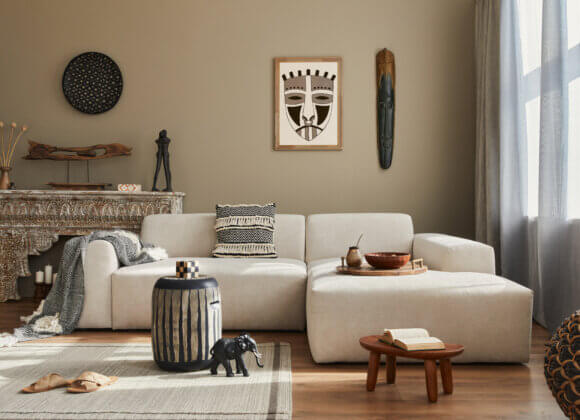
“That heavy, old-fashioned feel—it’s simply no longer there,” explains Stefanie Winter, who runs “S.tefanie. interior.studio,” a premium interior design studio in Graz. “Today’s wallpapers have become much lighter, more modern, and more personalized.” Textured surfaces with a linen, clay, or mineral look—which lend rooms depth and warmth—are particularly in demand.
Which wallpaper is the right one?
Choosing the right wallpaper depends above all on the residents’ personalities and their desired interior style. Those who are bold and eager to experiment can opt for eye-catching patterns. Those who want to approach the topic gradually are well advised to choose subtle geometric patterns or soft color gradients. “If I’m an extrovert, I’ll always go for something more eye-catching,” says Winter. “Those who want to start cautiously should opt for subtle shapes and patterns.”
What are the differences between types of wallpaper?
Generally speaking, a distinction is made between the following types:
Non-woven wallpaper
Non-woven wallpaper is particularly popular today. It is durable, easy to hang, and can usually be removed later without leaving any residue. “To me, non-woven wallpapers are the most contemporary and appealing. They have more depth and are easy to remove,” says Winter.
Paper Wallpaper
Paper wallpaper is the most affordable option, one we’re familiar with from the 1970s. It requires soaking time and good wallpapering skills; it’s also more sensitive to moisture and creases. Another drawback: it’s very difficult to remove.
Vinyl Wallpaper
Vinyl wallpaper is particularly durable and water-resistant, making it well-suited for high-traffic rooms.
Photo Wallpaper
Photo wall murals create striking visual effects and can completely transform a room. However, they are a matter of personal taste and should be used thoughtfully.
Which wallpaper is best for the kitchen, bathroom, living room, or bedroom?
In the living room and bedroom, textured nonwoven wallpaper creates a cozy atmosphere and a high-end look. Special water-resistant wallpaper is suitable for wet areas.
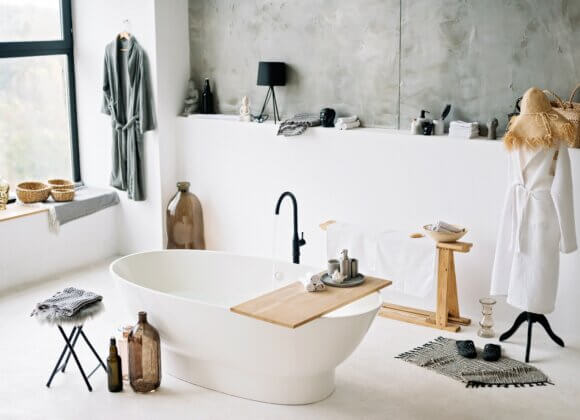
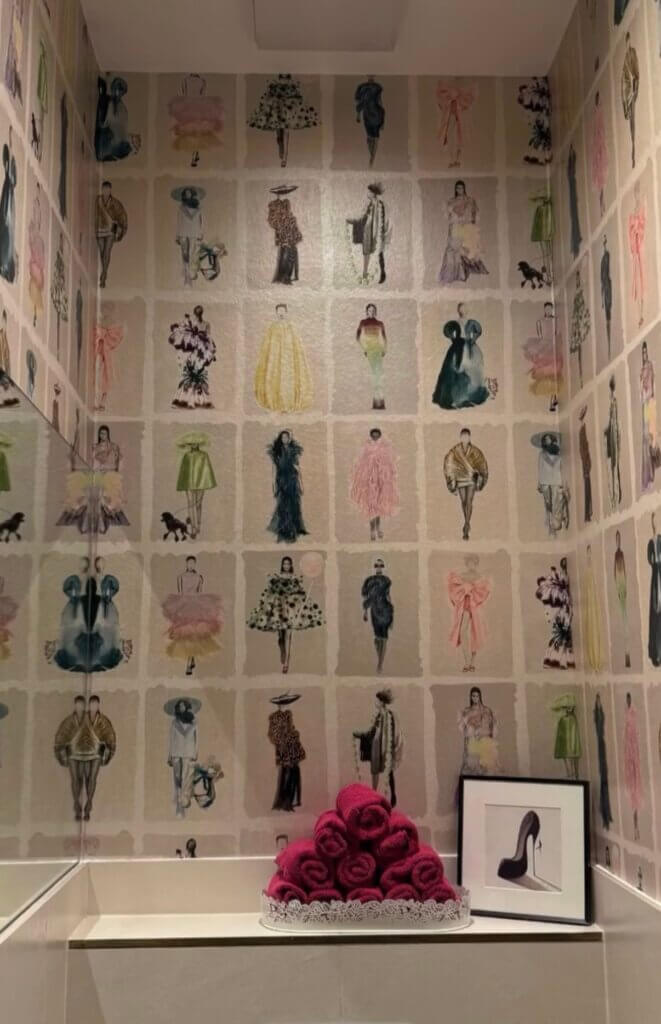
Stefanie Winter particularly likes to use wallpaper in the guest bathroom: “For me, the bathroom is definitely a room for wallpaper. There, you can be bold and experiment with eye-catching patterns. And the bathroom is perfect, especially for people who are just starting to explore the world of wallpaper.”
What wallpaper styles are currently in fashion?
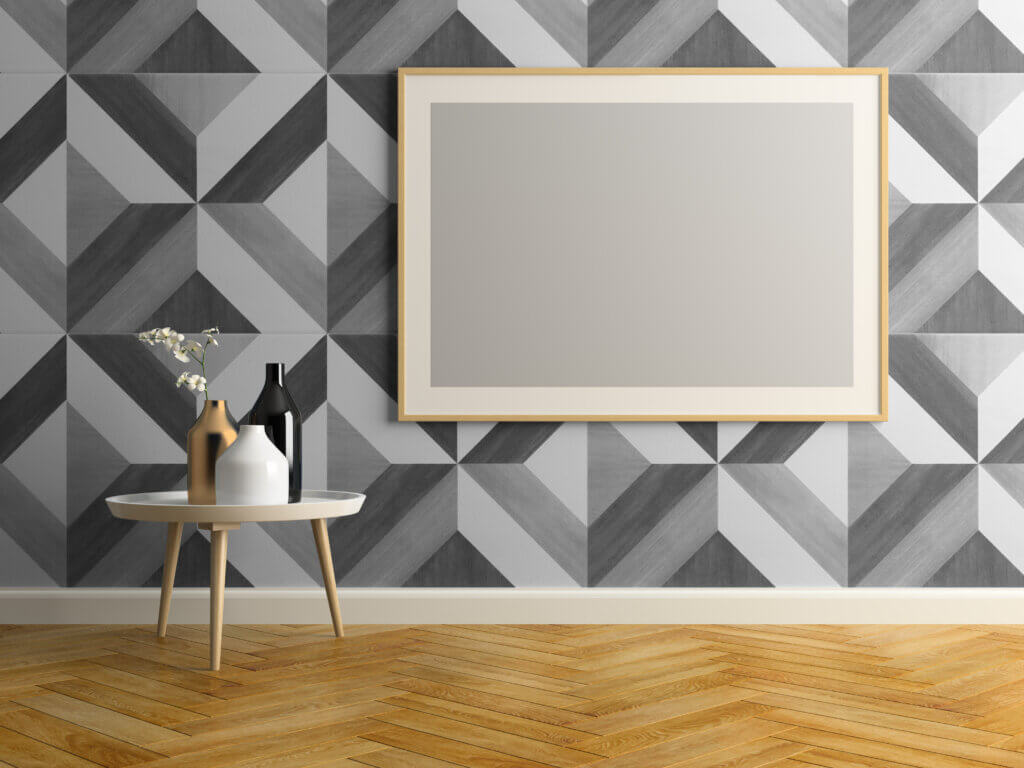
Currently, natural textures, linen and clay-effect finishes, floral patterns, subtle geometric designs, and high-quality textured wallpapers are in style. Designs that create depth and make rooms feel cozier are particularly in demand.
Which wallpaper goes well with my interior design style?
Wallpaper should always be part of an overall design concept. Colors and patterns should be repeated throughout the room—for example, on pillows, blankets, vases, or curtains. “Wallpaper should never stand alone. I always bring colors back into the room,” explains Winter. Her tip: “Pick out a color from the wallpaper and paint the ceiling that color.” This tip also works the other way around—for example, you can wallpaper the ceiling in the hallway and paint the walls a color that’s also found in the wallpaper.
Which colors, patterns, or designs make rooms appear larger, brighter, or cozier?
Light colors and subtle patterns make rooms appear larger. Warm tones and textured surfaces, on the other hand, create a cozy and inviting atmosphere.
How do I use an accent wall effectively?
A single accent wall behind the sofa or bed can create a striking focal point. It looks especially harmonious when the colors are repeated elsewhere in the room.
How do I hang wallpaper correctly?
When hanging wallpaper, careful preparation and precise work are crucial. “Especially with patterned wallpaper, you have to make sure the patterns line up exactly,” says Winter.
How do I prepare the wall for wallpaper?
The wall should be dry, clean, sturdy, and as smooth as possible. Old paste residue, loose layers of paint, and uneven areas should be removed or repaired before wallpapering.
What kind of paste do I need for wallpapering?
The type of paste depends on the type of wallpaper. There are special pastes for non-woven wallpaper, while paper wallpaper usually requires traditional wallpaper paste.
Can I put new wallpaper over existing wallpaper?
In principle, this is possible, but experts generally do not recommend it. A stable, smooth surface ensures significantly better results.
How many rolls of wallpaper do I need?
The amount needed depends on the ceiling height, wall area, and pattern repeat. “When using patterned wallpaper, you should always allow for enough extra,” explains Winter.
How do I calculate how much wallpaper I need?
First, measure the width and height of the wall you want to wallpaper. This will determine the number of strips you’ll need. Stefanie Winter recommends calculating generously: “With many wallpapers, the pattern repeats roughly every 70 centimeters. You have to take this repeat into account when calculating. It’s usually printed on the wallpaper roll.” Tip: Add at least one repeat to the wall height to be on the safe side.
What are the dimensions of wallpaper rolls and strips?
Standard rolls are usually 53 centimeters wide and about 10 meters long. However, there are also special sizes and custom-made versions.
How do I clean wallpaper?
Cleaning options depend on the material. Many modern nonwoven and vinyl wallpapers can be gently cleaned with a damp cloth. Paper wallpapers are at a significant disadvantage here—they cannot be cleaned.
Can you paint or repaint wallpaper?
Some types of wallpaper can be painted over without any problems. Wood-grain wallpaper and certain types of non-woven wallpaper are particularly well-suited for this.
One final tip: According to Stefanie Winter, if you’re working with wallpaper for the first time, you shouldn’t go ahead and decorate your entire living room right away. Her advice: “Start with the bathroom and see if you even like wallpaper. After that, you can venture into larger rooms.”
Our expert

For this Graz native, home is the visible expression of our personality. She designs spaces that bring clarity, tell stories, and help people feel truly at home. With a keen sense of color, materials, and atmosphere, she transforms houses and apartments into favorite places full of character.
Website: www.stefanie.studio
Instagram: @s.tefanie.interior.studio
Related posts:
Why the hallway deserves our attention
Wall Relief – Why 3D Wood Paneling Is Redefining Walls
Natural Wall Paints for Your Home