Kohlrabi Recipes: Versatile, Healthy, and Easy to Make
20. August 2026
4 Mins read
Mild, crisp, and surprisingly versatile: kohlrabi is one of the most popular summer vegetables in Austria. Whether eaten raw, cooked, or roasted—this round tuber impresses with its delicate flavor, abundance of vitamins, and countless ways to prepare it. We’ll share what matters most when it comes to shopping for, storing, and preparing it.
How do you prepare kohlrabi properly?
Before preparing kohlrabi, you should first remove the leaves—but don’t throw them away, because they’re edible too. Next, peel the bulb. Larger ones, in particular, have a slightly woody skin that should be removed thoroughly.
When eaten raw, kohlrabi has a pleasantly crisp texture and is perfect as a snack or in salads. When steamed, boiled, or roasted in the oven, it develops a subtle sweetness. It’s important not to overcook it—ten to 15 minutes is usually enough to keep it al dente.
What can you make with kohlrabi?
Kohlrabi is much more versatile than many people realize. It tastes just as good in a creamy soup as it does in vegetable stir-fries, casseroles, or risotto. Stuffed kohlrabi, crispy roasted vegetables, purées, or vegetable fries also turn out wonderfully with this mild root vegetable. Eaten raw in salads or as vegetable sticks with dip, it adds a fresh touch.
What does kohlrabi taste like, and what dishes does it go well with?
In terms of flavor, kohlrabi is slightly reminiscent of broccoli or cabbage, but it has a much milder taste and is also slightly sweet. Young tubers, in particular, are especially tender.
It pairs wonderfully with potatoes, carrots, asparagus, or peas, and goes just as well with fish, chicken, or pasta. Butter, nutmeg, lemon juice, Parmesan, and fresh herbs also bring out its delicate flavor.
Can you freeze kohlrabi?
Yes. It’s best to peel the kohlrabi, cut it into cubes or slices, and blanch it for two to three minutes. Then rinse it in ice water, let it dry thoroughly, and freeze it in portions. This way, it will keep for up to ten months and retain its color and flavor.
What do you do with kohlrabi leaves?
The leaves are far too good to throw away with the organic waste. They actually contain more vitamin C and beta-carotene than the root itself and can be used in much the same way as spinach. Finely chopped, they work well in soups, pestos, or vegetable fillings. Young leaves also taste great in salads or as an ingredient in green smoothies.
How long does kohlrabi last, and what’s the best way to store it?
Kohlrabi will keep for about a week in the crisper drawer of the refrigerator. The leaves should be removed as soon as possible after purchase, since they draw moisture from the bulb. It’s best to wrap kohlrabi loosely in a damp cloth or store it in the crisper drawer.
What vitamins and nutrients are found in kohlrabi?
With about 30 calories per 100 grams, kohlrabi is one of the lightest vegetables. At the same time, it’s a rich source of vitamin C, potassium, calcium, magnesium, folate, and dietary fiber. As a result, it supports the immune system, aids digestion, and keeps you feeling full for a long time.
What is the difference between white and purple kohlrabi?
The biggest difference lies in the skin. While white kohlrabi usually has a slightly milder flavor, the purple variety is considered slightly spicier. Inside, however, both varieties are light in color and tender. They can be used in exactly the same way in the kitchen.
When is kohlrabi in season in Austria?
In Austria, fresh, open-field kohlrabi is grown regionally from May through October. It tastes best during this time. Although kohlrabi is available almost year-round thanks to greenhouse-grown produce and stored stock, those who prefer to buy regionally and seasonally should purchase it during the summer months.
3 Kohlrabi Recipes to Try at Home
Recipe 1: Roasted Kohlrabi with Parmesan
Ingredients for 4 people
2 kohlrabi
2 tbsp olive oil
40 g Parmesan
Salt, pepper
a little thyme
Preparation
Peel the kohlrabi, cut it into wedges, and toss with olive oil, salt, pepper, and thyme. Spread the wedges on a baking sheet and roast at 200 degrees for about 30 minutes. Just before the end of the cooking time, sprinkle with Parmesan and broil until golden brown.
Recipe 2: Creamy Kohlrabi Soup
Ingredients
2 kohlrabi
1 onion
2 potatoes
700 ml vegetable stock
100 ml whipping cream
Butter
Nutmeg, salt, and pepper
Preparation
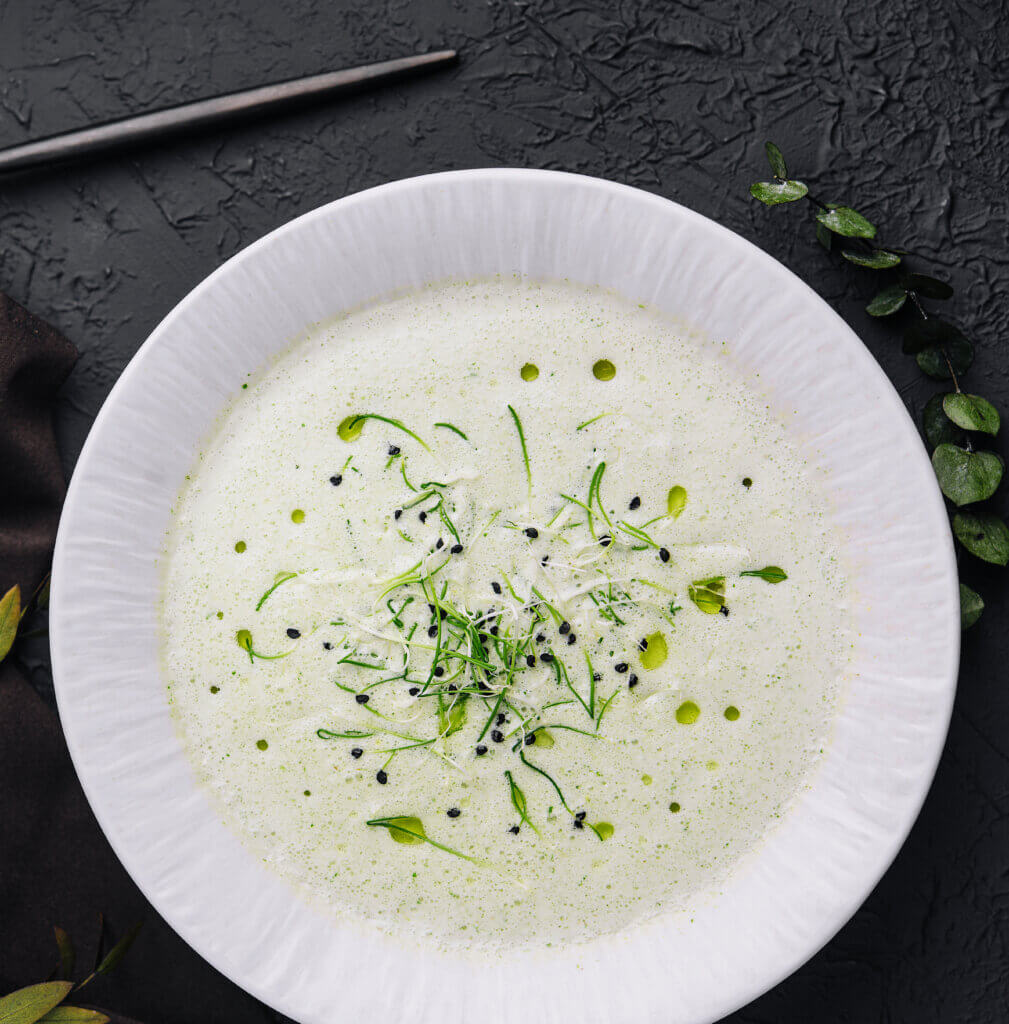
Sauté the onion in butter until translucent. Dice the potatoes and kohlrabi, sauté them briefly, and pour in the vegetable stock. Cook until tender, about 20 minutes, then purée and stir in whipped cream. Season to taste with nutmeg.
An all-season classic: cream of kohlrabi soup.
Recipe 3: Kohlrabi and Apple Salad with Walnuts
Ingredients
2 young kohlrabi
1 tart apple
Juice of half a lemon
2 tablespoons plain yogurt
1 tablespoon sour cream
1 tsp honey
Chives
Walnuts
Preparation
Finely grate the kohlrabi and apple and mix with lemon juice. Stir together the yogurt, sour cream, and honey, fold into the mixture, and sprinkle with chives and chopped walnuts.
Not everyone is happy about the falling leaves; for some, they’re just a chore. Yet leaves in the garden are a real treasure that’s worth gathering in the fall. Why are leaves important? Leaves are definitely not waste; rather, they are extremely valuable. They provide nutrients that improve soil quality, protect the soil from temperature …
Hardly any other vegetable is as synonymous with fall as pumpkin. It can taste creamy, nutty, sweet, or spicy; it works just as well roasted in the oven as it does in a curry—and it even makes a surprisingly good addition to cakes. Which varieties are best for what, when you can eat the skin, …
For many people, a good cup of coffee in the morning has long been a ritual. So why hide the machine, beans, and cups somewhere between the toaster and the paper towel roll? A coffee bar brings together everything you need for espresso, cappuccino, and other drinks in one place—and can even become a little …
SIE WOLLENNICHTSMEHR VERPASSEN?
Unser kostenloser Newsletter liefert Ihnen wöchentlich die neuesten Artikel rund ums Wohnen & Leben.
SIE WOLLENNICHTSMEHR VERPASSEN?
Unser kostenloser Newsletter liefert Ihnen wöchentlich die neuesten Artikel rund ums Wohnen & Leben.
SIE WOLLEN
NICHTS MEHR VERPASSEN?
Unser kostenloser Newsletter liefert Ihnen wöchentlich die neuesten Artikel rund ums Wohnen & Leben.