
Do you feel chilly even in well-heated rooms? And can’t you warm up even under a cozy blanket? Of course, feeling cold on the inside could be a sign of an oncoming cold, but it might also be related to your diet. Both traditional Chinese medicine and Indian Ayurveda attribute thermal effects to certain foods. And even our grandparents loved to serve hearty stews and soups in the winter. In this article, you’ll learn the most important things about warming foods for winter.
What should you eat in cold weather to avoid getting chilled?
According to TCM, to prevent your body from getting cold—and becoming further weakened as a result—you should opt for warming foods in the winter. These foods should also be eaten warm. The longer and hotter a dish has been cooked, the more it warms the body. So cross salads and sandwiches off your menu and turn on the oven.
What are some foods that warm you up?
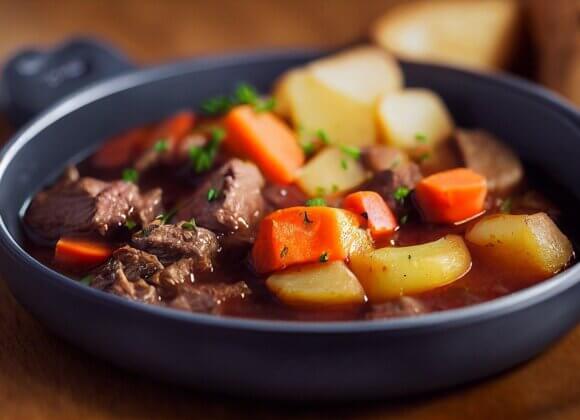
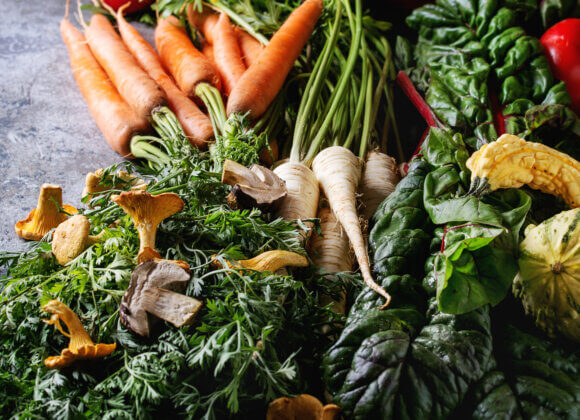
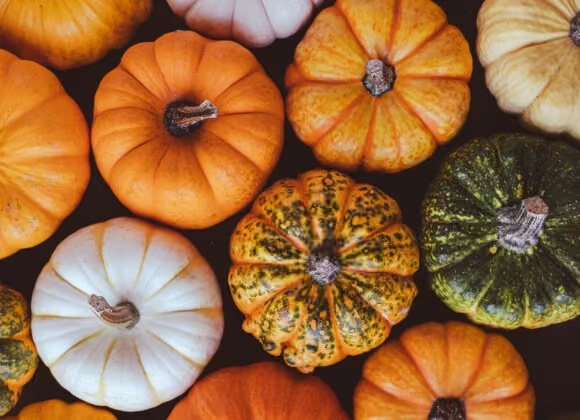
According to TCM, the list of foods that warm the body from the inside is long: In addition to red meats such as lamb, beef, and game, it includes long-grain rice, millet, egg yolks, and nuts, as well as grains and legumes like beans, peas, lentils, and chickpeas. Of course, there are also vegetables that provide a comforting warmth, including: These include vegetables such as squash, carrots, cabbage, Brussels sprouts, cauliflower, beets, bell peppers, sweet potatoes, onions, leeks, garlic, and fennel.
Like food, tea and coffee can also help boost your body’s internal heat. If you enjoy sipping a cup of tea, you should opt for oolong, black, Pu-erh, or rooibos tea—perhaps flavored with vanilla, cinnamon, cloves, or cardamom—as well as chai. For herbal tea lovers, on the other hand, herbs such as chamomile, sage, thyme, or linden blossoms are highly recommended.
Which spices have a warming effect?
There’s also a wide selection of warming spices: In addition to classics like chili, ginger, black pepper, and horseradish, cumin, caraway, rosemary, thyme, cinnamon, anise, cloves, and curry are also known for their warming properties.
Which fruits are best for the cold season?
According to TCM, (dried) plums, apricots, pomegranates, dates, raisins, and nuts are particularly good for the cold season.
Which drinks are best for staying warm in winter?
The best way to warm up from the inside during the winter is with a hot drink. Delicious teas, strong coffee, or hot chocolate are ideal. A glass of hot lemon water, ginger water, or milk also provides a comforting warmth from the inside. The situation is different with alcoholic beverages like mulled wine and punch: At first, the alcohol does indeed increase blood flow, especially in the arms and legs, creating a warming sensation. But this effect is short-lived: In reality, this process causes the body to lose heat more quickly, so the body actually ends up cooling down.
Why do ginger and chili peppers have a warming effect?
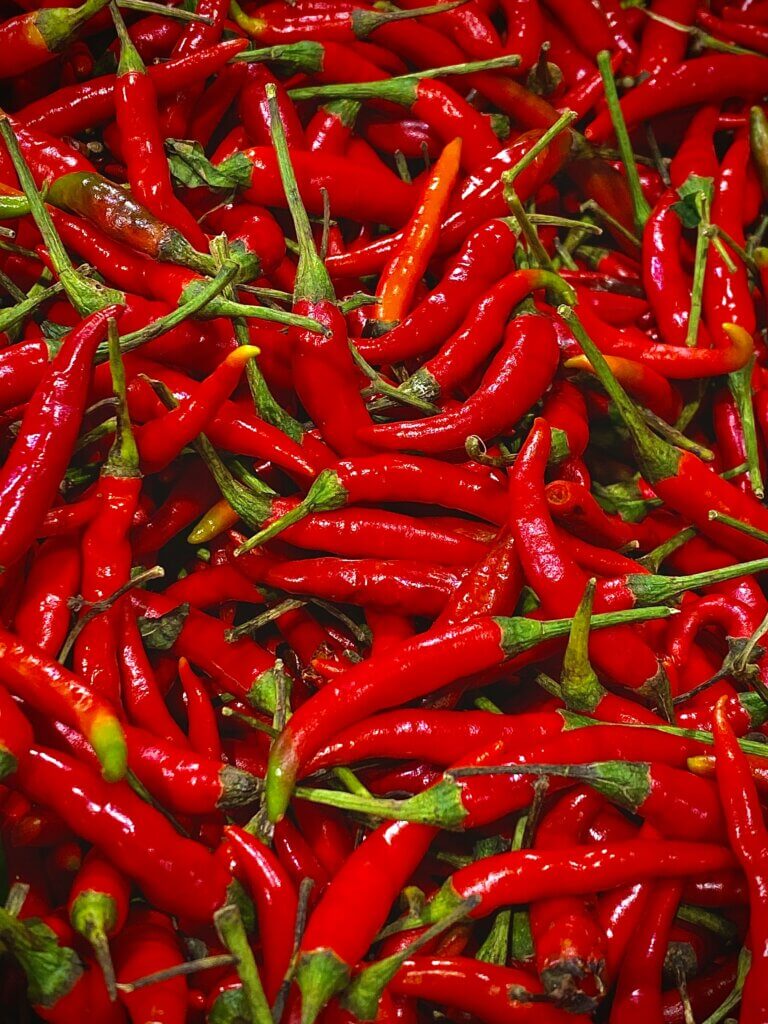
The reason chili, ginger, black pepper, and horseradish make us feel warm is because of their active ingredients. The capsaicin in chili peppers, the gingerols in ginger, the piperine in black pepper, and the mustard oils gluconasturtiin and sinigrin in horseradish all stimulate blood circulation, which raises body temperature.
What foods should you avoid eating in the winter?
In winter, you should avoid foods that both schools of thought attribute cooling effects to. These include, for example, watermelons, cucumbers, tomatoes, apples, bananas, most citrus fruits, dairy products, and buckwheat. However, there are foods—such as apples—whose thermal effect can be reversed by heating them: A warm apple compote or warm apple juice will thus warm the body; the same applies to a tomato sauce with pepper and onion.
What are some quick recipes that use warming foods?
You don’t have to spend hours in the kitchen to enjoy a warming meal. Porridge or rice pudding can be whipped up in no time—and rice pudding is ready in no time, too. A warming pumpkin or vegetable soup is also easy to make. Curries, chili con carne, stews, casseroles, and many kinds of roasts are usually quick to prepare as well. Or you can fire up the grill—because, according to TCM, grilled foods also turn up your internal heating.
Similar posts:
Pumpkin: Everyone’s Fall Favorite—Plus 3 Pumpkin Recipes
Autumnal Stews: Heartwarming Dishes with a Long Tradition
Cooling Foods: What to Eat When It’s Hot