
Hardly any other vegetable is as synonymous with fall as pumpkin. It can taste creamy, nutty, sweet, or spicy; it works just as well roasted in the oven as it does in a curry—and it even makes a surprisingly good addition to cakes. Which varieties are best for what, when you can eat the skin, and why pumpkin has a lot to offer nutritionally + 3 pumpkin recipes from our editorial team 🙂
Bright orange at the front door, piled high in all shapes and sizes at the market, and a staple in the kitchen come fall: pumpkin is now in peak season. Yet it’s much more versatile than its reputation as a soup vegetable would suggest.
It can be roasted, stuffed, pureed, baked, and even used in desserts. Depending on the variety, it tastes mild, buttery, nutty, or slightly sweet. And because many pumpkins store well, they’re a staple well beyond fall.
What pumpkin varieties are there, and what are they best suited for?
There are hundreds of pumpkin varieties worldwide. In the kitchen, we mainly encounter a few particularly versatile classics.
Hokkaido is one of the most popular varieties. Its flesh is firm, slightly nutty, and relatively flavorful. A particularly handy feature: The skin is edible and softens during cooking.
Butternut squash can be recognized by its elongated, pear-shaped form. It has a mild, slightly sweet, and buttery flavor and contains relatively few seeds. This makes it ideal for oven-baked dishes, curries, and purees.
Nutmeg squash can grow very large and is therefore often sold in pieces. Its flesh is a deep orange color and particularly aromatic. It pairs well with spices such as nutmeg, chili, ginger, or cinnamon.
Spaghetti squash has a unique characteristic: after cooking, the flesh breaks down into long strands that actually resemble spaghetti a bit. They can be served directly with a sauce.
Smaller varieties like Sweet Dumpling or Delicata are also excellent for stuffing and baking.
Can you eat the squash skin?
That depends on the variety. With Hokkaido squash, the skin can be eaten without any problem. With Delicata and some smaller varieties, the skin is also soft enough to eat after cooking.
Butternut, nutmeg squash, and other varieties, on the other hand, usually have a harder rind that’s best removed before cooking.
As a general rule: If a squash is cooked in the oven for a long time, even a slightly firmer skin can soften. However, if you want a particularly smooth texture—such as for purée or cake—it’s still better to peel it.
Is squash healthy?
Pumpkins consist largely of water and are therefore relatively low in calories. At the same time, they provide dietary fiber as well as various vitamins and minerals.
Orange varieties are particularly rich in beta-carotene, which the body can convert into vitamin A. Vitamin A is important for vision, skin health, and the immune system, among other things. Depending on the variety, pumpkin also contains vitamin C, potassium, and other phytochemicals.
Pumpkin seeds are also nutritionally beneficial. They provide plant-based protein, unsaturated fatty acids, magnesium, and zinc—and when roasted, they make an excellent topping for salads, roasted vegetables, or breakfast dishes.
How can you tell if a pumpkin is ripe?
For many varieties, the so-called “tap test” is helpful: If the pumpkin sounds hollow when tapped, that’s a good sign that it’s ripe.
The stem should look dry and woody, and the skin should be firm and as undamaged as possible. Soft spots or cracks may indicate that the pumpkin won’t keep much longer.
For cut pumpkins, the flesh should look brightly colored, firm, and fresh.
How do you store pumpkin properly?
Uncut, fully ripe winter squash can be stored for a surprisingly long time. A dry, dark, and fairly cool place is ideal—but not the refrigerator. Depending on the variety, squash can be stored for several weeks to months.
On the other hand, cut pieces should be stored in the refrigerator. It’s best to wrap the cut surface or place the pumpkin in an airtight container. It should be used within a few days.
Pumpkin also freezes well. It can be frozen raw and diced, or cooked and pureed first.
Does a pumpkin recipe always have to be savory?
Not at all. The natural sweetness of many pumpkin varieties makes them absolutely ideal for cakes, muffins, or sweet casseroles. In the U.S., pumpkin pie is a classic, but here, too, pumpkin pairs wonderfully with cinnamon, vanilla, honey, maple syrup, or nuts.
Conversely, pumpkin also pairs well with bold spices. Cumin, cilantro, chili, harissa, curry, ginger, or ras el hanout quickly strip it of any mild, autumnal flavor. That’s exactly why it works so well as a base for dishes from a wide variety of cuisines.
3 Pumpkin Recipes to Try at Home
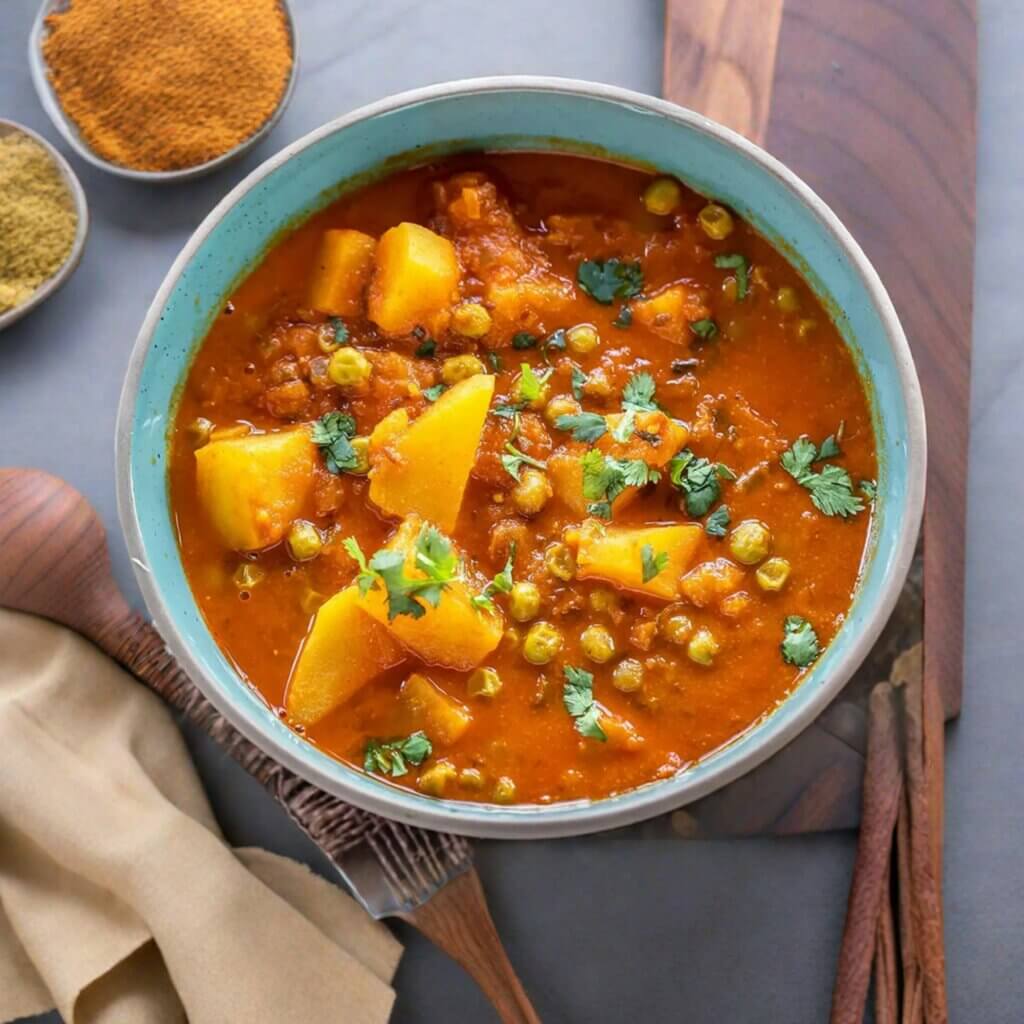
Oriental Squash with Chickpeas, Tahini, and Pomegranate
Spicy, creamy, and fresh all at once: This dish works just as well as a light dinner as it does as a side dish.
For 4 people
800 g Hokkaido or butternut squash
1 can of chickpeas
2 tbsp olive oil
1 tsp cumin
1 tsp ground coriander
½ tsp cinnamon
½ tsp paprika
salt and pepper
3 tbsp tahini
juice of ½ lemon
2–3 tbsp water
½ pomegranate
1 handful of parsley or cilantro
optional: a little feta
Preparation
Preheat the oven to 200 degrees Celsius using top and bottom heat.
Cut the pumpkin into bite-sized pieces. Rinse the chickpeas and drain them well.
Mix both with olive oil, cumin, cilantro, cinnamon, paprika, salt, and pepper, and spread them out on a baking sheet.
Roast for about 25 to 30 minutes, until the pumpkin is tender and lightly browned.
For the sauce, stir tahini with lemon juice, water, and a pinch of salt until smooth.
Arrange the pumpkin and chickpeas on plates, drizzle with the tahini sauce, and sprinkle with pomegranate seeds and herbs. If you like, top with some crumbled feta.
Roasted Pumpkin with Honey, Feta, and Walnuts
Little work, lots of flavor: This oven-baked dish thrives on the combination of sweet pumpkin, salty cheese, and toasted nuts.
For 4 people
1 small Hokkaido squash
2 tbsp olive oil
1 tbsp honey
150 g feta cheese
50 g walnuts
a few sprigs of thyme
salt and pepper
optional: a little chili
Preparation
Preheat the oven to 200 degrees Celsius using top and bottom heat.
Cut the Hokkaido squash in half, remove the seeds, and cut into wedges. Place on a baking sheet and toss with olive oil, salt, and pepper.
Bake for about 20 minutes.
Then crumble feta over the top, add walnuts, and drizzle honey over the pumpkin. Bake for another ten minutes, until the cheese is lightly browned and the pumpkin wedges are tender.
Serve with fresh thyme and a little chili, if desired.
This goes well with a green salad—or simply some good bread.
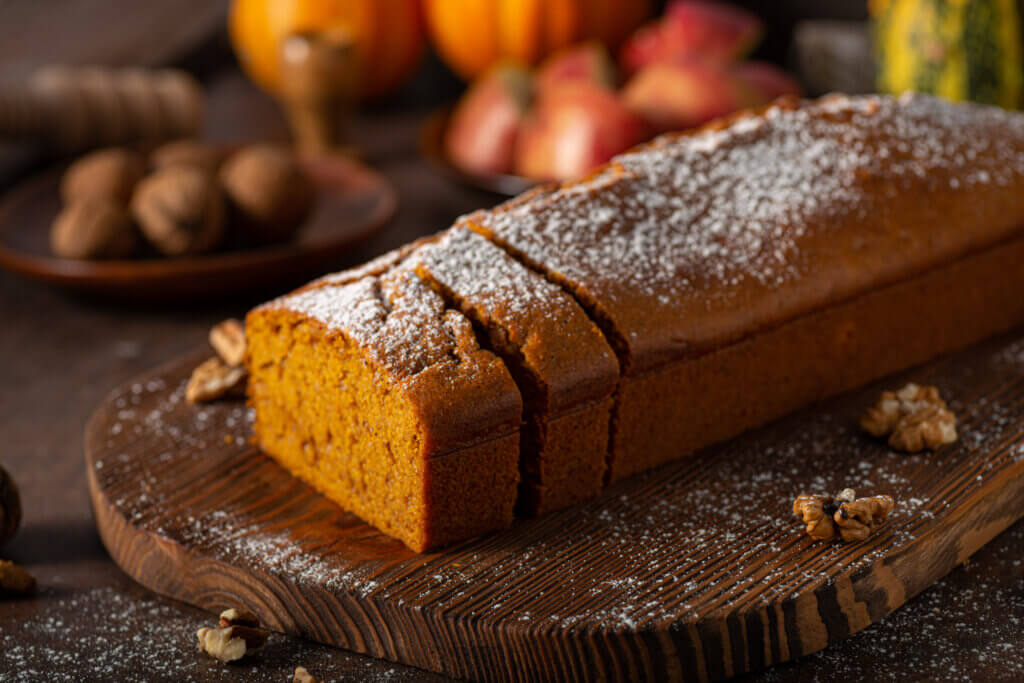
Sweet Pumpkin Cake with Cinnamon and Walnuts
Moist, flavorful, and just right for cool afternoons: pumpkin puree makes this cake especially moist and keeps it fresh for a long time.
For a loaf pan
250 g pumpkin puree
200 g flour
120 g brown sugar
2 eggs
100 ml neutral oil
1 tsp baking powder
½ tsp baking soda
1½ tsp cinnamon
½ tsp ground ginger
1 pinch nutmeg
1 pinch salt
70 g walnuts
optional: 1 tsp vanilla
Preparation
Preheat the oven to 175 degrees Celsius (top and bottom heat).
Beat the eggs with the sugar, then add the oil and pumpkin puree.
Mix the flour with the baking powder, baking soda, cinnamon, ginger, nutmeg, and salt, then stir briefly into the wet ingredients.
Coarsely chop the walnuts and fold them in.
Pour the batter into a greased or parchment-lined loaf pan and bake for about 45 to 55 minutes. Use a wooden skewer to check if the cake is done.
Let cool, then dust with powdered sugar if desired.
If you prefer a richer treat, serve it with a dollop of cream cheese—or simply a spoonful of Greek yogurt.
Similar posts:
Harvesting Seeds: The Foundation for a Bountiful Harvest in 2027
Growing Winter Vegetables: What to Plant Now
Composting Indoors: Does It Really Work?