
Many vegetable gardens lie empty after the harvest, waiting to be tended and planted again next spring. But this winter break isn’t actually necessary. That’s because there are all kinds of winter vegetables that can withstand the frost. This means you can still harvest valuable sources of vitamins from garden beds and raised beds even during the cold season—even without a greenhouse.
Which winter vegetables can be grown right now?
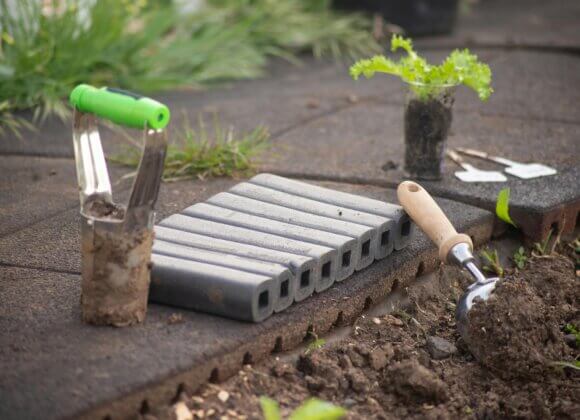
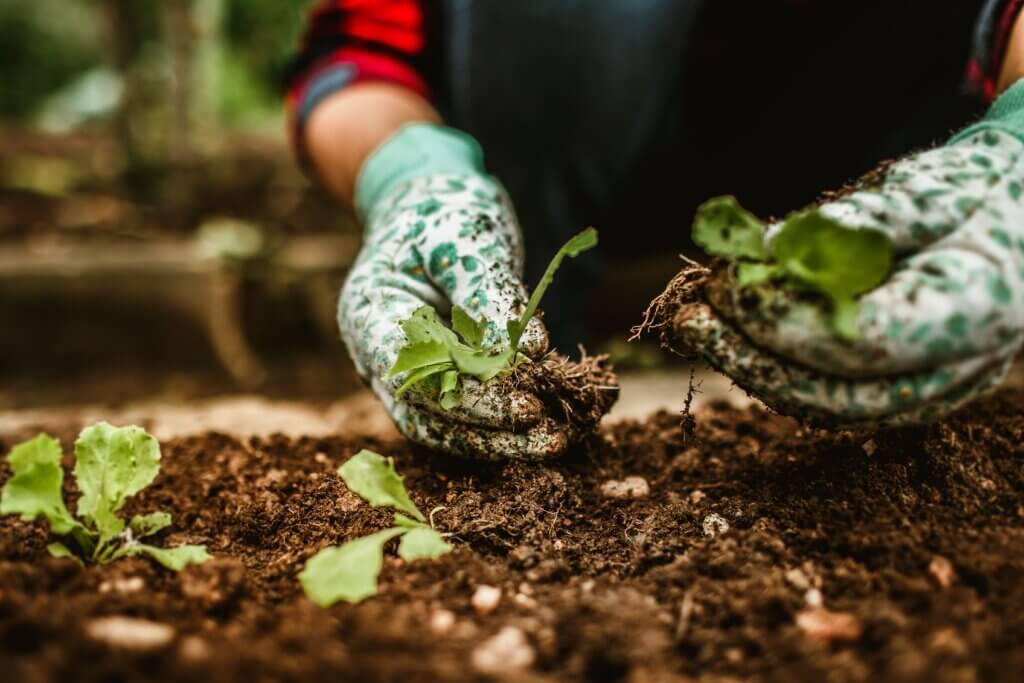
If you want to ensure a supply of homegrown winter vegetables now, you should choose fast-growing varieties. This is the only way to guarantee that they will have completed their growth cycle by the first frost and can therefore be harvested in the winter. You should therefore plant, for example, arugula, lamb’s lettuce, winter purslane, winter cress, leaf lettuce, endive, and chicory, as well as winter spinach, Asian greens, or fast-growing radishes in your garden bed or raised bed.
However, if you’d like, you can also lay the groundwork now for your first harvest next spring: chives, various types of onions, and winter garlic all tolerate snow and cold well and can therefore be planted in the ground as well.
When should winter vegetables be planted?
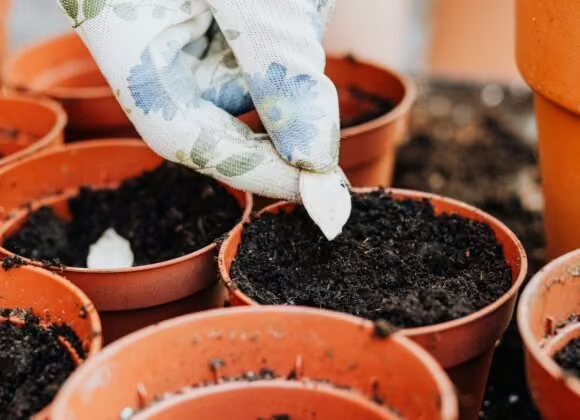
Vegetables that are to be served in the winter should be planted in the ground well before the first frost. In our part of the world, September is therefore the latest possible time to plant winter vegetables. Only then can you generally be sure that the winter vegetables will be ready for harvest by the time the cold season arrives. This is because, on the one hand, the plants stop growing at low temperatures and with low sunlight intensity, and on the other hand, plants that are not yet mature lack the necessary winter hardiness.
How do you care for winter vegetables?
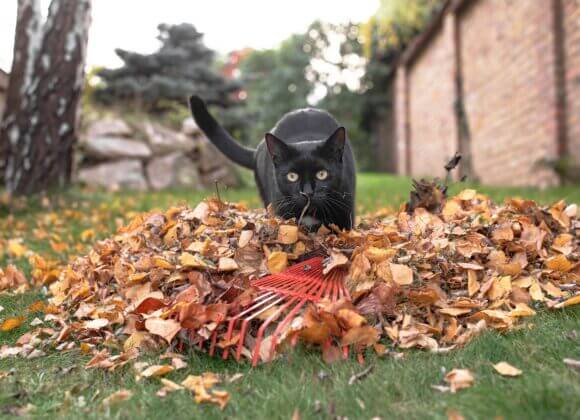
Winter vegetables are undemanding and don’t require much care. The plants now need neither fertilizer nor pest control—after all, the pests that appear in the summer are no longer a problem during the cold season. It is therefore sufficient to top off the garden bed with some fresh soil or mature compost after the summer harvest. However, it’s a good idea to cover the bed with a layer of mulch made of straw or leaves. This helps keep the soil warm longer—which better protects the roots and improves growing conditions. Winter vegetables thrive particularly well in a raised bed, as the decomposition processes inside generate heat.
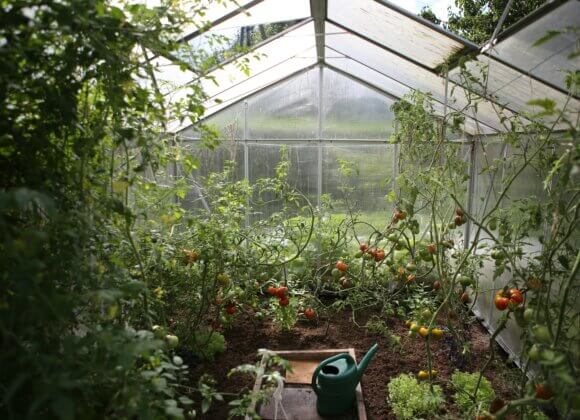
Speaking of warmth: A cold-protection fleece or a cold frame cover can also help retain heat in the garden bed longer. If you choose the latter, though, don’t forget to ventilate it on sunny days!
Can other vegetables also stay in the garden bed over the winter?
There are also other types of vegetables that don’t necessarily have to be harvested in late summer or fall and stored indoors. Vegetables that tolerate snow and cold well—and can therefore be harvested continuously even in winter—include, for example, radicchio, Swiss chard,
Kale, parsnips, Brussels sprouts, onions, leeks, radishes, kohlrabi, turnips, or black salsify. Beets can also withstand a light frost, but they should be protected from severe frost or prolonged freezing conditions.
Growing Winter Vegetables: Our Tips
- When growing winter vegetables, be sure to practice crop rotation and combine only varieties that grow well together!
- If there’s been no rain or snow for a long time, the plants will appreciate a little water on frost-free days.
- Harvest winter vegetables only when they haven’t been frozen.
- You can even grow your own fresh vegetables on a balcony in the winter. The most important thing is to insulate the pots where lettuce and other vegetables are growing well. This is because even plants that are generally winter-hardy won’t survive if the soil—and thus the roots—in the pots freeze solid.
Related posts:
Heat-Tolerant Vegetables for Gardens and Raised Beds
Green Winter Delights: Urban Gardening in Winter
What Can a Greenhouse Do in Winter?