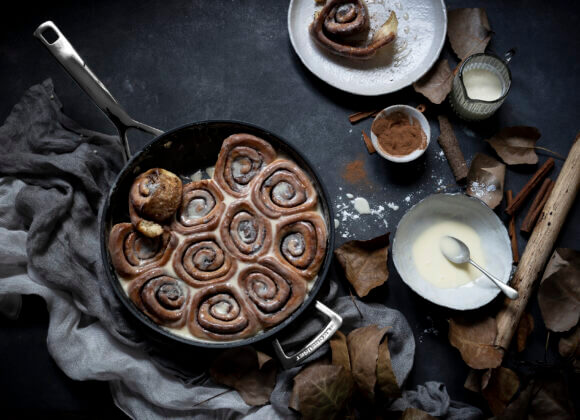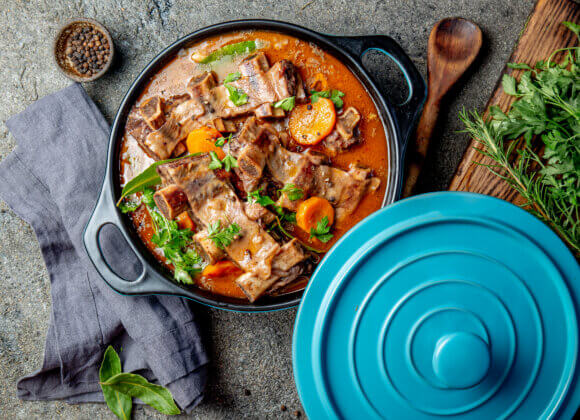

Cast iron is one of the oldest materials used in the manufacture of cookware. It owes its popularity to its combination of sturdiness, functionality, and durability. At the same time, manufacturers such as Le Creuset combine traditional craftsmanship with contemporary design, ensuring that their products are both functional and aesthetically pleasing.
What is cast iron?
Cast iron is an iron alloy with a relatively high carbon content. The material is poured into molds, allowing for the production of sturdy pots, pans, roasting pans, and other cooking utensils. A basic distinction is made between uncoated and enameled cast iron. While uncoated varieties develop a so-called patina, which serves as a natural nonstick coating, enameled models feature a glass-like protective layer that makes them easier to care for. At the same time, this eliminates the need for the complicated “seasoning” process required for raw cast iron.
What are the advantages of cast-iron cookware?
Cast iron has many excellent properties: For example, it is an outstanding heat retainer. Cast iron absorbs heat evenly and retains it for an extremely long time. This saves energy, since once the pan is heated, you can continue cooking over low to medium heat, and the food stays warm for a long time. Its thermal conductivity is also excellent—heat is distributed evenly across the bottom and sides.
Cast-iron cookware is also sturdy and versatile, and can be used on all types of stoves—from searing on an induction cooktop to slow braising in the oven to baking bread. Furthermore, this cookware is durable and therefore sustainable.
Are there any disadvantages?
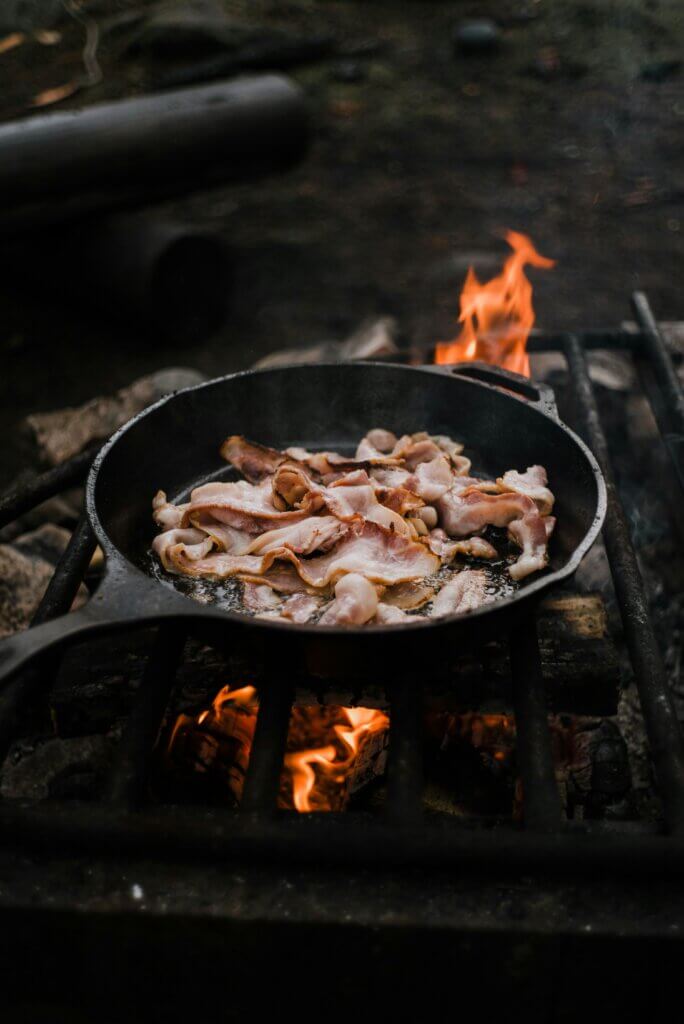
One thing is clear: cast iron is anything but lightweight. But maybe you consider handling cast-iron roasting pans, pots, and skillets a workout? Because it’s precisely this weight that’s the secret behind its outstanding heat performance and even heat distribution.
Speaking of heat: If you cook with cast-iron cookware, you’ll need to be patient, given that it takes a little longer to heat up. “Since cast iron retains heat so intensely, it should be heated slowly and never left completely empty on the highest setting. Quality simply takes a moment to reach operating temperature,” says Le Creuset.
How do you clean cast-iron cookware?
As mentioned, cast iron is a durable material, especially with the right care. The most important rule is to let pans and other items cool down. “Cast iron doesn’t like thermal shocks,” as they say at Le Creuset. Therefore, never rinse hot cast-iron cookware directly with cold water, especially if it’s enameled. When it comes to cleaning, hand-washing is the gentler option. Roasting pans and other items can be cleaned with warm water, a little mild dish soap, and a soft sponge. For stubborn encrustations, it’s best to simply let the pot soak briefly in warm water. Uncoated cast iron, however, should be dried thoroughly right away to prevent rust spots.
Good to know:
- Since cast iron conducts heat so well, the burner or cooktop can be smaller than the bottom diameter of cookware made from this material, and the cookware will still heat up to the brim. However, you should avoid using a burner that’s too large—in that case, the sides of the cookware could overheat.
- Wooden spoons and other metal kitchen utensils can scratch the enamel surface if the inside of the pot is enameled. Therefore, it’s best to use kitchen utensils made of silicone, wood, or heat-resistant plastic.
Photos: Le Creuset and Unsplash
Similar articles:
Cookware series, part 1: Stainless steel
How to make your copper tableware shine again
Beast Blender: Why personal blenders are replacing stand mixers – incl. Competition