
Heat and drought aren’t just a problem for people—they also take a toll on the plants in the garden. Not only the lawn, but especially vegetables, perennials, and flowers need plenty of water. If you’d rather relax than fuss with a garden hose and watering can, you should consider installing an automatic irrigation system in your garden.
What types of irrigation systems are there?
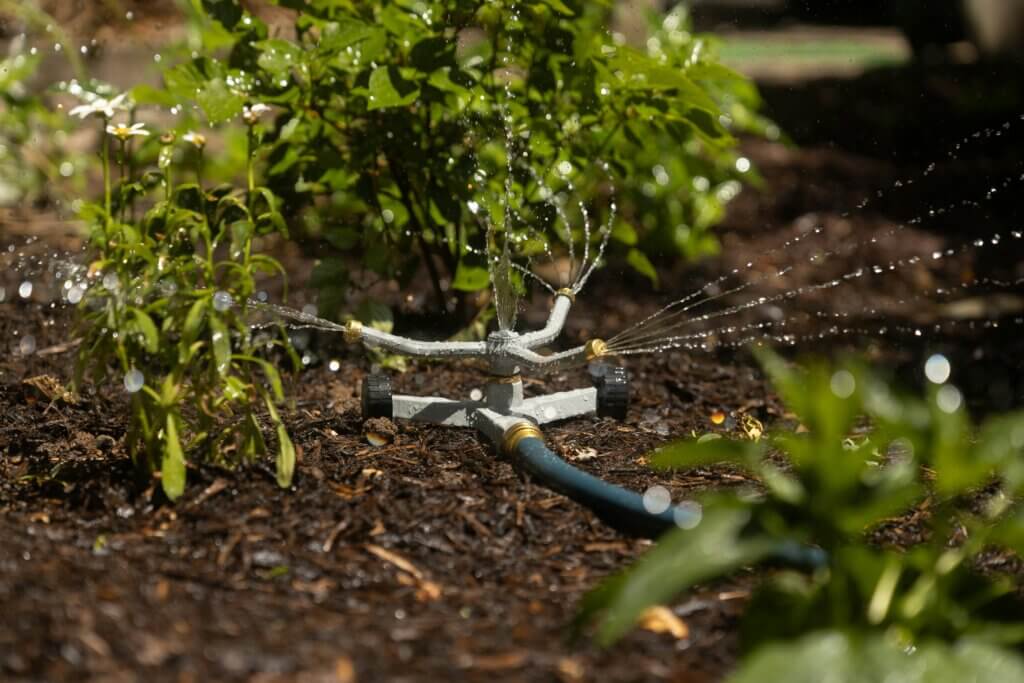
Basically, there are three types of automatic irrigation systems: The most basic option is a lawn sprinkler that connects to a garden hose. If the water pressure is high enough and you need to water a larger area, you can connect multiple sprinklers together using flexible hose connector systems. A drip hose system works on the same basic principle and is used to supply water to garden beds, planters, and flowerpots. In this case, all you have to do is turn the faucet on and off.
If you want to at least save yourself the trouble of turning off the water, you should invest in a watering timer that attaches directly to the faucet. As soon as you turn on the faucet, the watering cycle begins and ends automatically once the preset time has elapsed.
However, if you want to ensure that your lawn, hedges, flowers, and vegetables are watered even when you’re away, you should invest in a solar- or battery-powered irrigation controller, which—depending on the model—can also be controlled via your cell phone: With this device, you can not only set the days, times, and duration of watering. A single unit also allows you to water different areas of the garden—such as the lawn, flower beds, or raised beds—according to their specific needs. Incidentally, many irrigation controllers now feature a sensor to measure soil moisture, rainfall, or temperature—for example, if the soil is sufficiently moist after rain, watering is suspended.
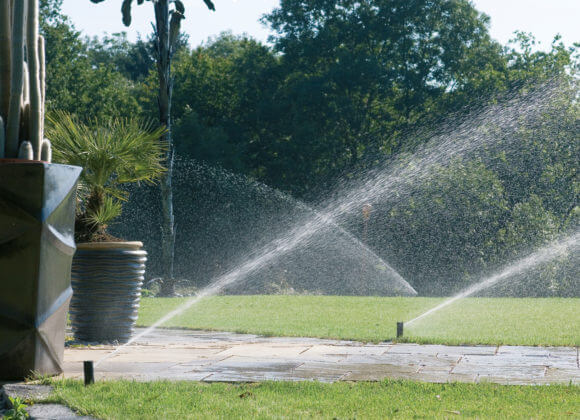
However, not everyone is thrilled by the sight of garden hoses running across the yard—not to mention that they’re tripping hazards and make mowing the lawn difficult. Sprinkler systems offer a solution, at least when it comes to watering lawns. The sprinklers, the hoses connecting them, and usually the entire irrigation system are installed underground. The sprinklers are extended only during watering.
What are the benefits of automatic irrigation?
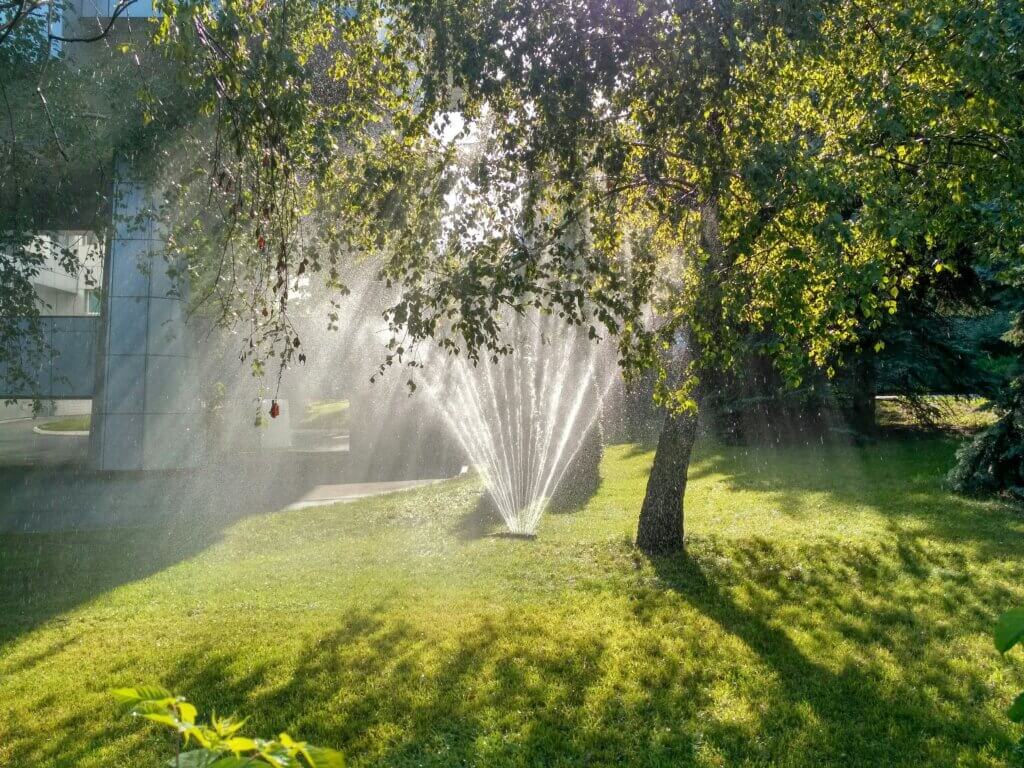
Automatic irrigation systems offer several advantages: For example, they eliminate the need to lug around watering cans and fiddle with the garden hose. This isn’t just tedious—it’s also time-consuming—because even a small garden can’t be watered sufficiently in just a few minutes. It also eliminates the question of who will take care of watering while you’re away.
An automatic irrigation system also ensures that water is distributed evenly, helping to conserve this precious resource—especially when it’s connected to a cistern or a rainwater storage tank. Even more water is saved when hedges, borders, and flower beds are watered using drip irrigation rather than a sprinkler. With drip irrigation, the water reaches the roots directly, reducing evaporation. In addition, many plants do not appreciate having their flowers and leaves wetted.
How do you design an automatic irrigation system?
The most important step in planning an automatic irrigation system is analyzing the garden: This involves not only its size, shape, sunlight exposure, and soil conditions, but especially the plants and their water requirements. The question of how much the automatic irrigation system should cost also needs to be addressed. A fully automatic system with underground sprinklers is likely to be the most expensive option.
What are the disadvantages of automatic irrigation?
The initial cost may be seen as a drawback in some cases. However, when factored against the time and effort you would otherwise spend, this cost pays for itself quickly.
There’s one more thing to keep in mind: In the fall, an automatic irrigation system may require a little more attention. To prevent frost damage, above-ground hoses and sprinklers, as well as unprotected irrigation timers and controllers, should be stored in a frost-proof location. Underground systems must also be completely drained and flushed with compressed air. Control units should be set to winter mode or turned off.
Is there an automatic watering system for balcony and container plants as well?
Yes, balcony and container plants can also be watered automatically. Watering systems for balcony boxes, flower troughs, and pots are connected either to a water reservoir or a faucet and automatically supply balcony flowers and herbs with the water they need to thrive. The drippers are often adjustable, allowing you to water the plants according to their needs. And here, too, many irrigation systems for balcony and potted plants can be controlled using an irrigation computer.
Automatic Irrigation in the Garden: Good to Know
- Automatic irrigation systems save time and effort
- They help ensure that lawns, hedges, flowers, and vegetables receive an optimal supply of water while making efficient use of this resource
- In the fall, the system must be prepared for winter
Related Articles
Watering Balcony Plants: How to Keep Flowers and Herbs Healthy