
More and more hobby gardeners are turning to saving their own seeds, thereby laying the foundation for a bountiful harvest next year. This not only saves money but also helps promote the concept of sustainability and preserve cherished varieties.
From which vegetable varieties can I collect seeds myself?
To collect seeds from vegetables yourself, two conditions must be met: First, the vegetable varieties—from lettuce to tomatoes to zucchini—must be in bloom. Second, the flowers must be capable of fertilization—that is, they must be able to be pollinated by insects. This is not the case with double or sterile flowers.
What are open-pollinated seeds?
Open-pollinated seeds mean that the plants grown from them will have the same characteristics as the plants from which the seeds were harvested. Additionally, they are always capable of producing their own viable seeds.
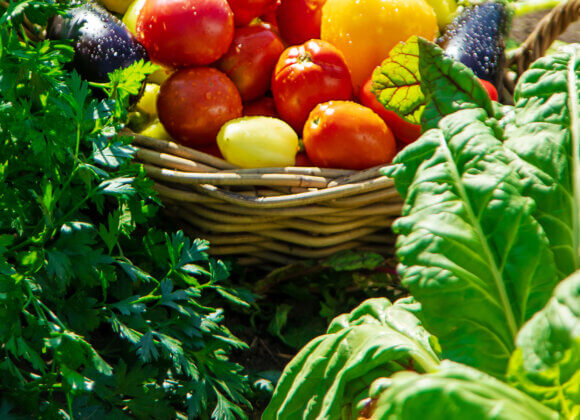
How do you harvest seeds from tomatoes?
To extract seeds from tomatoes, you must first remove the gelatinous membrane from the seeds inside the fruit. To do this, soak the seeds in water for two to three days, then let them dry for a few days on paper towels or a coffee filter. Coffee filters work well because the seeds stick to them less than they do to paper towels.
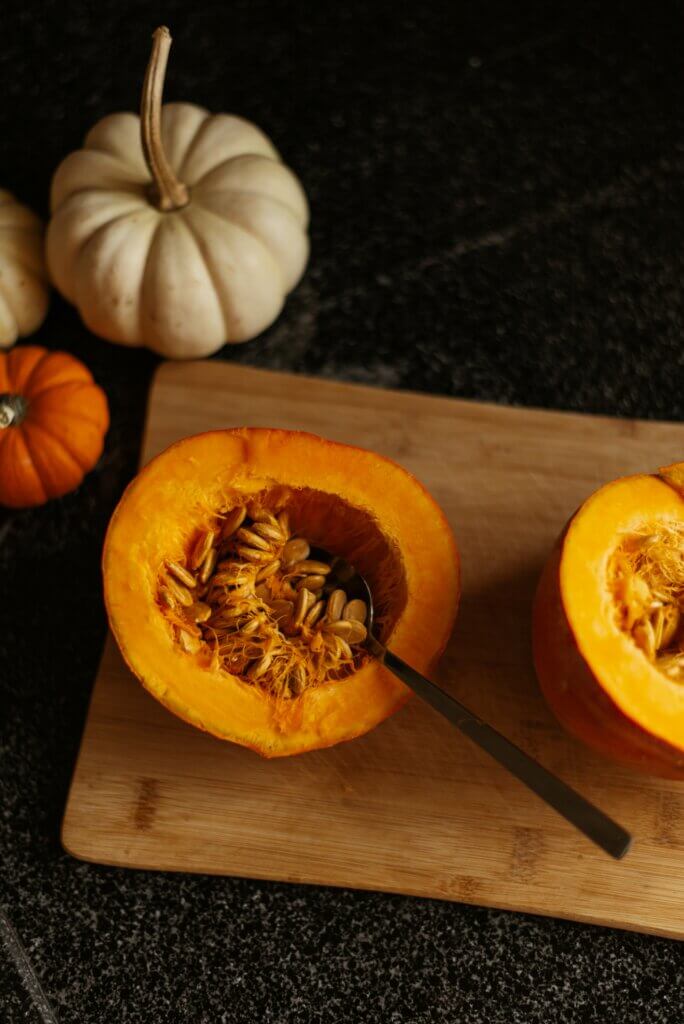
Similarly, seeds can be harvested from other fruit vegetables such as cucumbers, zucchini, or squash: To do this, remove the seeds from the fruit, carefully rinse off any pulp clinging to them with cold water, and let the seeds dry as well.
No water is needed to collect seeds from bell peppers or eggplants: simply remove the seeds from the fruits and let them dry on a paper towel or coffee filter.
Can you also harvest seeds from onions?
Yes, onions and leeks also produce seeds. However, you’ll need patience: The seeds are harvested from the flowers of these bulbous plants, which typically don’t bloom until their second year. As soon as the husk surrounding the seeds on the spherical flowers dries out, cut off the flowers. Let the flowers dry out for a few more days in a warm, dry place, then shake out the seeds. Remove the remaining plant parts—and you’re done.
How do you harvest seeds from green beans?
To collect seeds from green beans and other legumes such as lentils, peas, or beans, all you need to do is wait until their pods make a slight rustling sound. When that happens, pick a few pods from the plant—which has usually died by then—and let them dry. After a while, you can remove the now-dry seeds from the pods and store them.
How should seeds be stored?
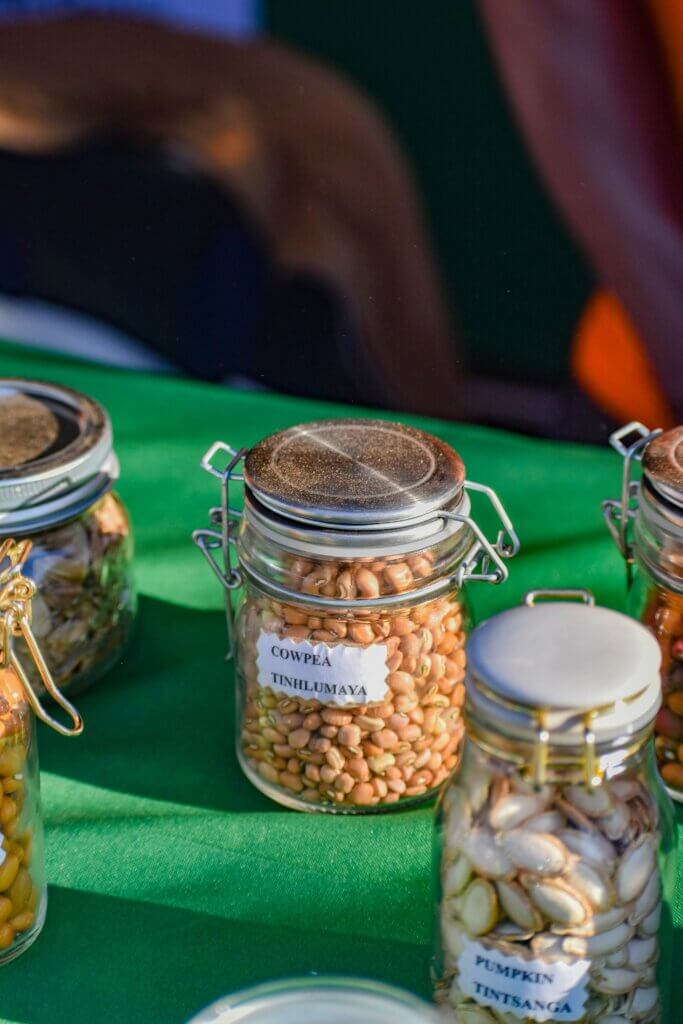
Seeds should be stored in a dark, cool, and dry place. Small screw-top jars, paper envelopes, or tins work well for storage—and don’t forget to label the containers with the variety and harvest year.
How long do seeds last?
Tomato and bell pepper seeds remain viable for five to ten years, while those of squash, zucchini, and cucumbers remain viable for about four to five years. Legume seeds remain viable for two to four years, and onion and leek seeds remain viable for one year.
Collecting Seeds: 3 Tips
- #1: Use only healthy, vigorous plants—preferably those that have reached maturity by mid-season—to harvest seeds.
- #2: Seeds should always be harvested when fully ripe. If they aren’t, the seeds will germinate poorly or not at all in the spring.
- #3: Seeds can be harvested not only from vegetable plants but also from summer flowers and perennials such as lavender. To do this, cut off the entire seed head and let it dry for a while. Once the seeds are completely dry, they will practically fall out of the seed heads on their own.
Related posts:
Compost & Green Manure – Ready for 2026
What You Should Do in the Garden Now
Fermenting Vegetables: A Rediscovered Traditional Craft