

A good laundry basket is more than just a container for dirty laundry: the material, size, and craftsmanship determine whether laundry is stored hygienically or whether unpleasant odors develop. Combined with the right accessories—from clothespins to laundry bags—household chores become much easier. Here’s what really matters when buying a laundry basket and which materials have proven to be the best.
Laundry is part of everyday life—and yet many people pay little attention to the tools that make doing laundry easier. Well-designed laundry baskets, sturdy clothespins, and practical accessories not only make housework easier but also help keep things tidier and more hygienic. If you pay attention to the right materials and features when shopping, you’ll enjoy them for a long time and save yourself a lot of hassle when washing and drying.
Which laundry basket is the best?
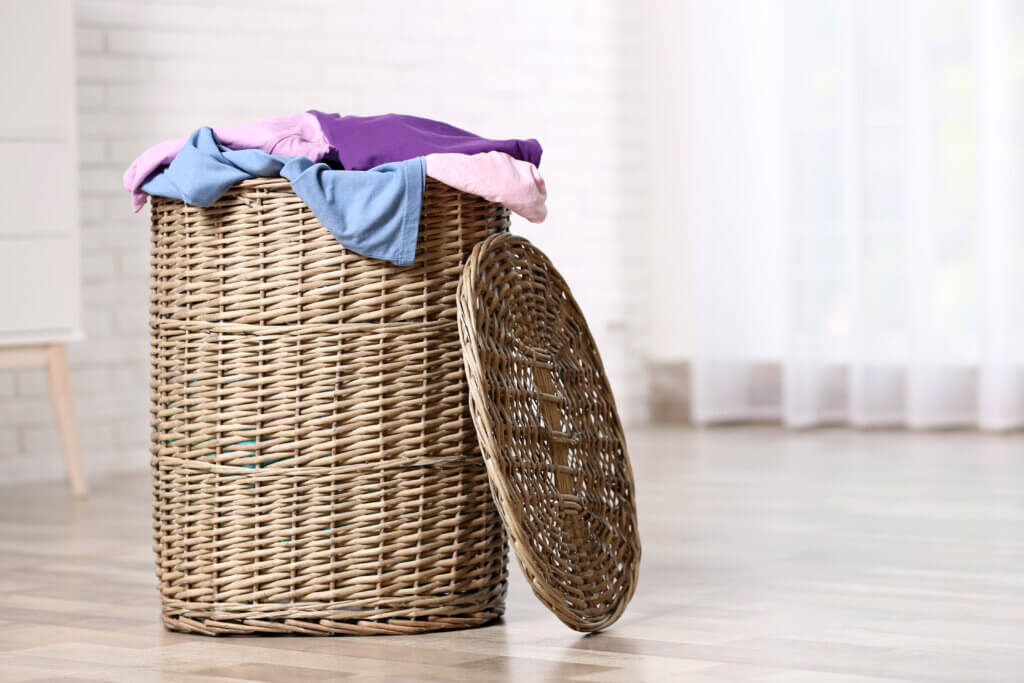
There’s no such thing as the perfect laundry basket—it all depends on your own needs. For singles, a small basket is often enough, while families benefit from larger models or laundry sorters with multiple compartments for pre-sorting by color or wash temperature.
It is important to have sufficient ventilation openings. They prevent moisture from building up and help avoid unpleasant odors or even mold.
What material is best for a laundry basket?
The choice of material affects both the appearance and the durability.
Plastic is one of the most popular options. It is lightweight, low-maintenance, moisture-resistant, and easy to clean. However, inexpensive models often look less high-quality and can break under heavy use.
Rattan and poly rattan stand out for their natural look and are particularly well-suited for the bathroom or bedroom. However, real rattan should not be exposed to prolonged moisture, as the material can swell or develop mold. Poly rattan is significantly more durable and easier to care for.
Wood has a high-quality, durable look, but it requires dry locations and regular maintenance.
Fabric or felt baskets are lightweight, space-saving, and often foldable. It’s important that the fabric be washable. They’re less suitable for laundry that’s constantly damp.
Metal baskets are modern and sturdy. However, they should be rust-proof and have no sharp edges.
Which laundry baskets are best to avoid?
Closed containers without ventilation holes are not a good choice. Damp clothes can hardly dry inside them, which can quickly lead to odors or mold.
Even inexpensive plastic models with sharp edges or flimsy handles often don’t last very long. When it comes to natural materials, make sure they are well-crafted so that no fibers or splinters come loose.
What size should a laundry basket be?
For a single-person household, 40 to 50 liters is usually enough. Couples often get by with about 60 liters, while families often need 80 liters or more. If you want to sort your laundry beforehand, look for models with two or three compartments.
Are laundry dividers useful?
Yes. Sorting light, dark, and delicate laundry as you collect it saves time later and prevents color transfer. Families in particular benefit from multi-compartment laundry baskets.
What accessories make doing laundry easier?
In addition to a good laundry basket, there are a few handy items:
- Laundry bags protect delicate clothing, bras, and fine laundry.
- Small-item nets prevent socks from getting lost.
- Detergent boxes help keep things organized.
- A sturdy laundry basket with casters makes it easier to move around.
- Foldable clothes racks save space.
- Clothespin pouches keep clothespins within easy reach.
Which clothespins are the best?
The material also plays an important role when it comes to clothespins.
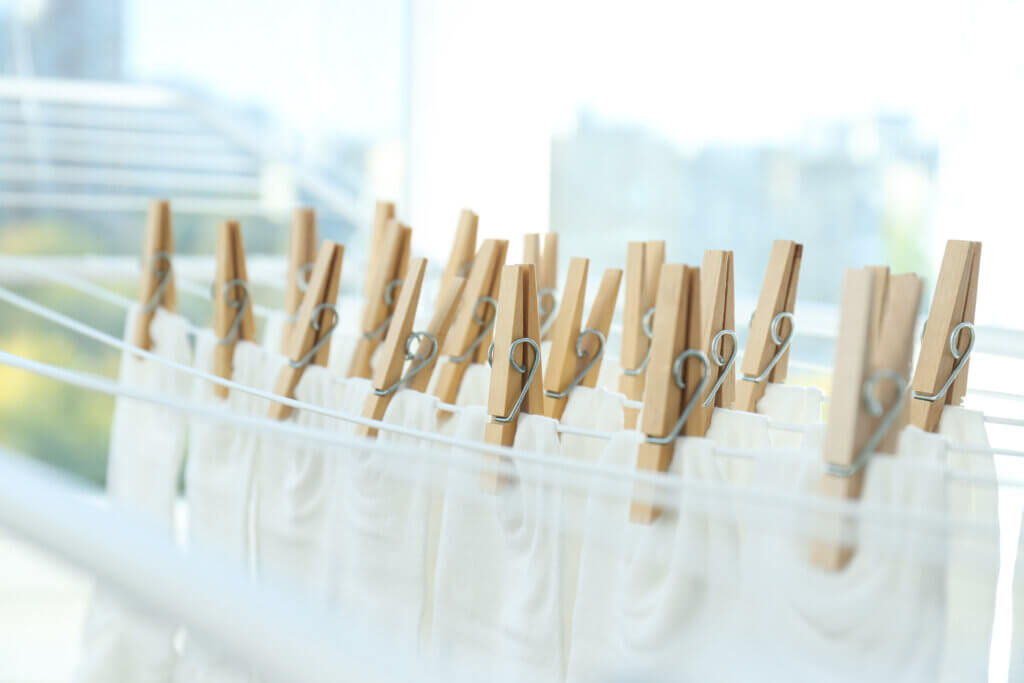
Wooden clothespins are considered a classic. They are usually made of beech wood and are sustainable. However, they can swell or develop mold if exposed to prolonged moisture.
Plastic clips are weather-resistant, lightweight, and available in many colors. High-quality models last for many years, but cheaper versions often become brittle due to UV exposure.
Stainless steel clips are becoming increasingly popular. They don’t rust, have no springs, rarely break, and can withstand even strong winds. However, they are usually a bit more expensive.
What should you look for when buying clothespins?
The spring should be taut enough to hold the laundry securely without damaging delicate fabrics. Smooth surfaces help prevent creases or snags. If you frequently dry your laundry outdoors, you should choose UV-resistant and weatherproof materials.
Which clothes drying rack is the right one?
Folding freestanding dryers are ideal for apartments, as they can be stowed away to save space after use. In the garden or on the patio, rotary clothes dryers offer plenty of drying space and make the most of the wind and sun.
It is important to ensure the rack is stable and that there is enough space between the drying rods so that air can circulate properly.
What’s the right way to store dirty laundry?
Dirty laundry should be placed in the laundry basket while dry, if possible. Wet towels or workout clothes should be allowed to dry first before being put in the basket. This prevents odors and mold growth.
It’s also a good idea to wash or wipe down the laundry basket regularly—plastic models, in particular, are easy to clean.
What mistakes should you avoid when organizing your laundry?
Some of the most common mistakes include overfilled laundry baskets, poorly ventilated containers, and letting damp clothes pile up. Poor-quality clothespins or flimsy baskets also often need to be replaced after just a short time. On the other hand, if you opt for durable materials and good organization, you’ll save time, protect your clothes, and ultimately find that doing laundry isn’t so bad or tedious after all.
Related posts:
Preventing Legionella: Causes, Risks, and Protection
Storing winter clothing: the best storage tips
High-quality bed linen: comfort and style in the bedroom