
After years of beige, greige, and subdued natural tones, it’s time to bring a little more depth back into interior design. Eggplant is one of the most exciting colors of the fall: elegant, warm, full of character—and surprisingly versatile. Interior design specialist Stefanie Winter explains how to pair aubergine effectively, where the color works particularly well, and why you certainly don’t need to redecorate your entire home to incorporate it.
Why Eggplant Is Becoming a Trending Color in Interior Design
“We’re coming off a few years in which very subdued natural tones have strongly defined our spaces,” says Stefanie Winter. These colors will remain—but at the same time, there’s a growing desire for more personality.
This is exactly where eggplant comes into play. The shade ranges from violet to burgundy to brown, giving it a much warmer and more sophisticated feel than classic purple. Even small accents can instantly add depth to a neutral interior. “We don’t necessarily want more things in our rooms. But we want more character again,” says Winter, summing up the trend. The fact that eggplant is currently present far beyond social media is also evident in the new color palettes: deep plum, burgundy, and eggplant tones are playing an increasingly important role in interior design right now.
Which colors go well with eggplant?
Aubergine looks particularly harmonious with warm neutral tones such as cream, beige, sand, or greige. They give this bold color some breathing room and prevent a room from feeling too dark or heavy.
Those who want to be more daring with their combinations can opt for ochre, mustard yellow, or warm olive green. Winter also finds the pairing with a powdery, slightly muted pink to be very elegant. The key factor here isn’t so much which color theoretically goes with eggplant. “What mood do I want to create? That’s exactly what I’d base my choice of the second color on.”
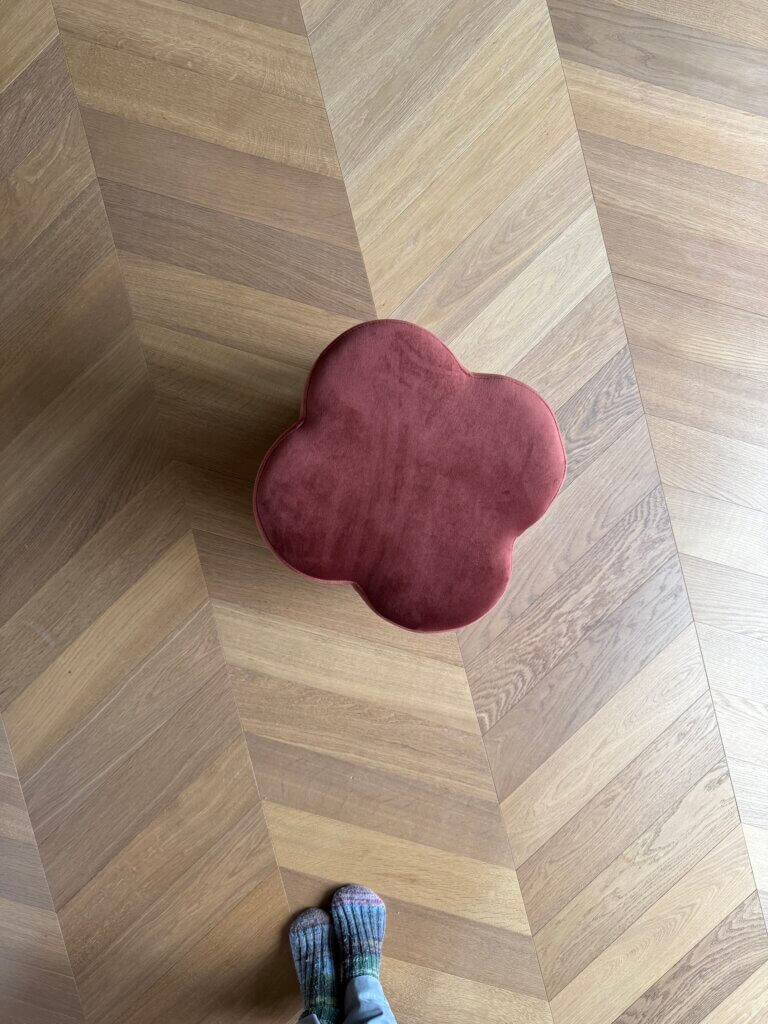
That’s why this color trend is especially easy to incorporate into existing homes. A cream-colored sofa, a light-colored rug, and natural wood, for example, can suddenly take on a whole new look with just a single aubergine-colored armchair.
Decorating with eggplant without making the room look too dark
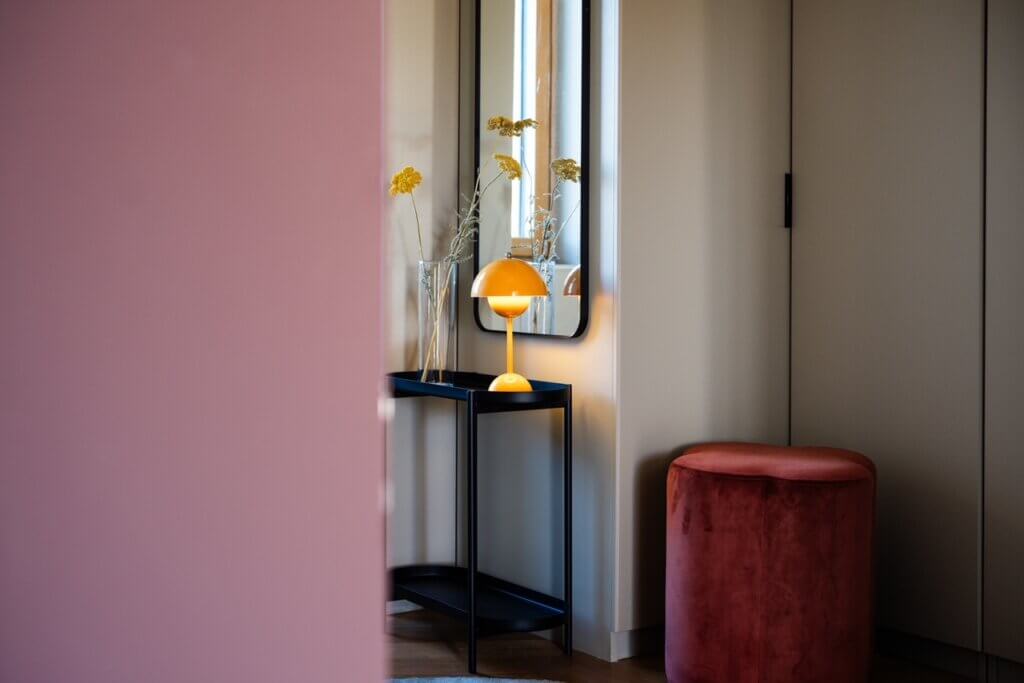
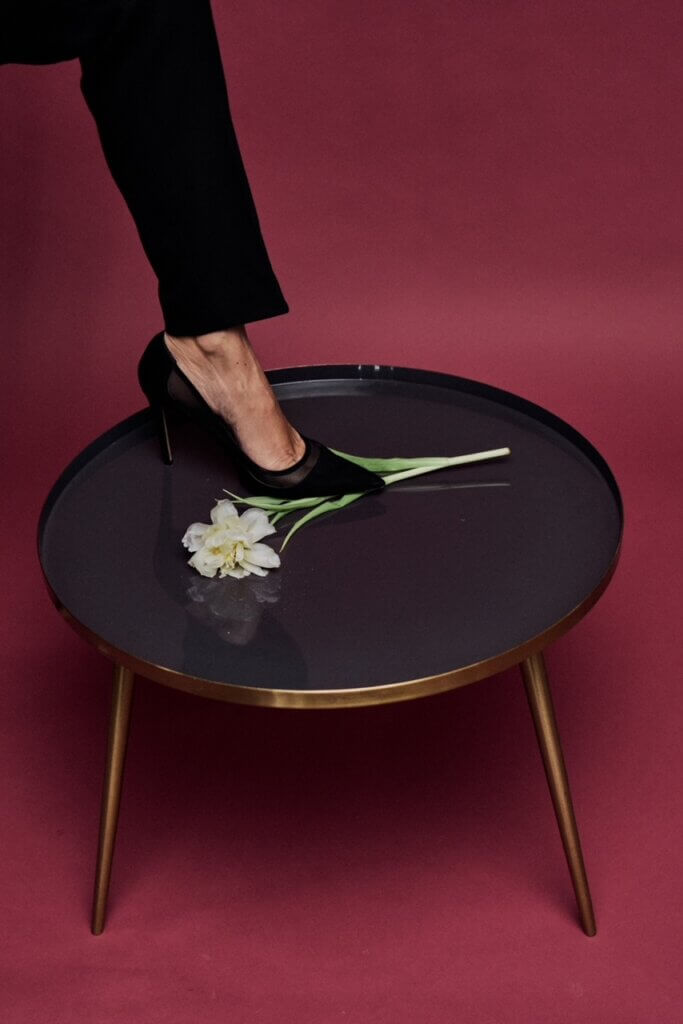
When it comes to bold colors, less can definitely be more. A velvet pillow, a throw, a vase, a piece of art, or a single armchair is often all it takes.
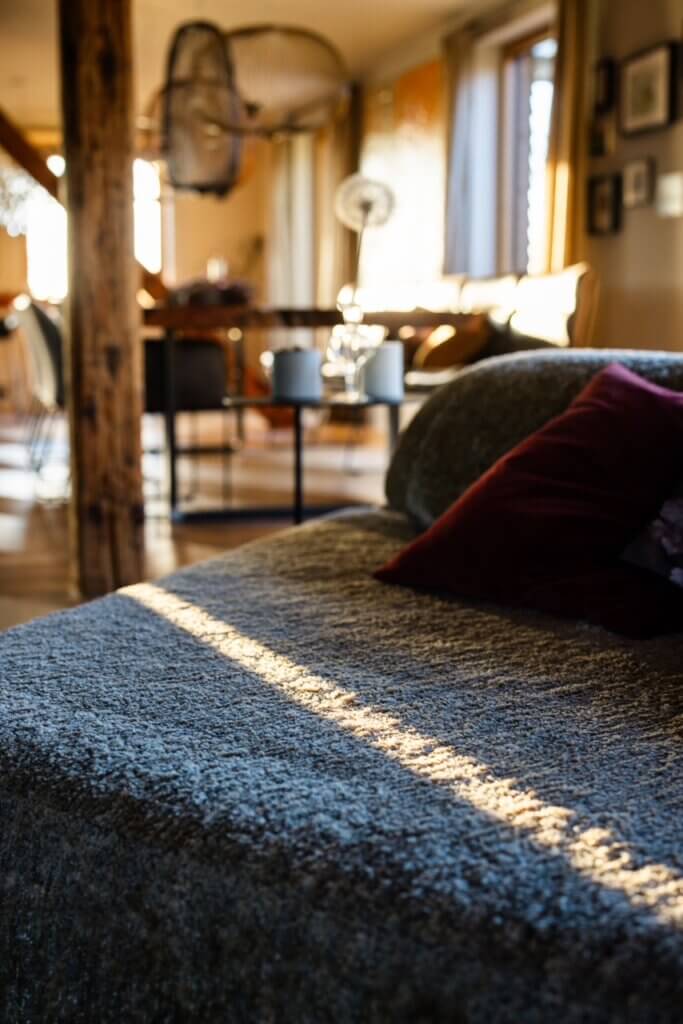
“When a color has that much depth, it doesn’t need to be repeated ten times in the room,” says Winter. Instead of scattering lots of small accessories in the same color, she recommends creating a clearly defined accent. Especially in bright rooms, a dark element can actually make cream, beige, or white stand out even more.
Eggplant as a wall color: an accent or for the entire room?
If you’re feeling a bit more daring, you can also use eggplant over large areas. This shade works particularly well in dining rooms, bedrooms, libraries, or smaller rooms.
You don’t have to limit yourself to the classic single accent wall. Painting multiple walls or using a deliberate “color drenching” technique can create a strong, almost cocoon-like atmosphere in the room.
“A dark color doesn’t automatically make a room look worse or too small. It changes the way it feels,” explains Winter. The key factors here are lighting, room size, flooring, and existing furniture. Instead of asking whether a room is big enough for eggplant, the interior design specialist therefore recommends asking a different question: “What kind of feeling should this room evoke?”
What materials go well with this trendy color?
The choice of materials also has a strong influence on the effect of the color. Dark wood or walnut make eggplant appear particularly warm and luxurious. Velvet further enhances the depth of the shade.
Light-colored natural stone, such as travertine or marble, on the other hand, can create a calm, modern contrast. When it comes to metals, Winter recommends warmer shades such as brass, bronze, or aged metal.
After all, a room is never perceived solely through color: “Wood, stone, velvet, or linen significantly alter how we experience a color.”
Here’s how to make eggplant look modern instead of heavy
Aubergine naturally exudes a certain opulence. When paired with heavy curtains, velvet, dark wood, brass, and classic rugs, it creates a very lavish, atmospheric look.
In contrast, the color takes on a modern feel through contrasts: clean lines, light-colored stone, cream tones, contemporary art, and open spaces.
Winter finds the blending of different styles particularly exciting. An antique piece of furniture against an eggplant-colored wall, for example, can look fantastic next to a very minimalist modern light fixture. “Not everything has to match. It just has to work together.”
Three Simple Ideas for Eggplant at Home
If you want to try out this trendy color, you don’t have to renovate or buy new furniture. Winter recommends three simple ways to get started: textiles such as pillows, throws, or bedding; a single larger accessory like a vase, lamp, or piece of art; or a splash of color in a small, carefully chosen spot. This could be, for example, a niche, a door, a built-in piece of furniture, or the guest bathroom.
Most importantly, however, don’t just copy trends. “Don’t bring eggplant into your home just because it’s trendy right now. Instead, see if this color does something for your own space.” Because for Winter, that’s exactly what good interior design is all about: A home doesn’t become more personal by following every trend—but by adopting only those ideas from trends that truly fit your own life.
Our expert

Stefanie Winter is the owner of S.TEFANIE. interior.studio. For this Graz native, home is the visible expression of our personality. She designs spaces that bring clarity, tell stories, and help people feel truly at home. With a keen sense of color, materials, and atmosphere, she transforms houses and apartments into favorite places with character.
Related posts:
How do you create spaces with character?
Travertine Decor: Natural Stone as a Fall Must-Have
Which houseplants are best for rooms with low light?