
We are living far beyond our means – at least when it comes to the consumption of resources. Austria has already used up its natural resources for the year 2026 by the beginning of April, globally this will be the case on July 24. In view of this, the circular economy and recycling are becoming increasingly important. This also applies to the recycling of building materials: after all, valuable raw materials and energy are hidden in the material that is produced when buildings are demolished or old road surfaces are removed.
What is building material recycling and why is it important?
Building material recycling refers to the processing and reuse or direct reuse of old building materials.
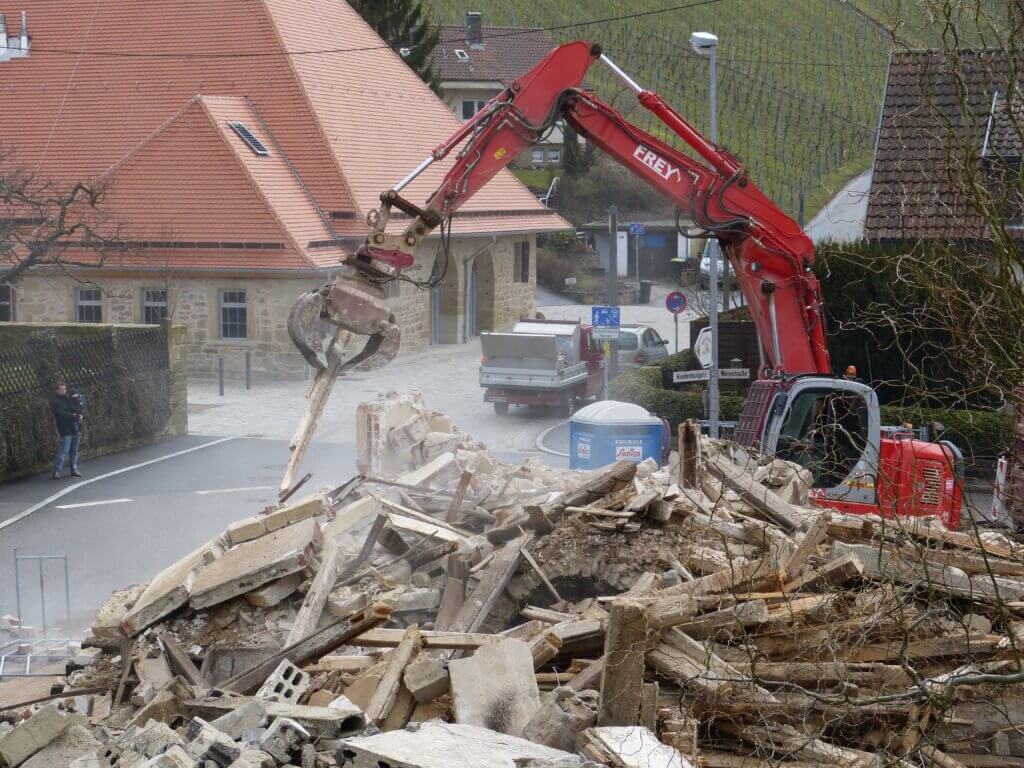
The advantages of recycled building materials are obvious: using old building materials as a source of raw materials has a positive effect on the consumption of raw materials such as sand, gravel and stone, as well as energy. At the same time, the volume of waste is noticeably reduced, which in turn relieves the burden on landfill sites. Did you know that the demolition of a detached house alone can generate up to 400 tons of construction waste? If building materials are processed and reused regionally, transport routes are also shorter and CO2 emissions are lower.
Which building materials can be recycled?
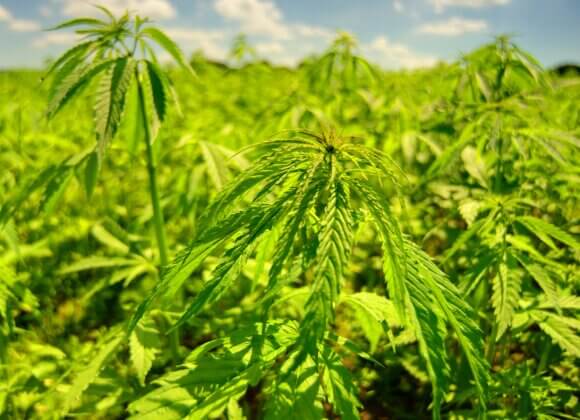
The majority of building materials can now be recycled. According to the Association of Austrian Waste Management Companies (VOEB) for example, 76% of mineral materials such as concrete, bricks, gravel and tiles from demolished buildings remain in the construction cycle. Steel and metal, but also natural building materials such as untreated wood, clay or hemp, as well as masonry, excavated soil and mineral wool can be recycled.
However, it’s not always a question of what you can do, but rather what you have to do: since 2024, concrete, asphalt, road rubble and track ballast may no longer be landfilled, and since the beginning of 2026 this has also applied to gypsum boards, gypsum wallboards and fiber-reinforced gypsum boards (gypsum boards with fleece reinforcement and gypsum fiber boards). A landfill ban for artificial mineral wool comes into force in 2027.
How does building material recycling work in practice?
In order to be reused or recycled, building materials must be as pure as possible. “Pure” is not to be understood as clean, but rather as free of pollutants and impurities. The former include asbestos, tar, artificial mineral fibers, CFCs and wood preservatives, while the latter include glass, plaster and metal. In addition, the building materials must be separated by type. The more carefully this is done, the better building materials can be preserved as secondary raw materials in the cycle.
If the respective building materials are recycled, they are processed accordingly: Concrete is crushed and screened and used as recycled concrete, for example as a base for road construction or as an aggregate in the production of new concrete.
Bricks or broken bricks are added to substrates, for example for the construction of sports fields or the substructure of paths. Demolished asphalt is processed into granulate and recycled so that it can ultimately be reused as a surface covering. Tiles are also crushed and end up as aggregate in concrete, asphalt and other building materials. Unburnt clay, on the other hand, only needs to be moistened before it can be reused.
Tiles, but also wood, whole bricks and other materials do not necessarily have to go through a recycling process, but can often simply be reused.
What does the Recycled Building Materials Ordinance in Austria say?
The Recycling Building Materials Ordinance (RBV) is intended to promote the circular economy and material efficiency in Austria. It regulates the separation and treatment of construction and demolition waste as well as the production and use of recycled building materials and applies to construction, demolition and renovation projects that generate relevant quantities of waste.
Are recycled building materials just as high quality as new ones?
Recycled building materials are high-quality building materials in their second life. They are not only categorized into quality classes, but must also comply with the state of the art and the requirements of the EU Construction Products Regulation. The areas of application are limited depending on the quality class.
Which building materials may not be recycled?
According to the Recycling Building Materials Ordinance, building materials that are known or suspected to be contaminated may not be used for the production of recycled building materials. Furthermore, contamination with the aforementioned harmful substances such as asbestos, artificial mineral fibers, tar, mineral oil, gypsum or magnesite and cement-bonded wood wool insulation boards must be avoided.
Related posts:
Sustainable building materials, part 1: Building with wood
Sustainable building materials, part 2: Building with clay
Sustainable building materials, part 3: Hemp as a building material with potential