
Sweet, salty, sour—and bitter? Especially during the cold season, radicchio, chicory, grapefruit, and the like are once again taking center stage. Not only because they add color and excitement to the plate, but also because many bitter foods provide valuable plant compounds, vitamins, and fiber. At the same time, haute cuisine is rediscovering bitterness: The Michelin Guide lists bitterness and depth of flavor among the major food trends for 2026.
Why are bitter compounds healthy?
Foods with a bitter taste often contain phytochemicals such as polyphenols, terpenes, or certain bitter glycosides. These phytochemicals are being studied scientifically for their antioxidant and anti-inflammatory properties, among other things. It’s important to note that “bitter” does not automatically mean “healthy,” and bitter compounds are not a miracle cure. Rather, the overall diet is what matters most.
Especially in winter, radicchio, chicory, and citrus fruits are still a great way to add variety to a cuisine that’s often on the heavier side. They bring freshness, texture, and a pleasant contrast to cheese, nuts, creamy sauces, or braised dishes.
Why are we starting to prefer bitter flavors again today?
Our sense of taste is also a matter of habit. People who rarely eat bitter foods often find radicchio or chicory very intense at first. However, when these vegetables are paired with sweet, sour, or fatty flavors, the taste becomes much more harmonious.
That’s exactly what makes bitterness so exciting in cooking: it adds depth. That’s why even top chefs are once again turning to radicchio, endives, fermented foods, tea, and other ingredients with bitter notes.
Radicchio: Why Is This Red Winter Vegetable So Healthy?
Radicchio does more than just add color to the plate. This leafy vegetable contains fiber and various phytochemicals and can be enjoyed raw, sautéed, or grilled.
Its bitterness mellows slightly when cooked—radicchio pairs especially well with pears, oranges, honey, nuts, and mild cheeses.
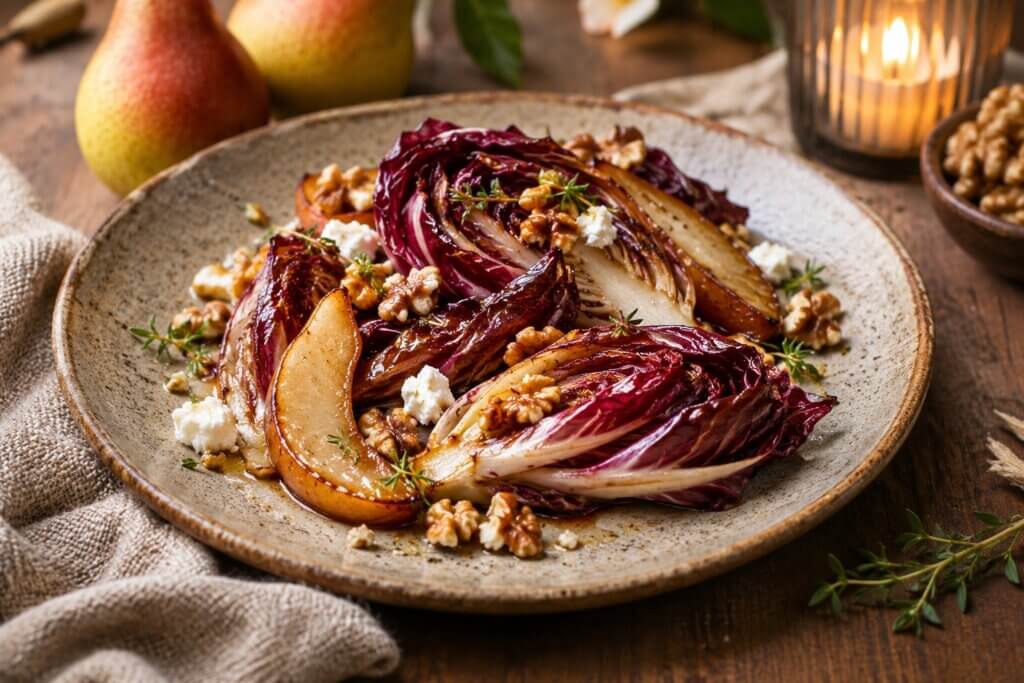
Recipe: Sautéed Radicchio with Pears and Walnuts
Ingredients for 2 people: 2 small heads of radicchio, 1 pear, 1 handful of walnuts, 2 tablespoons olive oil, 1 teaspoon honey, 1 tablespoon balsamic vinegar, salt, pepper, and a little goat cheese (optional)
Preparation: Quarterthe radicchio and sauté it vigorously in olive oil. Cut the pear into wedges and sauté briefly. Add the honey and balsamic vinegar and let everything caramelize slightly. Season with salt and pepper to taste, sprinkle with walnuts, and serve with a little goat cheese if desired.
Chicory: What Makes It the Perfect Winter Vegetable?
Chicory is one of those vegetables that’s particularly versatile in winter. Raw, it’s crisp and bitter; when sautéed or braised, its flavor becomes much milder.
Its boat-like shape also makes chicory ideal as an appetizer or finger food. If you’re new to its bitterness, it’s best to pair it with sweet fruits, nuts, or a creamy dressing.
Recipe: Roasted Chicory with Orange and Parmesan
Ingredients for 2 people: 4 heads of chicory, 1 orange, 2 tbsp olive oil, 30 g Parmesan, 1 tsp honey, salt, pepper
Preparation: Cut the chicory in half, place it in a baking dish, and drizzle with olive oil. Fillet the orange, mix the juice that comes out with honey, and pour it over the chicory. Season with salt and pepper and bake at 190 °C for about 20 minutes. Shortly before it’s done, grate Parmesan over the top and let it brown until golden.

Grapefruit: Healthy and Delightfully Tart
Grapefruit offers a combination of tartness, sweetness, and bitterness all at once. It’s a good source of vitamin C and various plant compounds, making it a perfect addition to winter salads or desserts.
However, there is one important thing to note: Grapefruit can affect the effectiveness of various medications. Anyone who takes medication regularly should therefore check whether grapefruit could cause any problems.
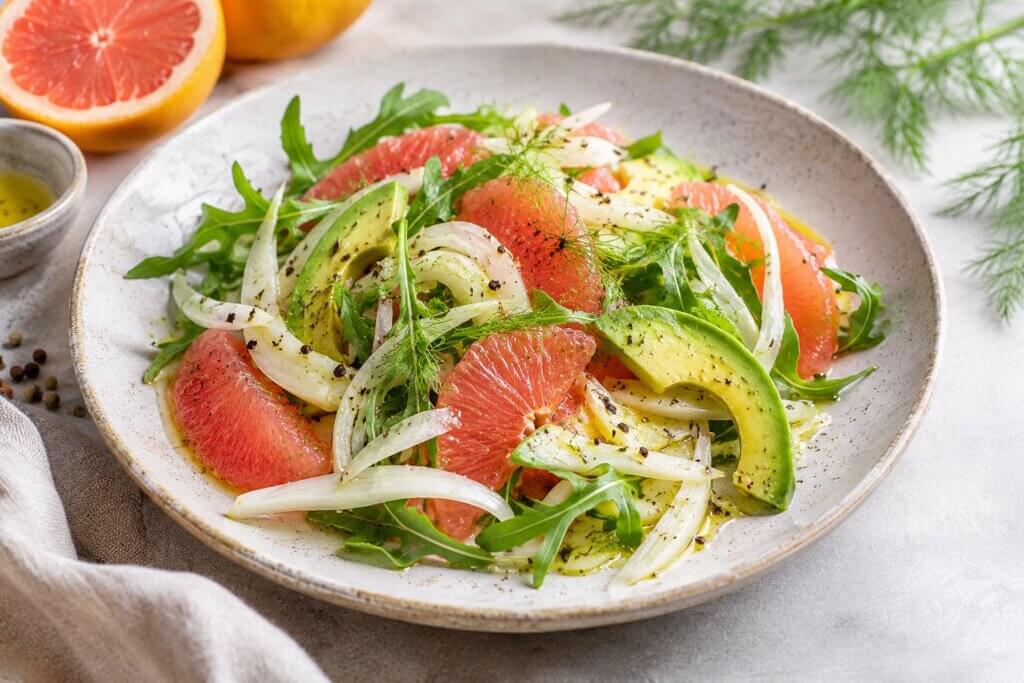
Recipe: Grapefruit Salad with Fennel and Avocado
Ingredients for 2 people: 1 grapefruit, 1 small fennel bulb, 1 avocado, 1 handful of arugula, 2 tbsp olive oil, 1 tsp honey, salt, pepper
Preparation: Filletthe grapefruit and collect the juice. Thinly slice the fennel, dice the avocado, and mix with the arugula and grapefruit. Whisk the grapefruit juice with olive oil, honey, salt, and pepper, then drizzle over the salad.
How can you reduce bitterness when cooking?
If you find radicchio and chicory too bitter, you can balance them out with complementary ingredients. Sweet fruits, honey, mild dairy products, nuts, or a good olive oil can round out the flavor. Heat can also alter the perceived bitterness.
The goal here shouldn’t be to make the bitter taste disappear completely. It’s precisely that slight bitterness that makes these foods interesting—and ensures that winter cuisine can sometimes taste fresh, light, and surprising.
Bitter Flavors Are Back in Style
Perhaps the current resurgence of bitter foods is also a small counter-trend to very sweet, very pleasing flavors. Radicchio, chicory, and grapefruit challenge the palate a bit—and that’s precisely what makes them so appealing.
If you pair them correctly, you’ll quickly discover that bitter is by no means the opposite of pleasure. Sometimes it’s precisely this flavor note that makes a dish truly exciting.
FAQ: The Most Important Questions About Bitter Substances
Bitter foods often contain phytochemicals, dietary fiber, and vitamins. However, your overall diet is what matters most—bitter compounds alone are not a miracle cure.
Among the best-known are chicory, radicchio, endive, grapefruit, arugula, artichokes, and some types of cabbage.
Bitter flavors can stimulate digestion and are traditionally associated with digestive processes. However, the effect varies from person to person.
Sweetness, acidity, and fat help balance bitterness. Orange, pear, honey, nuts, cheese, or a mild dressing work well.
Grapefruit can affect the efficacy of certain medications. Anyone who takes medication regularly should therefore check whether grapefruit is suitable for them.
Similar amounts:
Warming Foods: What Warms You From the Inside in Winter
Pumpkin: The Great Fall Favorite—Plus 3 Pumpkin Recipes
Grape Recipes: Small Berries with a Big History