
Elevation instead of heat, water security instead of drought stress, nature instead of paved surfaces: Climate change is increasingly altering the criteria for high-end real estate as well. The renowned Austrian platform for luxury real estate, PREMIUM-LIVING.COM, highlights which regions in Austria are benefiting, which international markets are becoming particularly attractive—and why, at the same time, the definition of luxury is changing.
Location, location, location—the most important rule in the real estate market is taking on a new dimension. Rising temperatures, an increasing number of hot days, and longer dry spells are increasingly changing what buyers consider to be a particularly good location. In the premium segment, factors such as a pleasant microclimate, elevation, a reliable water supply, proximity to forests and lakes, and an energy supply that is as self-sufficient as possible are taking center stage.
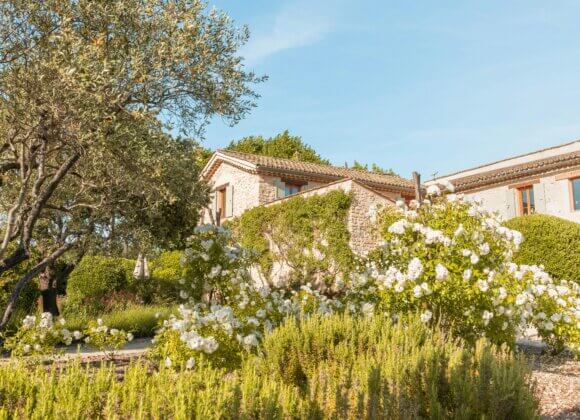
PREMIUM-LIVING.COM has observed a shift toward so-called “climate-winner regions”: Higher-altitude Alpine destinations, locations on stable Alpine lakes, or green, well-ventilated microclimates on the outskirts of cities are becoming more attractive compared to heavily paved and particularly heat-exposed locations.
“The concept of what defines a premium location is expanding significantly right now. Views, infrastructure, and exclusivity remain important—but more and more often, people are asking: How hot does it get here in the summer? Does it cool down at night? Is there enough green space and water? It is precisely these factors that are becoming increasingly relevant in long-term purchasing decisions,” says Bernd Gabel-Hlawa, CEO and founder of PREMIUM-LIVING.COM.
Austria: High-Altitude Areas, Lakes, and Green Microclimates Are Gaining Ground
Locations at elevations of approximately 800 to 1,000 meters above sea level are becoming particularly attractive. While tropical nights are on the rise in metropolitan areas, higher-altitude regions benefit more from nighttime cooling. Among the most sought-after Austrian markets are Kitzbühel, Kirchberg, and Jochberg; Zell am See and Kaprun; the Montafon and Arlberg regions; as well as Schladming and the Ausseerland.
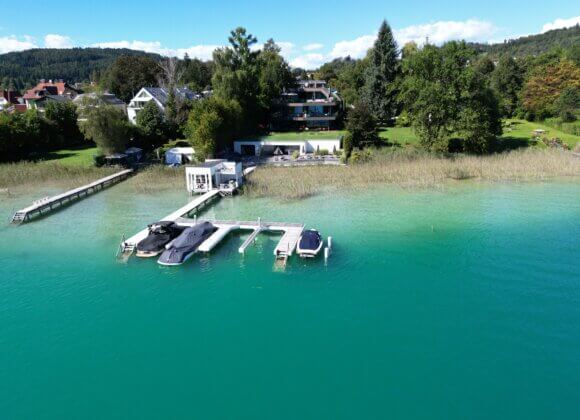
At the same time, water security is becoming increasingly important. Regions surrounding deep Alpine lakes and those with a stable supply of spring water are coming into sharper focus. These include, among others, Attersee and Traunsee, Millstätter See and Weißensee, as well as Wolfgangsee and Fuschlsee.
“We’re witnessing a renaissance of summer retreats, albeit under entirely new circumstances. In the past, it was primarily a matter of lifestyle. Today, there’s a very practical aspect to it: People are looking for places where they can expect a high quality of life, even in the long term,” explains Benedikt Gabriel, CEO and founder of PREMIUM-LIVING.COM.
In Vienna, too, the micro-location is key
This trend is by no means limited to vacation homes and second homes. Even within metropolitan areas, the quality of individual micro-locations is becoming increasingly diverse. In Vienna, for example, green and well-ventilated areas in Döbling, Währing, and Hietzing, as well as locations in the immediate vicinity of the Vienna Woods, are benefiting. In the surrounding areas, higher-elevation and heavily forested areas such as Hinterbrühl, Gießhübl, and Bad Vöslau are becoming more attractive.
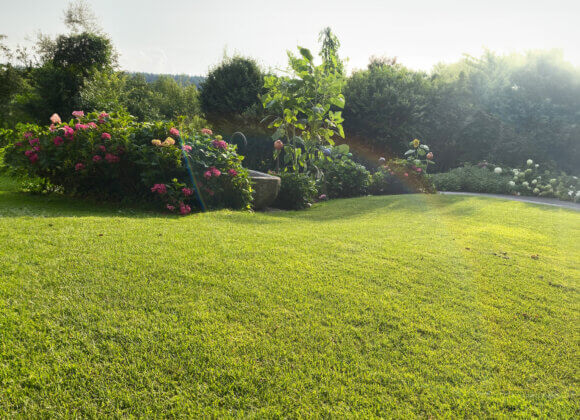
As a result, criteria that have often played only a minor role in traditional real estate appraisals are now gaining importance: the degree of land sealing, shading, air circulation, tree cover, slope, and proximity to larger green spaces.
“When it comes to high-quality real estate, it’s no longer enough to simply consider the building and the price per square meter. A thorough location analysis must also take the microclimate into account. Two properties can be located just a few kilometers apart and yet develop completely different qualities over the long term,” said Gabel-Hlawa.
Forest Living, Biophilic Design, and Self-Sufficiency: Redefining Luxury
It is not just the location that is changing—architecture and amenities are changing as well. Luxury is increasingly defined not just by prestigious materials, but by climate resilience, resource security, and smart planning.
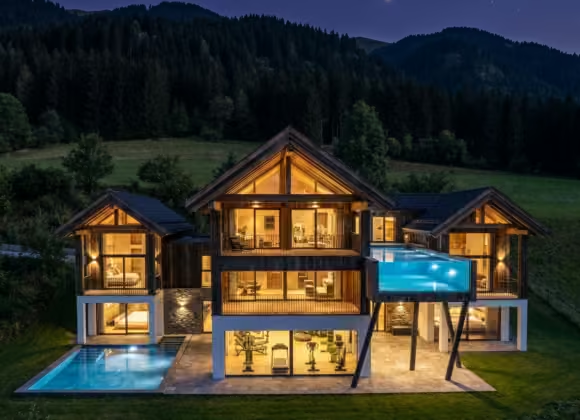
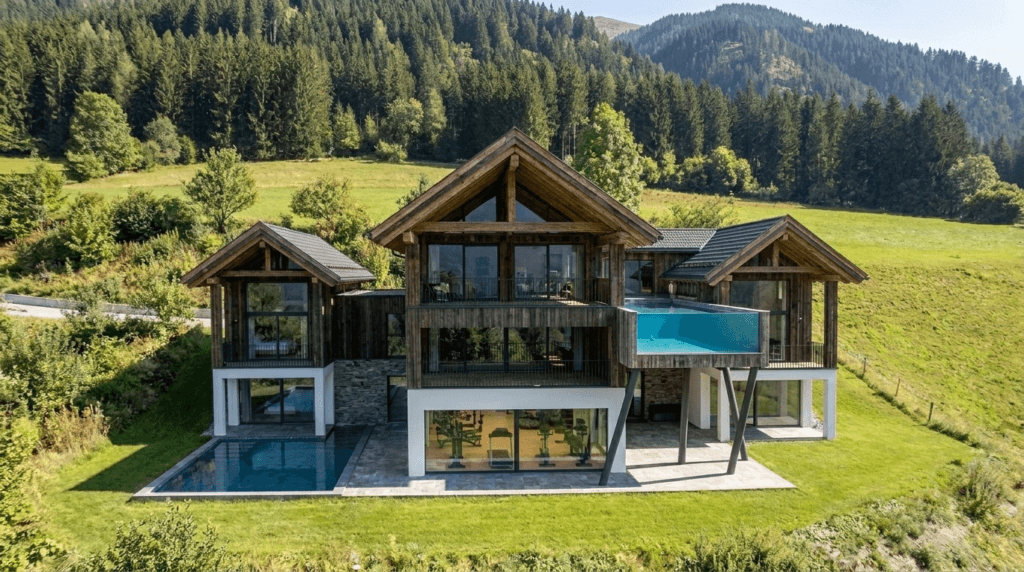
One of the defining trends is “Forest Living”: homes located in forests or on the edges of forests, featuring expansive glass surfaces, regionally sourced wood, and an architectural style that more closely connects indoor and outdoor spaces. At the same time, biophilic design is gaining importance. Green roofs and facades, landscaped courtyards, and water features are specifically incorporated to improve the microclimate around a building.
Self-sufficiency, too, is evolving from an additional ecological benefit into a premium feature. Rainwater management, photovoltaic systems with energy storage, geothermal energy, and smart cooling concepts are designed to make buildings more independent and resilient in the long term. Even the traditional pool is facing competition: natural pools and swimming ponds are integrating more seamlessly into the landscape and ecosystem.
“A property that stays comfortable in the summer without using a huge amount of energy, uses water wisely, and incorporates its surroundings into its architecture offers a quality that buyers increasingly appreciate,” says Gabriel.
PREMIUM-LIVING.COM Ranking: Five International Luxury Markets with Future Potential
The trend toward more climate-resilient locations has long been evident internationally. PREMIUM-LIVING.COM has identified five markets that, due to their climatic and geographic conditions, are attracting particular attention from affluent buyers:
1. Scandinavia and the Nordic Countries
Sweden, Norway, and Finland are popular destinations thanks to their vast freshwater reserves, expansive natural landscapes, and comparatively mild summers. The archipelagos off Stockholm and Gothenburg, the fjord region around Bergen, and the Finnish Lake District are particularly in demand.
2. The Alpine Regions of Austria and Switzerland
Alpine destinations in Central Europe are increasingly evolving from traditional winter sports destinations into premium year-round destinations. Kitzbühel, the Salzkammergut, the area around the Red Bull Ring, and St. Moritz combine infrastructure with high-altitude locations, nature, and summer coolness.
3. The Baltic States—especially Estonia
Moderate climate forecasts, dense forests, the Baltic Sea coast, and a highly digitized infrastructure are making Tallinn, Pärnu, and the island of Saaremaa increasingly attractive to international buyers.
4. The Great Lakes region in the USA and Canada
The vast freshwater reserves and summers that are milder than in the southern US states make the Great Lakes region a potential retreat market. On the Canadian side, Muskoka in Ontario, for example, is one of the established, high-end cottage regions.
5. Hokkaido and the Japanese Alps
Compared to many other luxury destinations in Asia, northern Japan enjoys a significantly milder summer climate. Niseko, in particular, has increasingly evolved from a classic ski destination into an international year-round luxury destination.
From a Second Home to a Climate Refuge
At the same time, another shift is taking shape: the traditional weekend home is increasingly becoming a fully equipped second home that can be used year-round. High-quality infrastructure and opportunities for remote work make it possible to spend extended periods of time at a second residence—such as spending the particularly hot summer months in a cooler alpine region or near a lake.
For PREMIUM-LIVING.COM, one thing is clear: Climate change is not only reshaping the map of sought-after real estate locations. It also directly influences what buyers will come to understand as quality of life and luxury in the future: nature, water, cool nights, green spaces, energy efficiency, and long-term location quality are becoming an increasingly important part of a property’s value.