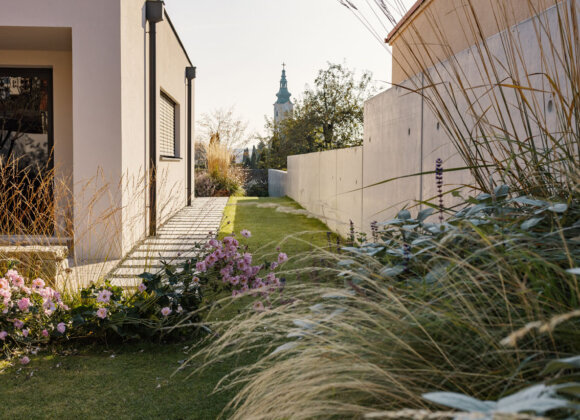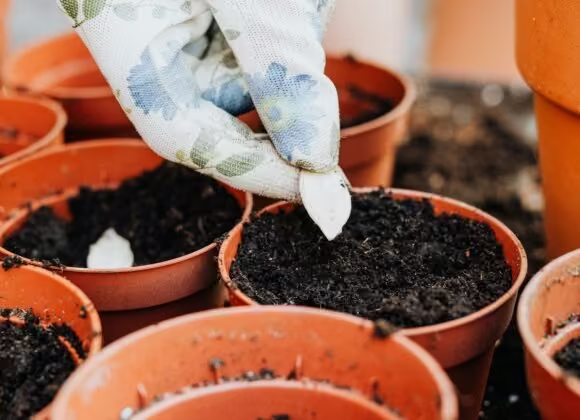

Climate change is also noticeably altering our gardens: long periods of drought, hot summers, heavy rainfall and mild winters pose new challenges for plants. What used to be considered easy to care for is now often reaching its limits. Anyone planting a new garden or redesigning existing beds should therefore opt for climate-friendly plants. They can cope better with the changed conditions and will ensure a green, flowering garden in the future.
What does “climate fit” mean?
Climate-ready means that plants and garden concepts are adapted to the consequences of climate change. This includes in particular:
- High heat tolerance
- Good drought tolerance
- Resistance to heavy rain
- Adaptability to mild winters and extreme weather conditions
- Lower water requirement
- Robustness against pests and diseases
Climate-friendly gardens are more closely aligned with natural cycles. They store water better, provide shade, promote biodiversity and require significantly less maintenance than traditional ornamental gardens with high irrigation requirements.
When is a garden considered climate-ready?
A climate-fit garden is not just about the right plants. The interplay of various factors is crucial.
A garden is considered climate-ready if it:
- Stores rainwater in the soil for as long as possible
- Sealed surfaces reduced
- Different plant species combined
- Creating shady spots
- provides a habitat for insects and birds
- Even longer dry periods without intensive watering
A living soil is particularly important. Mulch layers, ground cover and compost help to retain moisture and make the soil more resistant to heat and drying out.
Why classic garden plants are increasingly experiencing problems
Many popular garden plants originate from regions with more balanced rainfall and moderate temperatures. Shallow-rooted species in particular suffer from long periods of drought.
Lawns often require enormous amounts of water in summer, while some hydrangeas, rhododendrons or sensitive conifers visibly weaken in the heat and when there is a lack of water.
The future therefore belongs to plants that are naturally adapted to dry and hot locations.
These perennials make your garden climate-ready
Perennials form the backbone of many gardens. Some species are already showing how well they can cope with the changed conditions.
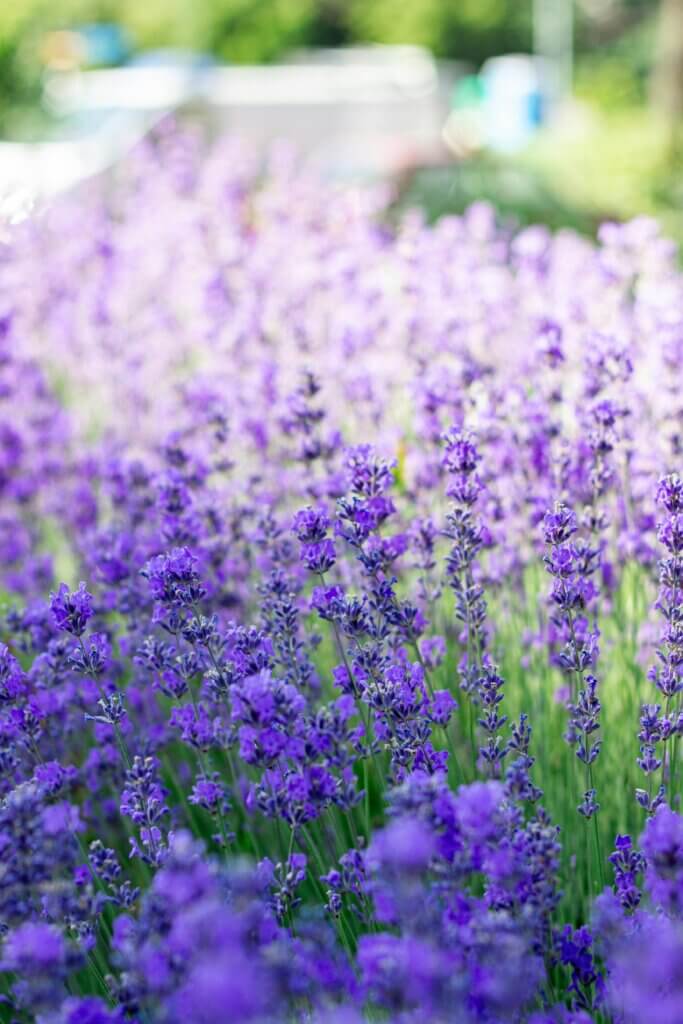
Lavender: Mediterranean perennial bloomer for dry locations
Lavender loves sun, heat and well-drained soil. Once it has grown, it requires little water and attracts bees and butterflies.
Steppe sage: colorful despite drought
The robust steppe sage impresses with its long flowering periods and high resistance. Even hot summers hardly affect its joy of flowering.
Sun hat: heat-resistant and insect-friendly
Both the purple coneflower and the yellow coneflower are among the winners of climate change. They tolerate drought well and provide valuable food for pollinators.
Stonecrop: specialist for extreme conditions
Stonecrop stores water in its leaves and can even survive longer dry periods without any problems. It is also ideal for gravel gardens or green roofs.
Climate-friendly shrubs for the coming decades
Shrubs provide structure and shade in the garden. Some species are considered particularly future-proof.
Rock pear: beautiful, robust and ecologically valuable
The rock pear scores with its flowers, edible fruit and bright autumn colors. At the same time, it is extremely resistant to drought.
Cornelian cherry: an early bloomer with a future
Cornelian cherry, also known as Dirndl, tolerates both heat and frost and is a valuable shrub for natural gardens.
Wig bush: heat-loving eye-catcher
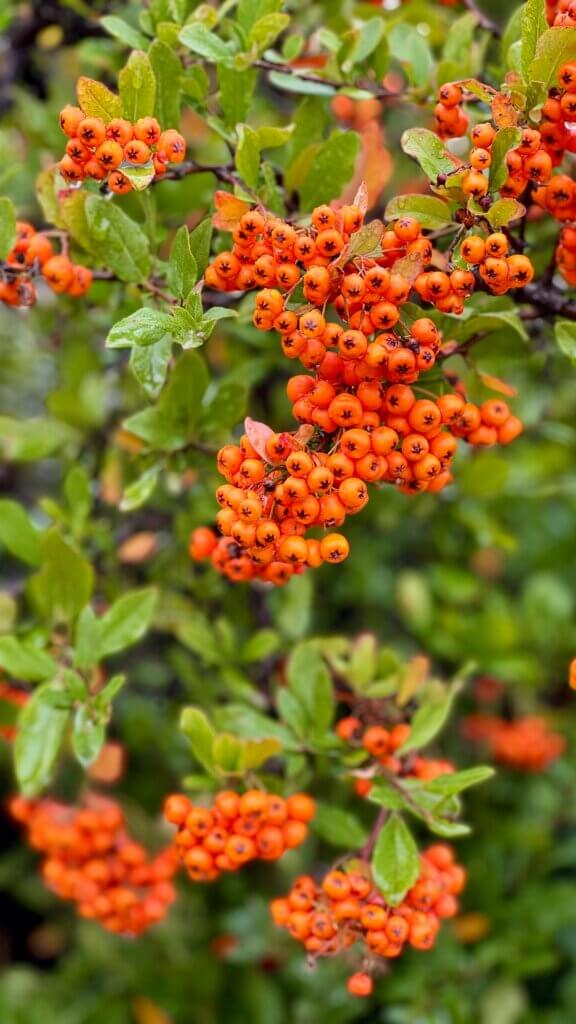
With its eye-catching fruit clusters and drought tolerance, the wig shrub is one of the most interesting shrubs for climate-appropriate gardens.
Which trees are better able to withstand climate change
Trees play a central role in the microclimate in the garden. They provide shade, cool the environment and improve the air quality.
Field maple: the robust all-rounder
The field maple is considered one of the most adaptable native trees. It tolerates drought much better than many other maple species.
Hop hornbeam: A tree of the future for Central Europe
The hop hornbeam originally comes from warmer regions of Europe and is increasingly being recommended by experts as a climate-resistant alternative.
Service tree: native tree with high resistance
The rare service tree copes extremely well with heat and drought and will therefore become even more important in the future.
Mediterranean plants conquer our gardens
Due to rising temperatures, more and more plants from southern regions are also feeling at home in Austria. Particularly promising are:
- Olive willow
- Fig
- Rosemary
- Thyme
- Sage
- Rockrose
In sheltered locations, these plants can already thrive amazingly well and lend the garden a Mediterranean flair.
Less lawn, more variety: how to make your garden climate-friendly
One of the most effective measures is to reduce large areas of lawn. Instead, drought-tolerant perennials, flowering meadows, ground cover and native shrubs ensure more biodiversity and significantly lower water consumption. Combining different plants with different root depths also creates a more stable ecosystem that is better able to compensate for extreme weather conditions.
After all, the coming decades will present garden owners with new challenges. Those who opt for robust, drought-tolerant and diverse planting today will save water, maintenance and costs in the long term.
If you want to make your garden ready for the future, you’ll find a great selection of hardy, drought-tolerant plants here for every location:
*Disclaimer: Links marked with * are affiliate links. If you buy something via these links, MYHOME.AT receives a commission. There are no additional costs for you.
Related posts: