
Collagen is one of the biggest beauty topics at the moment. Influencers on TikTok drink collagen drinks every day, stir powder into their morning coffee or swear by so-called “glow foods” for firmer skin. At the same time, traditional dishes such as long-cooked soups or stews are suddenly making a surprising comeback. The big question behind this: Can you actually eat collagen – and visibly improve your skin as a result?
In fact, nutrition plays a much bigger role in our skin than many people think. While there are no foods that simply make wrinkles disappear, certain nutrients can help the body to build up collagen and keep the skin elastic and hydrated for longer.
Why collagen is so important in the first place
Collagen is the most important structural protein in our body. It ensures that the skin remains firm, plump and elastic. It also plays a crucial role for joints, bones, hair and nails.
With increasing age, however, the body produces less and less collagen. The first changes often begin as early as the mid-20s: the skin slowly loses its elasticity, fine lines become more visible and the face looks less “fresh” overall than it used to.
External factors also accelerate the breakdown of collagen. UV radiation in particular is considered to be one of the biggest collagen killers of all. Smoking, lack of sleep, chronic stress and a diet high in sugar can also significantly increase skin ageing.
Can you really eat collagen?
In part, yes. Certain foods contain natural collagen components or provide important building blocks that the body needs for its own collagen formation.
Bone soup is particularly trendy at the moment. It is celebrated on social media as a beauty drink, and the reason for this is simple: collagen and gelatine are released when bones and connective tissue are cooked for a long time. At the same time, the soup provides amino acids and minerals that are important for the body.
Fish has also been considered a real beauty food for years. Fish skin in particular contains natural collagen. Fatty varieties such as salmon or mackerel also provide omega-3 fatty acids, which have an anti-inflammatory effect and can support the skin barrier. This is precisely why salmon bowls or so-called “glow meals” are currently appearing so frequently on social media.
Equally interesting are slow-cooked dishes, which used to be a natural part of many cuisines. Long-cooked meat, tendons or connective tissue also contain natural collagen components – today such dishes are suddenly being rediscovered as “beauty food”.
Even more important than collagen itself: The skin really needs these substances
At least as important as collagen-containing foods are the nutrients that the body needs to build up collagen itself.
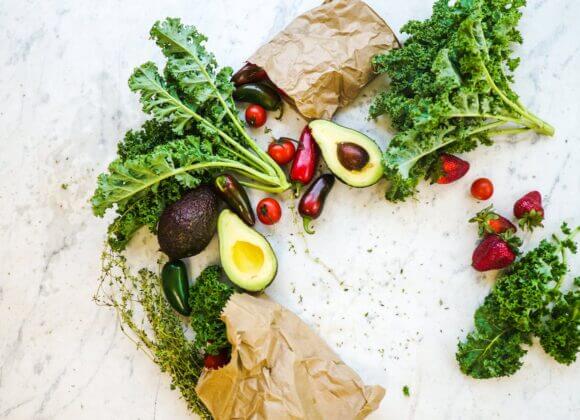
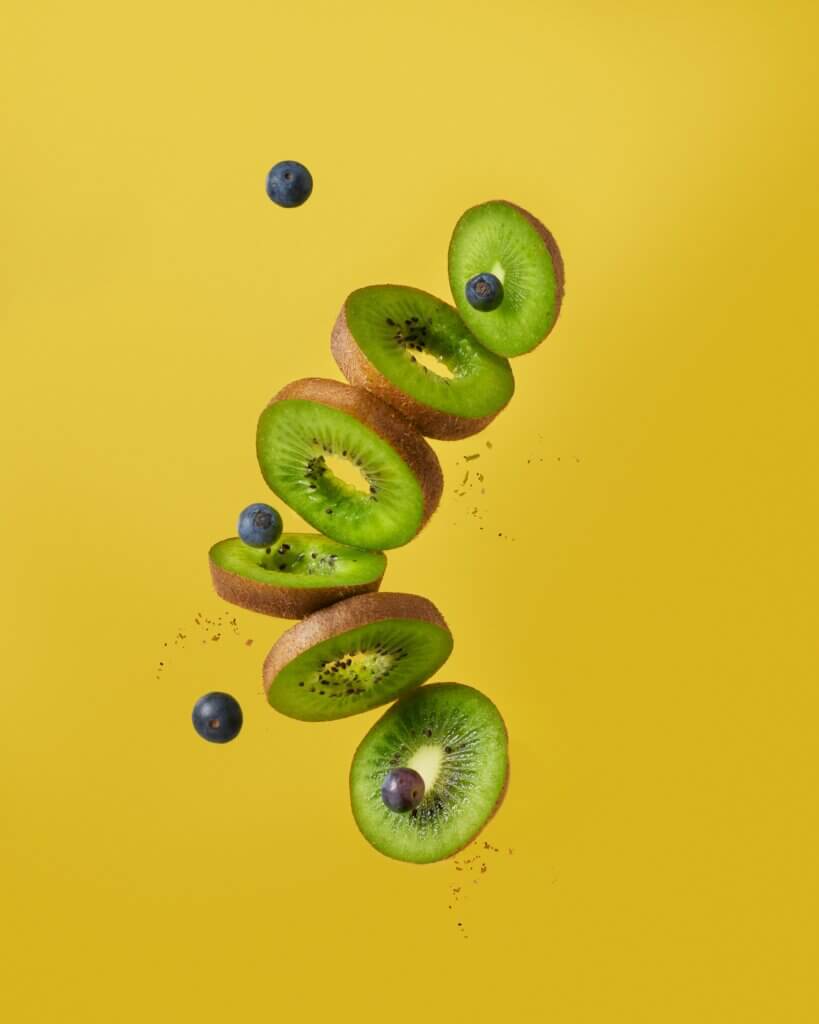
Vitamin C plays a particularly important role here. Without vitamin C, the body can hardly produce collagen. This is precisely why foods such as peppers, kiwis, berries and citrus fruits are considered to provide important support for the skin.
Sufficient protein is also crucial. Collagen consists of amino acids – and the body obtains these from protein. Foods such as eggs, yoghurt, curd cheese, pulses, fish and tofu provide precisely these building blocks. The current high-protein trend therefore also has a lot to do with skin health.
Trace elements such as zinc and copper also play a role. They are found in nuts, pumpkin seeds and wholegrain products, for example, and support various skin renewal processes.
What harms the skin
While some foods can support the skin, there are also factors that downright destroy collagen. Intense UV radiation is particularly problematic. Dermatologists therefore repeatedly emphasize that daily sun protection is much more important than many expensive beauty products.
Smoking, lack of sleep and chronic stress also accelerate the breakdown of collagen. In addition, a diet very high in sugar is repeatedly criticized because sugar can damage collagen fibres. Experts speak of a kind of “saccharification” of the skin structures, which causes the skin to lose elasticity in the long term.
How useful are collagen powders and drinks?
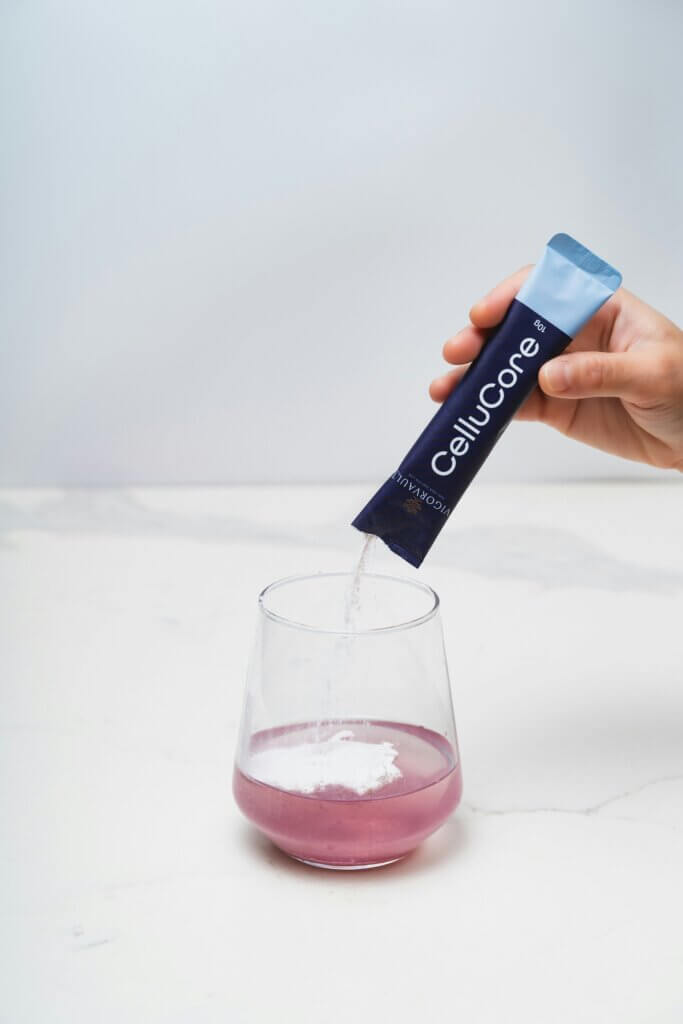
The market for collagen products is currently growing rapidly. Powders, beauty drinks or collagen shots, which are to be consumed daily, are particularly popular.
Studies now show that hydrolyzed collagen can improve skin hydration and elasticity. However, it is important to have realistic expectations. Collagen is not an instant anti-ageing miracle.
However, many people report that their skin appears more hydrated, smoother and generally fresher after a few weeks. Powders in particular are currently popular because they usually have a higher dosage and are cheaper than gummies or beauty candies.
If you use such products, you should make sure they contain hydrolyzed collagen, as little sugar as possible and ideally additional vitamin C.
Related posts:
Food against inflammation: What science can do – and what it can’t