
Spring cleaning can also be done without aggressive cleaners. In addition to vinegar and baking soda, there are many underestimated helpers that have long been in the kitchen, bathroom or pantry – cleaning without chemicals and without extra purchases.
Spring is here – and with it that moment when you can suddenly see every layer of dust, every window looks “a bit milky” and the kitchen urgently calls out for freshness. But who says you need an arsenal of chemical bottles for this?
In fact, many of the best cleaning helpers are already in the house. Not necessarily the usual suspects – but the things you don’t even think about at first.
Here are eight surprising remedies for a spring clean that is gentle, sustainable and surprisingly effective.
Black tea – shine for windows and parquet
Sounds like breakfast, but it works like a finish for surfaces: Cooled black tea is ideal for polishing glass and wooden floors. The tannins have a slightly degreasing effect and ensure a streak-free shine.
Ideal for: Windows, mirrors, oiled parquet.

Potato water – the secret trick against dull tiles
Potato cooking water contains starch that binds dirt and gently brightens surfaces. Simply leave to cool, apply with a cloth and wipe clean.
Ideal for: Kitchen tiles, matt floors.
Cucumber peelings – stainless steel care from the vegetable drawer
The inside of cucumber peels is perfect for polishing fittings. It removes light traces of limescale and leaves a fresh shine.
Ideal for: Taps, sinks, stainless steel surfaces.
Cornstarch – the professional against grease stains and carpet marks
Corn starch binds grease and moisture. Sprinkle onto upholstery or carpet, leave to work, vacuum.
Ideal for: Sofa, carpet, car seats.
Newspaper – better than any microfiber cloth
Not new, but underestimated: newspaper cleans glass streak-free because the ink has a slightly degreasing effect. All those who have a fireplace at home can no longer do without this trick.
Ideal for: Windows, mirrors, glass tables.
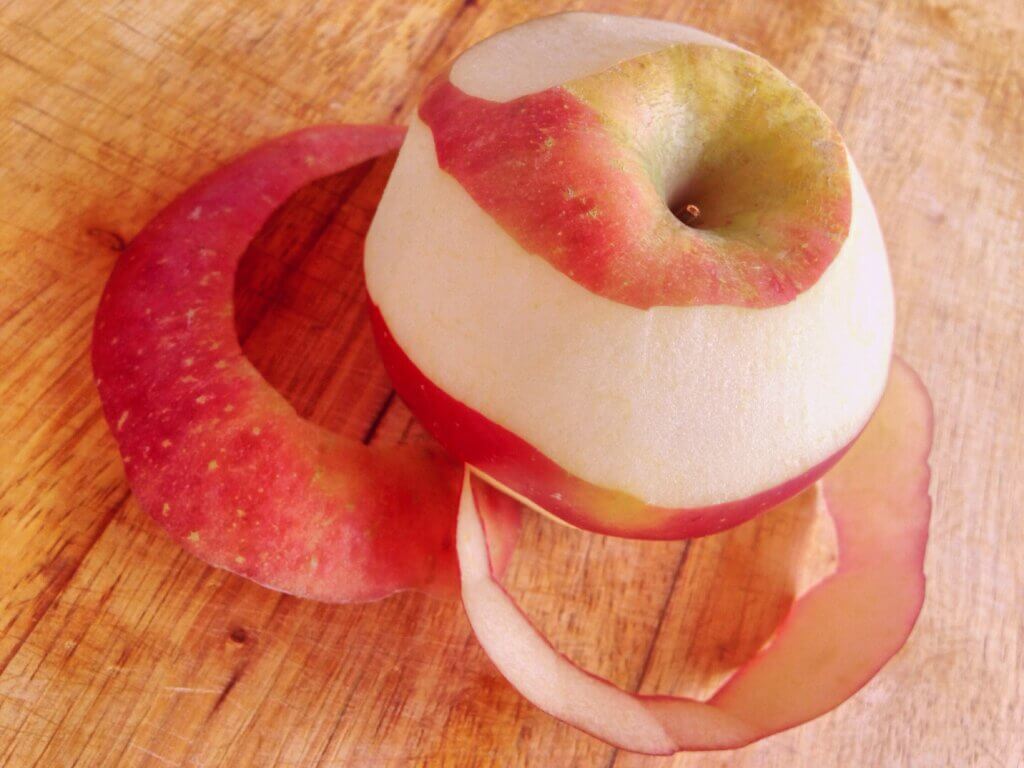
Apple peel – fragrance and freshness for the fridge
Apple peels absorb odors surprisingly well. Simply place a small bowl in the fridge – without any chemical deodorant.
Ideal for: Refrigerator, larder unit.
Salt – the power agent for wooden boards
Wooden chopping boards absorb odors and discoloration. Rubbing coarse salt with half a lemon (or just pure salt) has an antibacterial and neutralizing effect.
Ideal for: Chopping boards, mortars.
Washing water from pulses – natural fat solvent
The water used to drain chickpeas or beans contains saponins – plant-based soaps. In the past, this was actually used for washing up – and today it is a real insider tip.
Ideal for: slightly greasy kitchen surfaces, hands after cooking.
Spring cleaning doesn’t have to be expensive or aggressive. Many of the most effective helpers are not special cleaners, but kitchen scraps, classic household items or old household tricks that can be rediscovered. And by the way, the result is a home that doesn’t smell of “cleaning products” but of freshness.
FAQ: Cleaning without chemicals – the most important questions & answers
Absolutely! Many natural home remedies are amazingly effective because they rely on physical or plant-based active ingredients. Starch from potato or legume water binds dirt, tannins in black tea have a slightly degreasing effect, corn starch absorbs grease and moisture. In most cases, these products are completely sufficient for everyday spring cleaning.
Different depending on the surface: black tea ensures a streak-free shine on windows and parquet, potato water refreshes dull tiles, cucumber peel polishes stainless steel, salt cleans wooden cutting boards, and cornstarch removes grease stains from carpets and upholstery.
Yes, because the home remedies presented in this article are mainly used in the kitchen and do not involve aggressive chemicals. This significantly reduces residues on surfaces and intense odors – an advantage for sensitive households with children or pets.
Cleaning with household products is particularly sustainable because no additional cleaning products need to be purchased. This saves packaging, conserves resources and reduces chemicals in the household – all in the spirit of conscious, sustainable living.
It is important to use home remedies in a targeted and surface-friendly manner. Wood and sensitive materials should not be cleaned too wet, and starch or salt should always be removed thoroughly. In addition, less is more – home remedies work gently but effectively if they are used correctly.
Related posts: