
Whether it’s a small city apartment or a spacious living area, modular furniture adapts to the needs of its users and evolves as their lives change. Interior designer Stefanie Winter explains why well-designed modular systems are much more than just a furnishing trend and what really matters when choosing them.
Flexibility, functionality, and timeless design don’t have to be mutually exclusive. Modular furniture offers customized solutions for a wide variety of living situations and helps keep things organized without sacrificing aesthetics. In an interview, Stefanie Winter from “S.tefanie. interior.studio” in Graz reveals how modular interior design concepts can transform spaces—and how they differ from multifunctional furniture.
Ms. Winter, let me start by asking: What is modular furniture, and how does it work?
Modular furniture consists of individual elements that can be flexibly combined, expanded, or rearranged. You can think of it as a modular system. In other words: A shelf grows with you, a sofa can be expanded, and storage furniture can be adapted to new needs. For me, that’s exactly where the big advantage lies, because modular furniture is designed with change in mind. It adapts to your life—not the other way around.
For which types of apartments is modular furniture particularly well-suited?
Modular furniture is particularly useful in homes where rooms have to serve multiple purposes. This applies to small city apartments as well as open-concept living spaces, loft apartments, and family homes that change over the years.
They help create order and structure without unnecessarily cluttering spaces. Especially in areas where every square meter must be carefully planned, modular solutions can bring a great sense of calm and help define different zones.
What kinds of modular furniture are available?
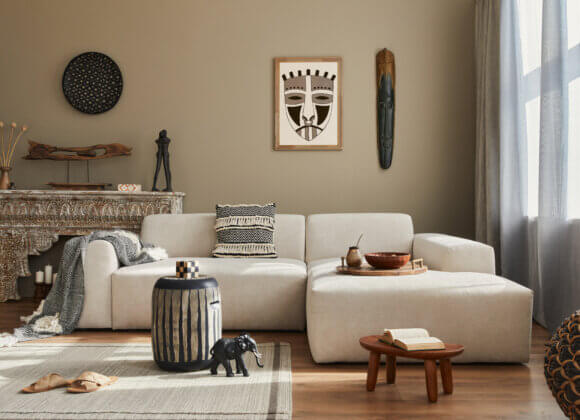
Modular shelving systems, cabinet solutions, and sofas are the classic examples. But now there are also modular sideboards, coat racks, home office solutions, kitchen modules, children’s room furniture, and outdoor furniture.
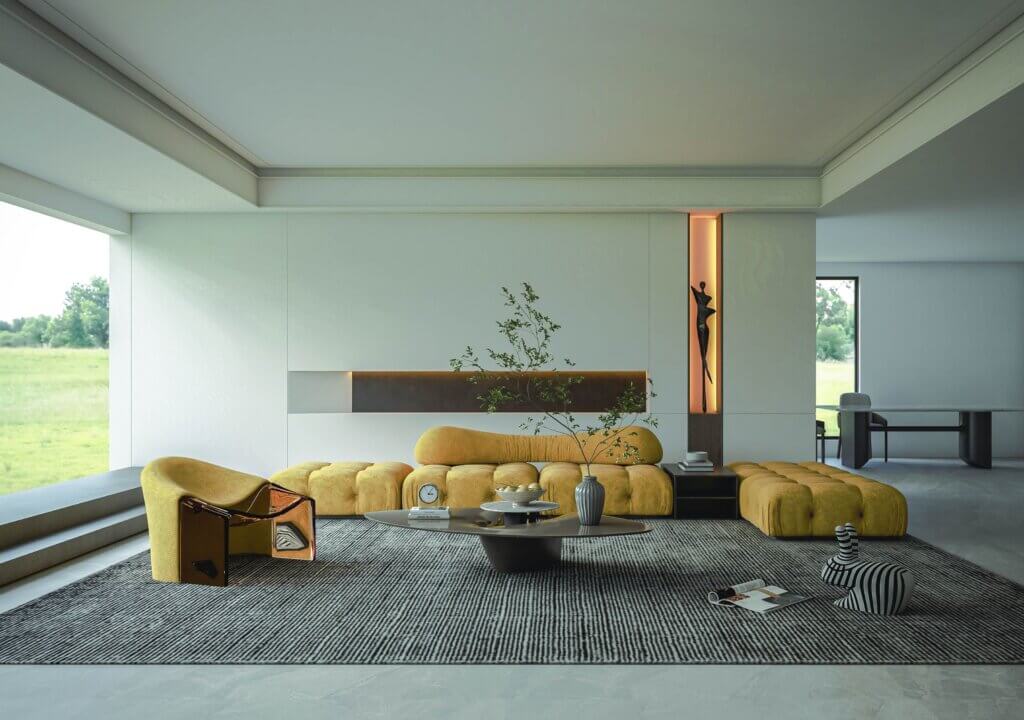
It’s important to note that modularity alone is not a mark of quality. A piece of furniture must fit the space, the architecture, and people’s everyday lives. Examples include the Edra “The Rock” sofa, the Living Divani design by Piero Lissoni from 2008, the Sklum Dojans modular sofa, the Vetsak Sofa Set 09, or Tschibo’s metal Cn3 and the high-end version of the USM Haller E2 sideboard. Or the modular system from Tylko.
How do I put together modular furniture the right way?
I would never choose modular furniture based solely on function. What really matters are proportions, materials, color, and the overall effect in the room. Balance is especially important when it comes to shelves and storage solutions.
Open areas for personality, enclosed spaces for tranquility. When everything is visible, a room can quickly feel chaotic. When everything is enclosed, it often lacks vitality. A good modular solution doesn’t look like it was put together haphazardly, but rather feels natural.
Is modular furniture also suitable for small apartments?
Yes, very much so—small apartments in particular benefit from this, because modular furniture can make good use of available space, niches, and ceiling heights, which in turn allows for the creation of different zones.
But small rooms don’t just need more storage space—they need better planning. It’s not about cramming every centimeter full. A small room looks bigger when the furniture is understated, clean-lined, and well-proportioned.
What is the difference between modular and multifunctional furniture?
Modular furniture can be reconfigured. It consists of individual elements that can be added to, removed, or combined in different ways.
Multifunctional furniture serves multiple purposes in a single piece, such as a sleeper sofa, an extendable table, or a bed with storage space.
Both can be useful. The difference is that modularity changes the structure, while multifunctionality changes the way it is used.
Modular Furniture: Our Expert

For this Graz native, home is the visible expression of our personality. She designs spaces that bring clarity, tell stories, and help people feel truly at home. With a keen sense of color, materials, and atmosphere, she transforms houses and apartments into favorite places full of character.
Website: www.stefanie.studio
Instagram: @s.tefanie.interior.studio
Related posts:
Time travel to a living paradise: The charm of retro furniture
Furniture care: how to keep your furniture looking good for a long time
Furnishing a Small Apartment: One Room, Three Functions