Windowsill farming: fresh ingredients from the mini garden
16. April 2026
3 Mins read
Fresh herbs, crisp salads and aromatic greens straight from your own kitchen – what was long considered a nice gimmick is increasingly becoming a small trend in everyday urban life. The term “windowsill farming” is used by food and garden lovers to describe the cultivation of edible plants on the windowsill. Particularly in cities, where there is often no balcony or garden, the windowsill is becoming the smallest form of your own vegetable garden.
The advantage is obvious: many herbs and some vegetables grow surprisingly well even in just a few square centimetres. A bright spot, regular watering and a little patience are often enough to harvest fresh ingredients for everyday cooking. Especially for people who love to cook, the windowsill can become a living pantry.
Which plants are suitable for windowsill farming?
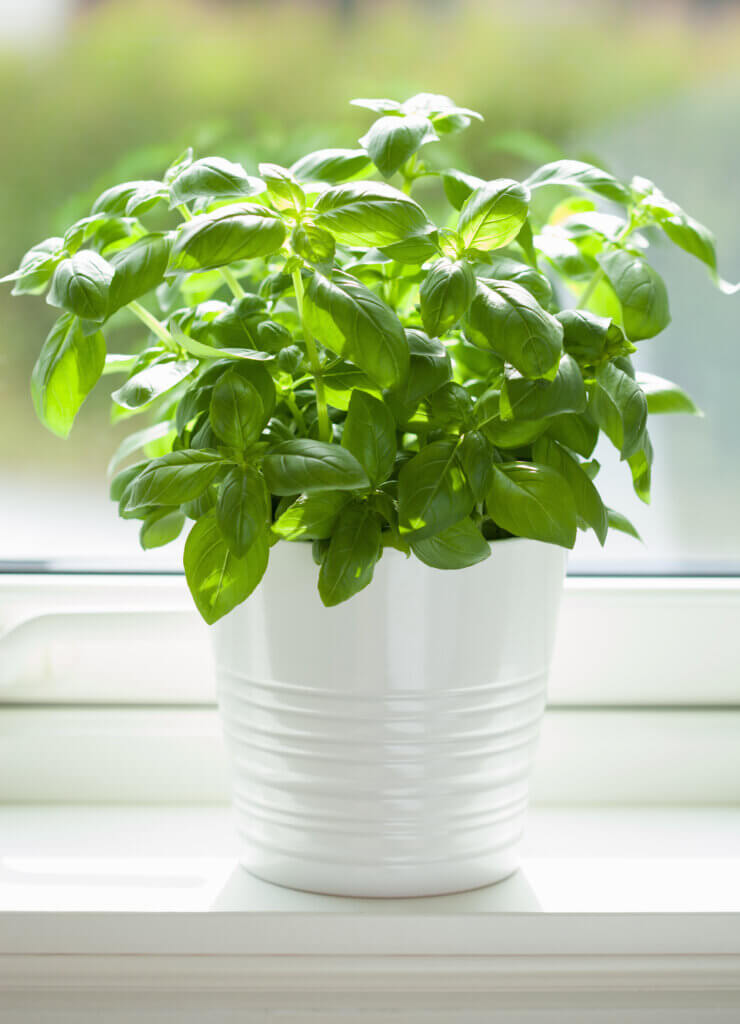
Basil Basil is one of the most popular culinary herbs and feels particularly at home in a bright, warm window. Regular watering is important – but without waterlogging. Harvesting the shoots regularly ensures that the plant grows back bushy.
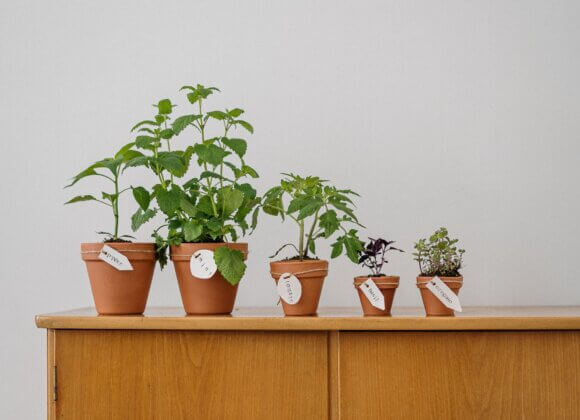
Has a permanent subscription for the windowsill: the basil.
Chives Uncomplicated and ideal for beginners. The plant grows back quickly and can be cut fresh again and again. A sunny location ensures particularly aromatic stalks.
Parsley Austria’s favorite herb germinates a little more slowly, but its intense aroma makes up for the time it takes. Smooth-leaved varieties in particular are robust and can be cultivated well on the windowsill.
Cress The classic among windowsill plants – and probably the quickest success. The first tender leaves can be harvested after just five to seven days. It even grows on damp kitchen paper or absorbent cotton.
Mint Mint is surprisingly robust and also thrives indoors. Its fresh leaves are suitable for tea, desserts or summer drinks.
Small vegetables are also possible
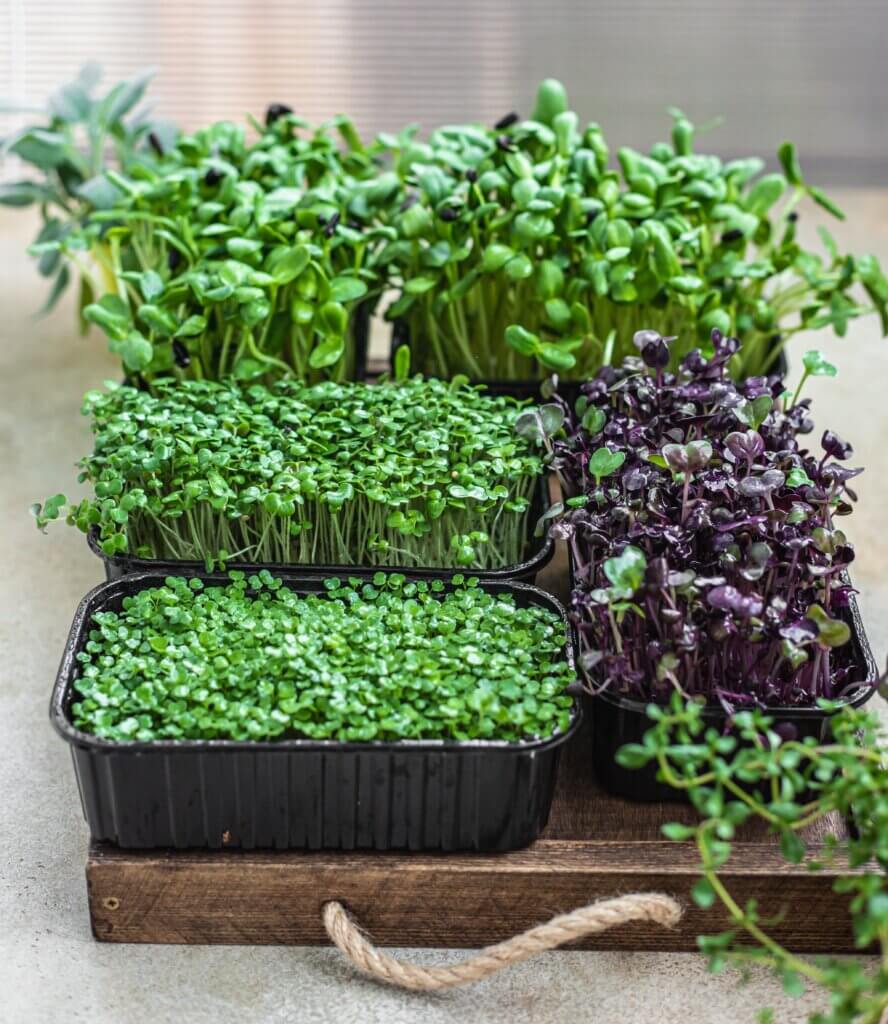
In addition to herbs, you can even grow some vegetables on the windowsill: Radishes grow relatively quickly and only require small planters. Baby lettuce is also suitable, as only the outer leaves are harvested and the plant continues to grow. Microgreens – young seedlings of peas, broccoli or rocket – are particularly popular at the moment, as they are aromatic, nutritious and ready to harvest after just 10 to 14 days.
Colorful, varied, very healthy and perfect for windowsill farming – microgreens.
The most important requirementsfor windowsill farming
Light Most herbs need at least four to six hours of daylight. A window facing south or west is ideal.
The right soil Loose herb or vegetable soil ensures that water can drain off easily and the roots get enough air.
Regular watering Plants on the windowsill dry out more quickly than in the garden. Consistent moisture is therefore more important than large amounts of water at once.
However, if you want to turn your windowsill into a small herb oasis, it is better to use several smaller pots instead of one large box. This makes it easier to replace plants and keeps the kitchen supplied with fresh herbs and delicate greenery all year round.
FAQ: Windowsill farming
Which windowsill is best for herbs and small plants?
South or west-facing windows are best, as they receive several hours of daylight. Many kitchen herbs need at least four to six hours of light a day. Plants also grow in north-facing windows, but much more slowly.
Which plants grow particularly quickly on the windowsill?
The fastest plants include cress, microgreens, radishes and baby lettuce. Cress can often be harvested after just five to seven days, microgreens after around 10 to 14 days.
Do plants on the windowsill need special soil?
Normal potting soil generally works, but loose herb or vegetable soil is more suitable. It contains less fertilizer and ensures that water can drain away easily – important to prevent the roots from rotting.
How often should you water herbs on the windowsill?
This depends on the plant, pot size and sunlight. As a general rule, the soil should be slightly moist but never wet. In spring, watering once a day or every two days is often sufficient.
Is it possible to grow vegetables on the windowsill?
Yes, but rather small or fast-growing varieties. Radishes, baby lettuce, microgreens or small chili plants are well suited. Larger vegetables such as tomatoes usually require significantly more space and light.
A new house that wasn’t meant to look new. An open, square courtyard built with materials that are allowed to age. And a real estate professional who’s in the barn at the crack of dawn today before heading to his office in Vienna: How Stephan Altenburg and his family have created a new way of …
Not everyone is happy about the falling leaves; for some, they’re just a chore. Yet leaves in the garden are a real treasure that’s worth gathering in the fall. Why are leaves important? Leaves are definitely not waste; rather, they are extremely valuable. They provide nutrients that improve soil quality, protect the soil from temperature …
Hardly any other vegetable is as synonymous with fall as pumpkin. It can taste creamy, nutty, sweet, or spicy; it works just as well roasted in the oven as it does in a curry—and it even makes a surprisingly good addition to cakes. Which varieties are best for what, when you can eat the skin, …
SIE WOLLENNICHTSMEHR VERPASSEN?
Unser kostenloser Newsletter liefert Ihnen wöchentlich die neuesten Artikel rund ums Wohnen & Leben.
SIE WOLLENNICHTSMEHR VERPASSEN?
Unser kostenloser Newsletter liefert Ihnen wöchentlich die neuesten Artikel rund ums Wohnen & Leben.
SIE WOLLEN
NICHTS MEHR VERPASSEN?
Unser kostenloser Newsletter liefert Ihnen wöchentlich die neuesten Artikel rund ums Wohnen & Leben.