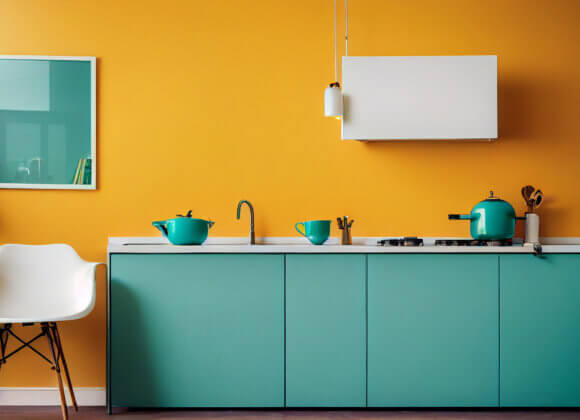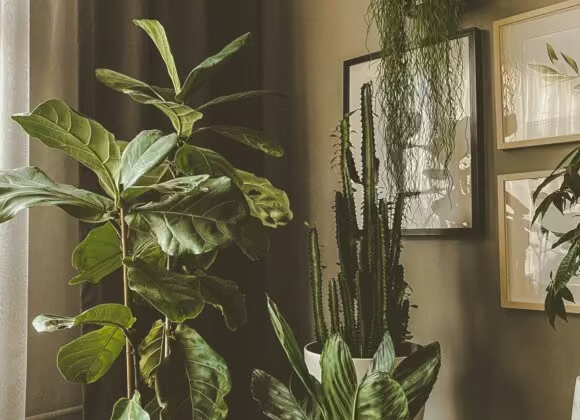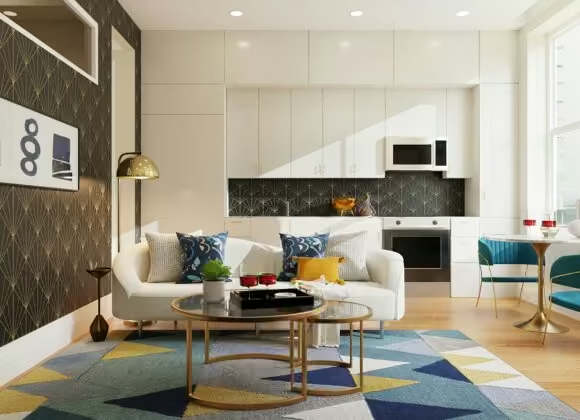

For a long time, living spaces were the stage for restraint – beige, greige or Scandi minimalism. But now a trend is taking hold that quietly shatters conventions and shouts “More!”: more color, more personality, more emotion. The phenomenon is called dopamine decor – named after the neurotransmitter in our brain that is responsible for motivation, drive and happiness. What began on social media is increasingly becoming an attitude in interiors Design. It’s not about off-the-peg trends, but about spaces that touch.
What is Dopamine Decor? Definition and meaning of the living trend
Dopamine Decor describes an interior design style that focuses on positive emotions. Colors, patterns, materials and personal objects are combined in such a way that they trigger immediate joy. While minimalism often preaches reduction, this approach celebrates individuality.
Psychologists point out that visual stimuli – especially strong colors – can have a measurable influence on mood and energy levels. Yellow has a stimulating effect, blue has a calming effect and green has a balancing effect. At a time when, according to studies, over 80 percent of Europeans define their home as their most important place of retreat, this emotional dimension is becoming increasingly important. Dopamine Decor is therefore less about style and more about strategy: how do I want to feel when I enter a room?
Colors in Dopamine Decor: Courage to use pink, cobalt blue and sunny yellow
Color is at the heart of this trend. Instead of tone-on-tone, strong contrasts dominate: cobalt blue next to orange, fuchsia combined with emerald green. Pastel shades are also being reinterpreted – not as delicate background music, but as self-confident protagonists.
Interior experts have observed a clear shift since 2023: sales figures for color-intensive wall paints and statement furniture have risen by double digits across Europe. They are particularly in demand:
- Pink and berry tones in the living room
- Shades of yellow and apricot in kitchens
- Turquoise and ultramarine in the home office
Perfection is less important than effect. A light yellow sideboard can convey more energy than a complete re-wallpapering in cream.
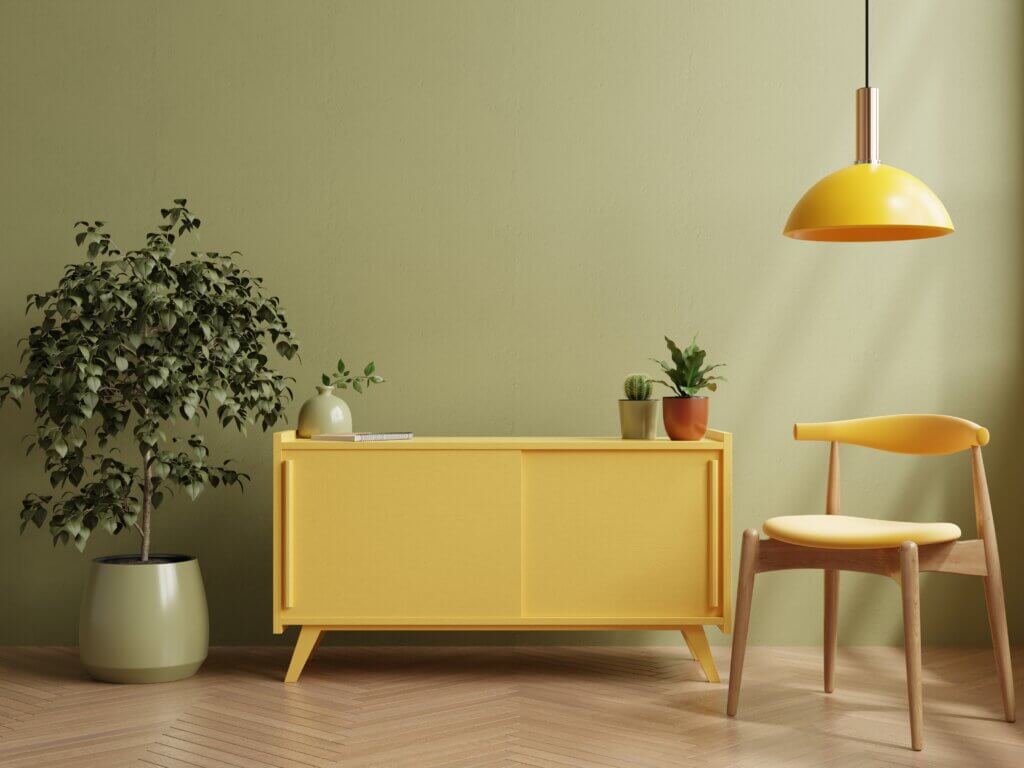
Patterns, shapes and materials: why Dopamine Decor loves maximalism
In addition to color, patterns and textures also play a central role. Stripes, floral prints, graphic wallpaper or psychedelic carpets – whatever shows personality is allowed. Curved shapes, round sofas and organic mirrors break up the strictness of straight lines.
Materials can be sensual: velvet, bouclé, lacquered surfaces, high-gloss ceramics. The deliberate mix of materials creates depth. A room appears lively, almost curated – like a collage of memories, travels and favorite pieces.
Dopamine Decor is therefore closely related to the so-called “New Maximalism”. But while Maximalism often appears opulent, Dopamine Decor remains more playful, more individual, less staged.
Dopamine decor in the living room: how to implement it successfully
If you want to try out the trend in your own four walls, you don’t have to bathe the walls in neon straight away. Even small interventions can have a big impact:
- Choose a statement piece: A brightly colored armchair or an eye-catching work of art as a focal point.
- Swap cushions and textiles: A mix of patterns instead of a uniform look.
- Making personal objects visible: Books, souvenirs, found objects – emotion beats perfection.
- Use light consciously: Warm light enhances the effect of strong colors.
Especially in the living room, where we spend an average of three to four hours a day, it is worth investing in emotional design. Studies in environmental psychology show that individually designed rooms can reduce stress levels – provided they suit your taste.
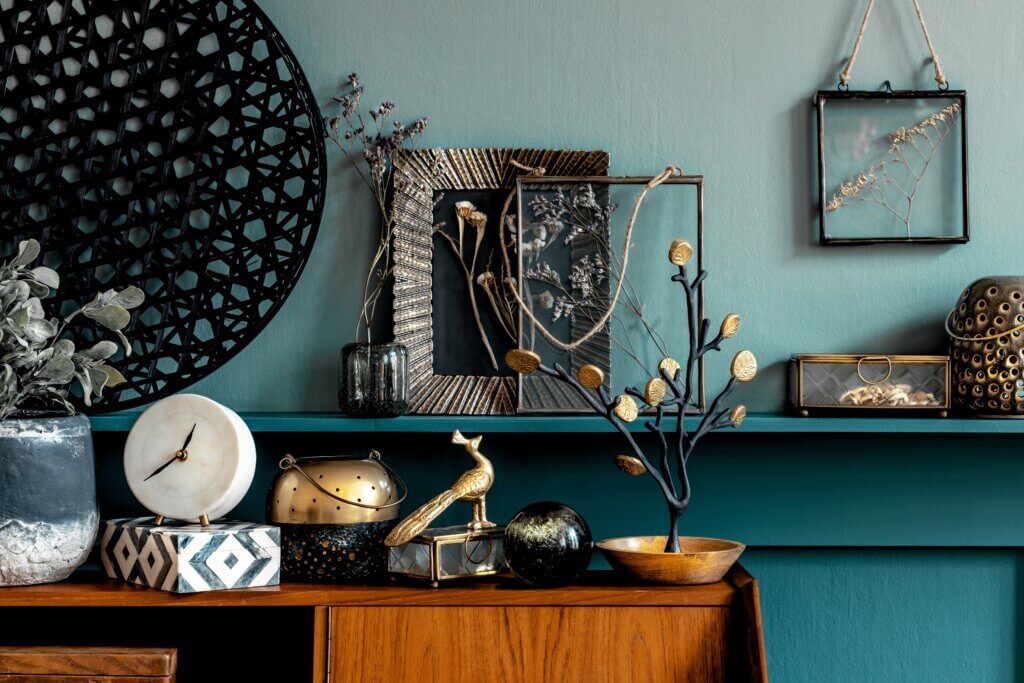
Dopamine Decor in the bedroom and home office
The trend also works in the bedroom – but in a more differentiated way. Instead of high-energy red, a combination of calming colors with individual lively accents is recommended here. A mustard yellow plaid, a patterned rug or a colorful bedside lamp will do the trick.
In the home office, on the other hand, it can be bolder. Creative professions in particular benefit from stimulating color accents. A study by the University of Texas showed that working environments that are too sterile and gray can reduce productivity. A bold background behind the desk can therefore not only be aesthetically pleasing, but also functionally useful.
More than just a social media trend
On platforms such as Instagram and Pinterest, posts with the hashtag #dopaminedecor have millions of views. But there is a deeper need behind the viral aesthetic: after years of global uncertainty, many people are looking for control on a small scale – in their own homes.
The trend corresponds with a growing desire for authenticity. Instead of flawless showroom aesthetics, rooms that tell stories are coming to the fore. An heirloom next to a design classic. A travel memory next to modern art.
Dopamine Decor is therefore also a counter-design to interchangeability. Those who embrace this trend ask themselves the question: “What makes me happy?” Perhaps this is precisely the reason why this style appeals to so many.
Related posts:
Furnishing second-hand: 8 pieces of furniture that are better second-hand
More is more – the comeback of maximalism
10 resolutions that will make your home more beautiful in 2026