According to environmentalists, more than 83,000 tons of electronic waste are generated in Austria alone every year. The electrical appliances disposed of are often still in working order or only have a small, easily repairable defect. Repairing electrical appliances would not only help to reduce the mountain of electronic waste, but also conserve valuable resources.
How can I repair my electrical appliance myself?
You don’t always need a professional to repair an electrical appliance. Some repairs can be carried out by yourself with a little manual skill. Those interested can acquire the necessary basic knowledge on repair websites, in online tutorials or workshops offered by some educational institutions or the Repair Academy in Vienna. Repair Cafés also offer support for repairing electrical appliances.
Useful links:
https://schraub-doc.at/reparaturanleitungen
Is it worth repairing electrical appliances?
In terms of the financial aspect, the answer is “yes” – at least if the repair costs less than buying a new appliance. However, the environment almost always benefits. This is because repairing a defective electrical appliance not only avoids electronic waste, but also conserves valuable resources and has a positive impact on the carbon footprint. However, if the faulty appliance is in a poor efficiency class, you should – if financially possible – decide to buy a new one: This is because energy-efficient electrical appliances consume significantly less energy.
Where can I find spare parts for repairing electrical appliances?
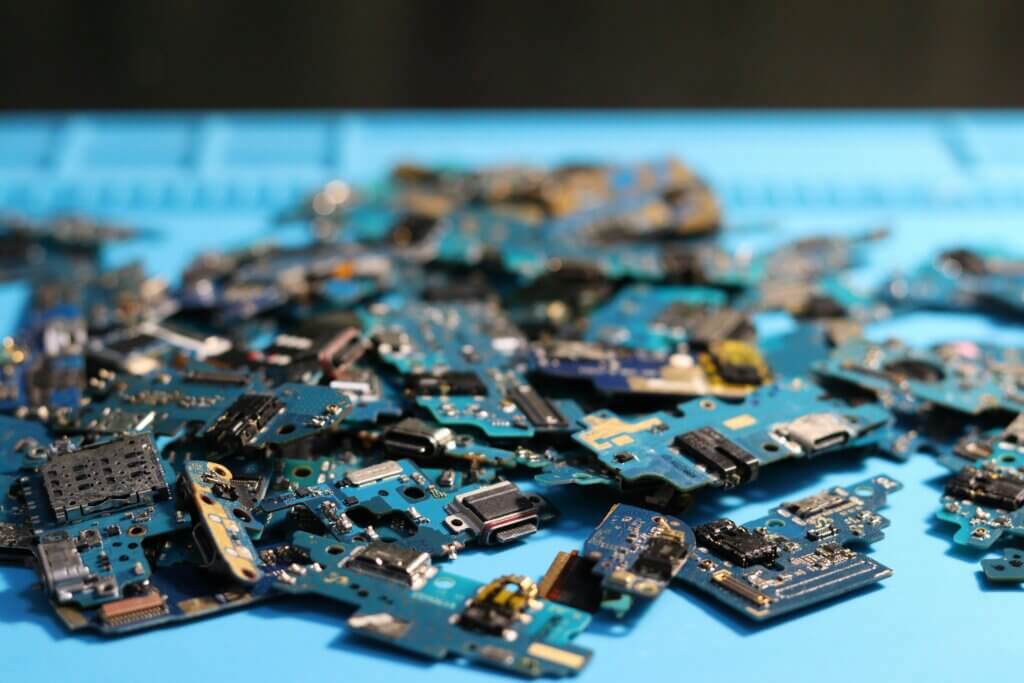
The search for spare parts has often been the proverbial search for a needle in a haystack. Since 2021, however, manufacturers have only been allowed to market new appliances in the EU if they offer repair instructions and spare parts for several years. This means that the latter must be available for between seven and ten years, depending on the product group. For example, spare parts such as remote controls, capacitors or power supply units for computers, televisions and monitors as well as door handles, temperature sensors, thermostats or shelves for refrigerators must be available for seven years.
The ten-year period applies, for example, to door seals for refrigerators, doors, motors or pumps for washing machines and dryers as well as spray arms, seals and cutlery baskets for dishwashers.
Since June 2025, the longer availability of spare parts has also applied to cell phones, smartphones and tablets: foils for foldable displays, batteries, mechanical buttons, main microphones and cameras must now be available for seven years.
On the one hand, spare parts are available from dealers. On the other hand, there are various (online) dealers who specialize in procuring and trading them.
How can I ensure that my electrical appliance lasts longer?
Prevention is better than cure, and this also applies to electrical appliances. Follow the operating instructions and maintain your electrical appliances regularly. This includes, for example, regularly descaling the coffee machine, kettle and steam iron, removing crumbs from the toaster (and emptying the corresponding drawer) or cleaning the air inlet and fan opening of the hairdryer. Damaged cables should also be repaired or replaced to avoid short circuits in electrical appliances.
What is the “right to repair”?
To reduce the mountains of electronic waste, resources and achieve the goal of the “European Green Deal” – climate neutrality in the EU by 2050 – has been in place since July 2024. EU Directive on the right to repair. However, this still has to be transposed into national law by July 31, 2026.
This obliges manufacturers to repair everyday products such as washing machines, dishwashers, smartphones, tablets and televisions within a reasonable time and at a reasonable price, even beyond the statutory warranty period. Provided that the repair is technically possible and economically viable. The principle of “first maintain, then replace” should thus become the new norm.
Is there a repair bonus again?
The so-called repair bonus expired in May 2025. Since January 12, 2026, the so-called appliance rescue bonus has been available instead. Consumers will receive a maximum of 130 euros per repair – but only for selected household appliances such as washing machines, refrigerators and freezers, vacuum cleaners, cordless screwdrivers and similar hand tools.
In addition, the repair of care and medical products such as wheelchairs, care beds, blood pressure monitors and ventilators will be subsidized for the first time. However, the repair of bicycles, smartphones and consumer electronics will no longer be supported with a bonus.
Related posts:
Upcycling: new impetus for your porcelain
Recycling Deluxe: old becomes new
Furniture care: how to keep your furniture looking good for a long time