Current global crises are once again acting as an accelerator for demand for luxury properties in rural areas. A look back shows a familiar pattern: during the COVID years of 2020 and 2021, there was already a massive increase in demand for high-quality properties outside urban centers. A clear repetition of this trend has been emerging since mid-2025.
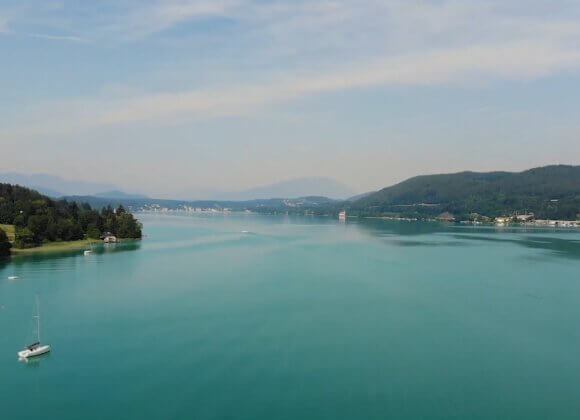
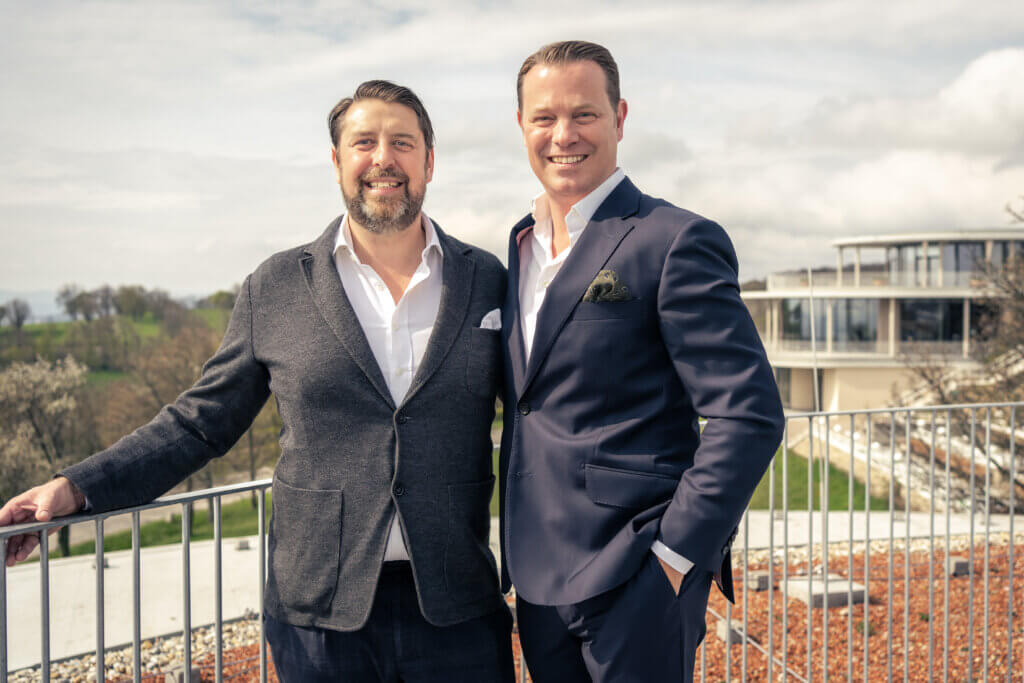
Properties directly on or in the immediate vicinity of lakes are in particularly high demand, followed by properties in natural locations with self-sufficient usage options. Exclusive properties in renowned ski resorts are also experiencing rising demand, albeit at a noticeably slower pace. Real estate experts Benedikt Gabriel and Bernd Gabel-Hlawa, founders and managing directors of the luxury real estate platform PREMIUM-LIVING, cite the current “very unfortunate leisure residence regulations” as the main reason for this, which – according to the tenor – are primarily causing losers at the moment.
A striking market picture emerged in the second half of 2025: demand was high, but actual transactions were comparatively low and buyers remained reluctant to make decisions. For 2026, however, Gabriel and Gabel-Hlawa are forecasting a radical turnaround – based on several clearly identifiable factors. Namely:
1. significantly growing international group of interested parties
In the exclusive segment, it has rarely been a question of immediate need. Rather, decisions were based on lifestyle, personal wishes, emotional motives and the conviction that they were making a sustainable and stable investment. This picture is now beginning to shift.
Increasingly, prospective customers are entering the market with greater specific needs, reorganizing investments and consciously shifting priorities. The classic lifestyle concept is losing its dominance. It is being replaced by factors such as security and stability, the year-round usability of a property with high recreational value, good infrastructure, a high level of education, selective independence and the possibility of permanent residence. These criteria rise significantly on the personal real estate bucket list.
Austria offers several locations with a very good starting position for this. Some of these attributes are already fulfilled, while others – according to the experts – require rapid political impetus in order to consistently exploit the existing opportunities for the domestic economy.
Top 7 nations with increased growth in interest in Austrian real estate:
- Ukraine
- Bulgaria
- USA
- Romania
- Poland
- Hungary
- Finland
2. price stability as a purchase accelerator
Contrary to numerous forecasts, real estate prices remained remarkably stable despite the national recession and global crises. Derived from rising construction costs and growing demand, there was even a slight price increase of around 3 to 6 percent.
This development literally takes the wind out of the sails of those prospective buyers who had expected a price drop of 10 to 30 percent and therefore waited – and leads to an accelerated purchase decision.
Top 7 regions in Austria with the highest value growth forecast until 2027 (demand-based):
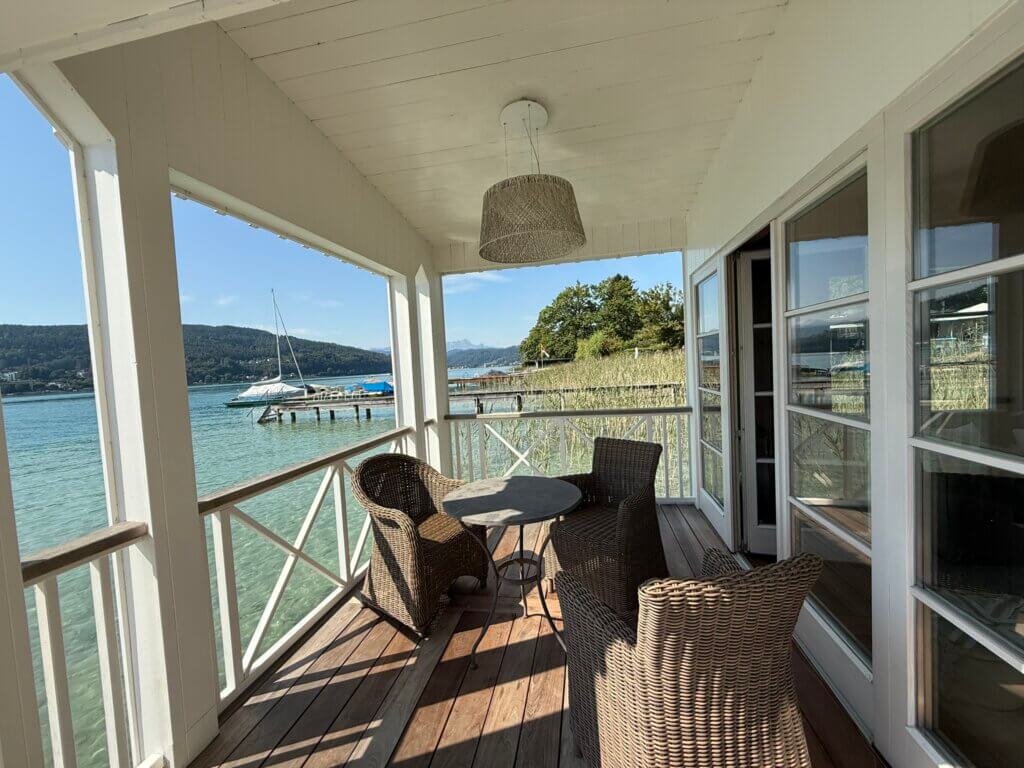
- Lake Wörthersee
- Gmunden on Lake Traunsee
- Wolfgangsee
- Lake Ossiach
- Attersee
- Weißensee
- Lake Constance
3. strength of niche markets
Investments and strategic priorities in the green tech segment, in tourism and in the health sector with a focus on longevity and the highest quality standards act as additional drivers. Upper Austria, Carinthia, Tyrol and Styria in particular are benefiting from this. Despite numerous other challenges in the domestic economy, these developments are attracting innovative national and international entrepreneurs who are deliberately relocating to these regions.
At the same time, the trend towards exquisite craftsmanship and traditional, regional products is increasing – an area in which Austria has great potential, according to Gabriel and Gabel-Hlawa, but which needs to be further promoted with “urgent urgency”.
Demand for historic properties combined with sustainable investments is also particularly dynamic. Over the past five years, this segment of the luxury market has grown by over 60%. This increase is almost in line with the global growth in luxury products as a whole.
Top 7 property types in the luxury segment:
- Green tech house by the lake
- Chalet
- Art Nouveau house
- Farmhouse-style property with timber construction and shingled façade
- Paired farms
- Half-timbered house in home style
- Winegrower’s house
International luxury: retreats are gaining in importance globally
Several international destinations have also experienced unexpectedly strong growth in the past two years of crisis. At the same time, the desirability of existing real estate hotspots has increased further. What is striking is that locations outside Europe and European regions that are traditionally regarded as “off the beaten track” retreats are particularly in demand.
International regions with rapidly growing demand:
- Canada: Thunder Bay, Halifax, West Vancouver
- Indonesia: Bali, Jakarta, Surabaya
- United Arab Emirates: Dubai
- Costa del Sol
- Madeira
- Southern Portugal: Faro, Albufeira, Lagos
- Tuscany
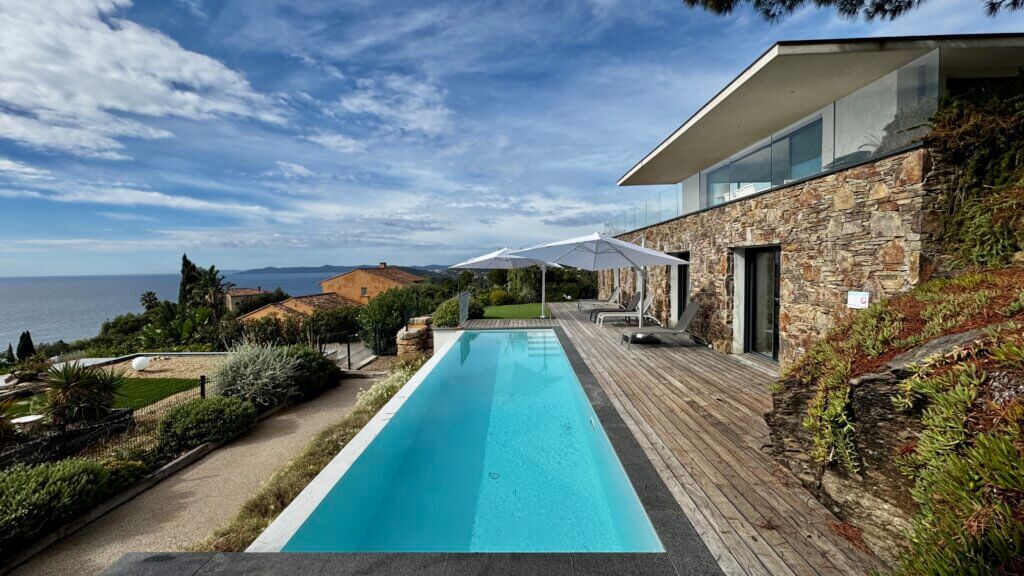
It is not only in long-term real estate investment that houses as retreats with green-tech features are very much in vogue. In the luxury travel segment too, demand for precisely these offers has tripled in the last two years.
The luxury real estate market therefore continues to grow at an above-average rate, confirming it as an extremely attractive investment area – especially where locations with high recreational value, high-quality traditional construction and sustainability consistently interact.
Photos: MotionPictureEntertainment, Sybille Sierlinger
Related posts:
Living trends 2026: How we will live in the new year
Viennese Art Nouveau meets modern luxury