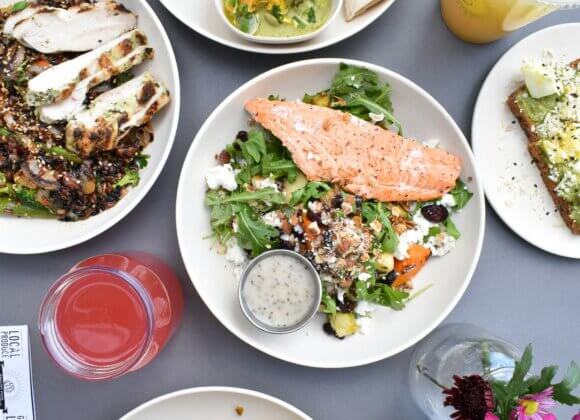
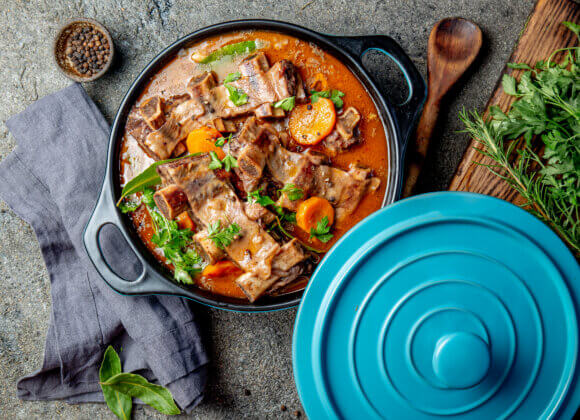
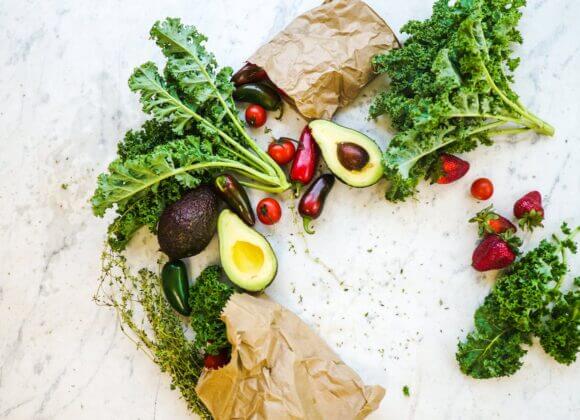
The traditional three meals a day are being replaced by small snacks in between. With snackification, eating behavior adapts to the changing rhythms of life.
Time is money – this motto no longer only runs like a red thread through professional life. Even in our private lives, efficiency is becoming increasingly important. However, the desire to tick off tasks without wasting time and other resources is not the only one: at the same time, the need for flexibility, spontaneity and individuality is taking center stage.
Examples of this social change can be found in many areas of life, even in food culture, as the trend towards snackification shows.
What does snackification mean?
An apple in the morning, a piece of cake in the afternoon, snacks and sweets during an evening of television or a cheese krainer after a visit to the theater – small snacks like these used to satisfy cravings or simply satisfy our appetite. But now mini meals are well on their way to replacing the traditional meals of breakfast, lunch and dinner in many people’s everyday lives.
Gen Z in particular loves to satisfy their hunger by eating several snacks throughout the day. And for a very simple reason: several, usually five, small portions are much easier to fit into an increasingly flexible and mobile everyday life than lunch and the like.
The snacks are not only smaller, but also healthier. Unlike previous snacks, which often fall into the junk food category, modern mini-meals are characterized by sufficient fibre, vitamins and minerals as well as polyunsaturated fatty acids and high-quality protein. Salt, sugar and unhealthy fats, on the other hand, are only included in moderation.
What are the advantages of small snacks over large meals?
The mini-meals spread throughout the day help to keep blood sugar levels stable throughout the day. On the one hand, this prevents hunger pangs caused by excessive fluctuations in blood sugar levels. On the other hand, the body is evenly supplied with energy, which in turn supports performance and concentration.
A clear indication of this is the absence of the tiredness that often occurs after lunch. This is because the body needs energy to process meals – the larger the meal, the more energy is needed.
Do several mini-meals also have disadvantages?
Eating more often during the day can also have a detrimental effect. Especially if the intervals between meals are too short. In this case, insulin is constantly released, which can have an unfavorable effect on fat burning, for example. It is therefore important to give your digestion sufficient rest – ideally three to five hours between meals.
It can also be a challenge to keep track of the quantities consumed – if you lose this, snackification can become a calorie trap under certain circumstances. This happens, for example, if the snack is eaten on the side. As a result, mindfulness suffers and you often eat more than you actually need. But there’s something else you shouldn’t forget: Eating together is an important social aspect. It strengthens bonds and feelings of security and belonging. According to the World Happiness Report, people who eat together with others more often report significantly higher life satisfaction and more positive feelings as well as fewer negative feelings.
Which mini meals are suitable for on the go?
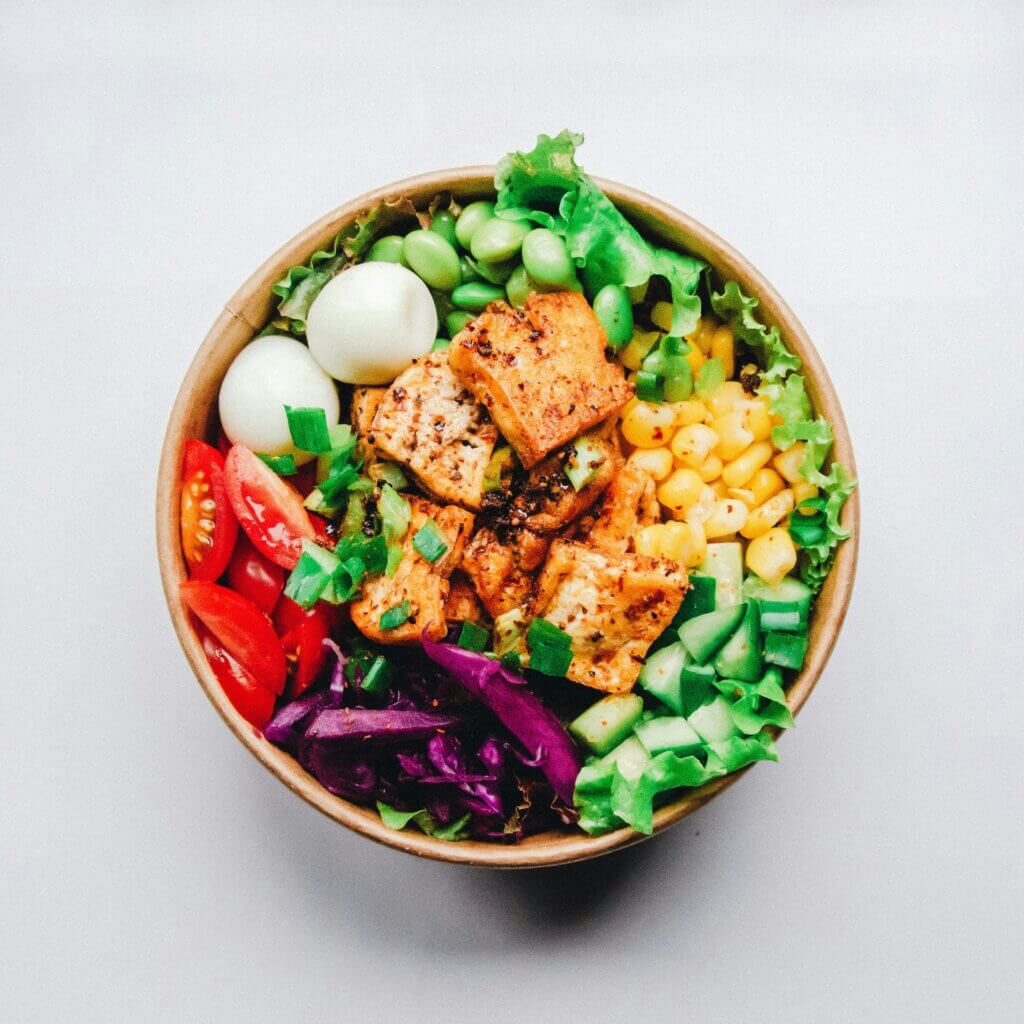
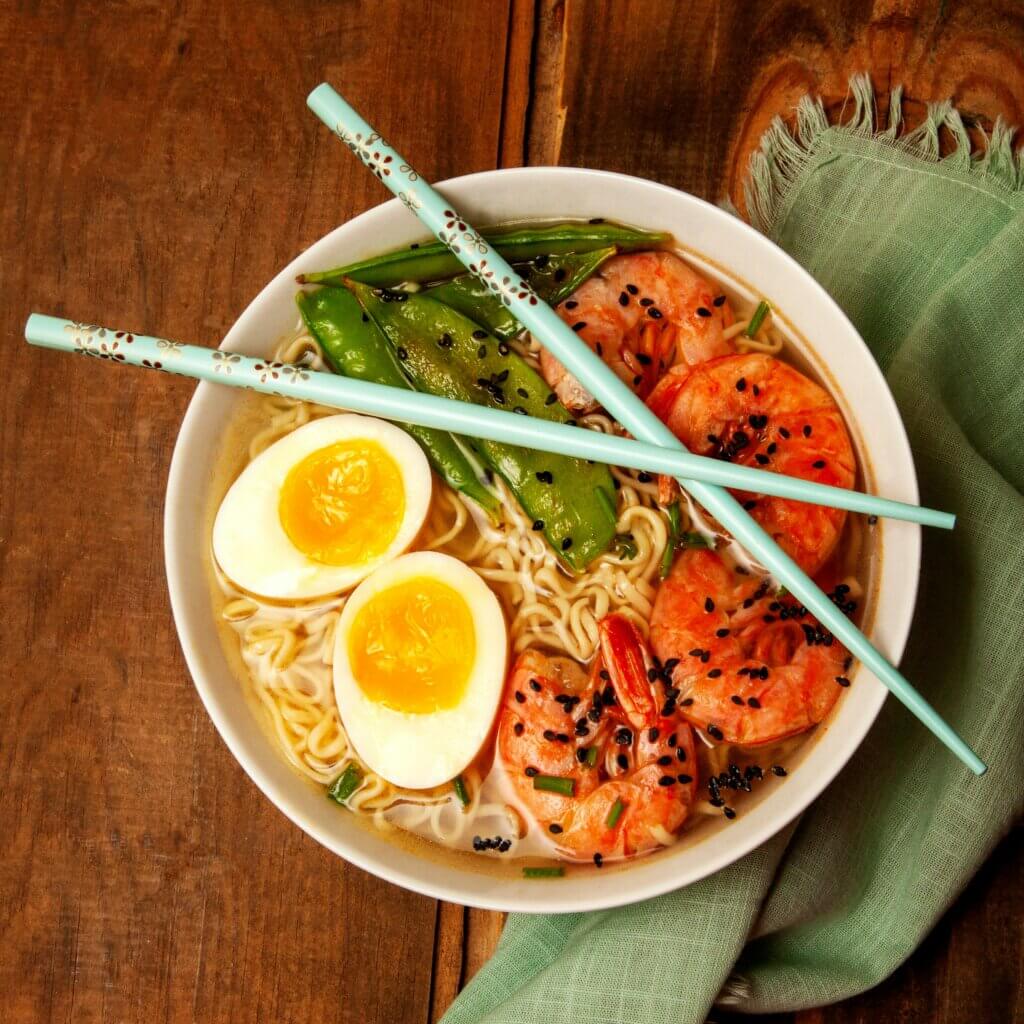
Many dishes are suitable as mini meals on the go. Sushi, salads and tapas, as well as fruit bowls, wraps, bowls and noodle dishes such as ramen are particularly popular at the moment. Some of these dishes are easy to prepare at home and are in line with another food trend, namely meal prep.
How do you incorporate healthy snackification into your everyday life?
- Look for healthy ingredients, preferably regional and seasonal
- Make sure the snacks have a balanced composition
- Keep track of the quantity by pre-portioning where possible
- When you eat, eat. Avoid distractions, don’t look at the computer, cell phone or TV. In other words: practice mindfulness when eating!
Related posts:
Comfort food: food that makes you feel good