The second month of the year seems like a pause for breath in the garden – but if you act wisely now, you buy yourself time, flowers and harvest for the whole year. Between the hoar frost and the short days, you can do the quiet work that you often don’t have time for in spring. Eight things you can do now to prepare your garden – including little professional tricks, numbers and timing.
1. stocktaking & plan for 2026: What was good, what’s missing?
Before you touch anything: Walk through the garden on a dry day with a notebook (or cell phone) and write down the following:
- Which beds were strong and which were weak in 2025?
- Where were the summer flowers, where did vegetables grow?
- Which corners were too hot, too shady, too wet?
Tip: Draw a quick sketch and mark sun/wind/wet. Doing this now will save you hours in March. And: plants need space. If you are planning new shrubs or perennials, calculate with final sizes right away:
- Lavender: approx. 40-60 cm diameter
- Hydrangea: depending on variety 1-2 meters in diameter
- Berry bushes: 1-1.5 meters in diameter
2. pruning shrubs & fruit trees – but only when the weather is right
The classic in winter, and for good reason: many woody plants are dormant and the structure is clearly visible without foliage. Important: Only prune when it is frost-free (ideally above +3° Celsius). Shoots break more easily in heavy frost.
Suitable for pruning in February:
- Apple, pear, quince (pome fruit)
- Currants and gooseberries
- Ornamental shrubs that flower on new wood (e.g. summer lilac)
Not at all or only very carefully:
- Stone fruit (cherry, plum) rather late summer
- Spring-flowering plants such as forsythia – otherwise cut away the blossom.
Professional trick: Disinfect the scissors with alcohol, especially for fruit (fungal prophylaxis).
3. perennials, grasses & dried seed heads: leave or remove?
Many people leave everything standing in winter – this is ecologically excellent: seed heads feed birds, hollow stems provide insect habitats. Nevertheless, selective pruning is worthwhile:
- Leave standing: coneflower, thistles, stonecrop, ornamental grasses – until March.
- Remove: mold or fungal infestation, muddy shrub remains, diseased leaves (e.g. rose rust).
Composting rule: Only put healthy plant material in the compost. It is better to dispose of diseased parts in the organic waste – otherwise pathogens will overwinter.
4. soil care: check mulch, recognize compacted areas
You don’t dig in January – but you can read the soil. After snowmelt or rain, you can immediately see where there is water. Make a note of such places: in spring, sand or compost will help, possibly a drainage system.
Mulch check:
- Bark mulch/leaves: is it still covering (approx. 3-5 cm)?
- Open soil: mulch lightly on frost-free days (protection against drying out and erosion).
If you have compost: Sift it now. Finely crumbled mature compost is worth its weight in gold in March.
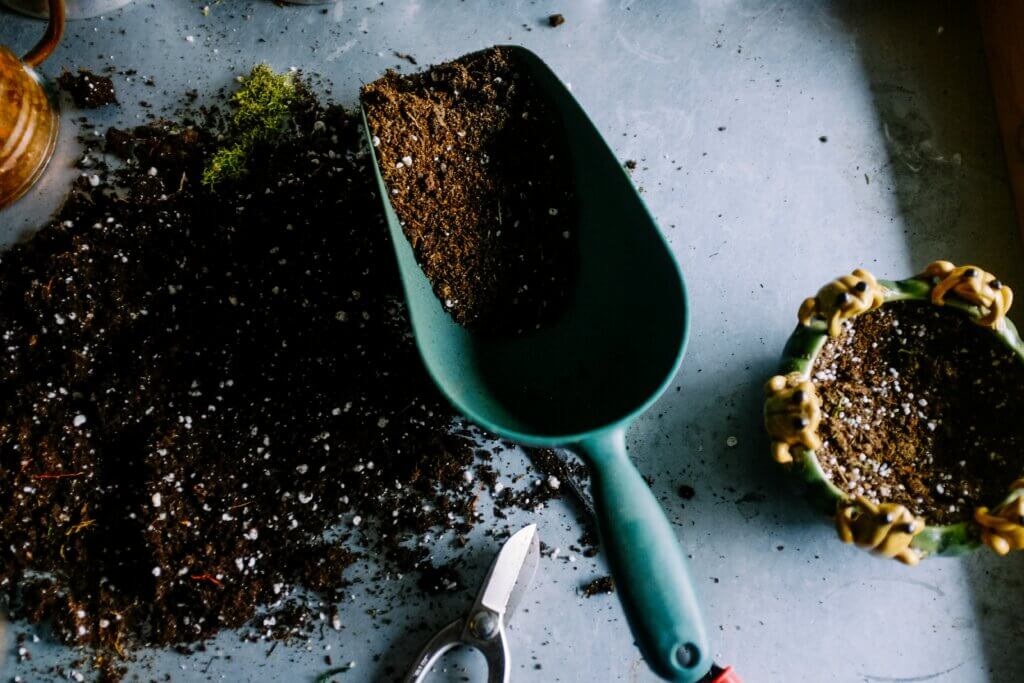
5. clean cold frames, greenhouses & planters
This is the quietest, but perhaps most effective task: hygiene saves trouble. In the warm spring, fungi and pests explode – and they like to overwinter in old pots and cracks.
To Do’s:
- Clean pots and bowls with hot water + brush.
- Greenhouse: Wash glass panes/polycarbonate with mild soapy water – more light = earlier growth (plus/minus 1-2 weeks head start depending on the weather).
- Check cold frame windows: Seals, hinges, ventilation.
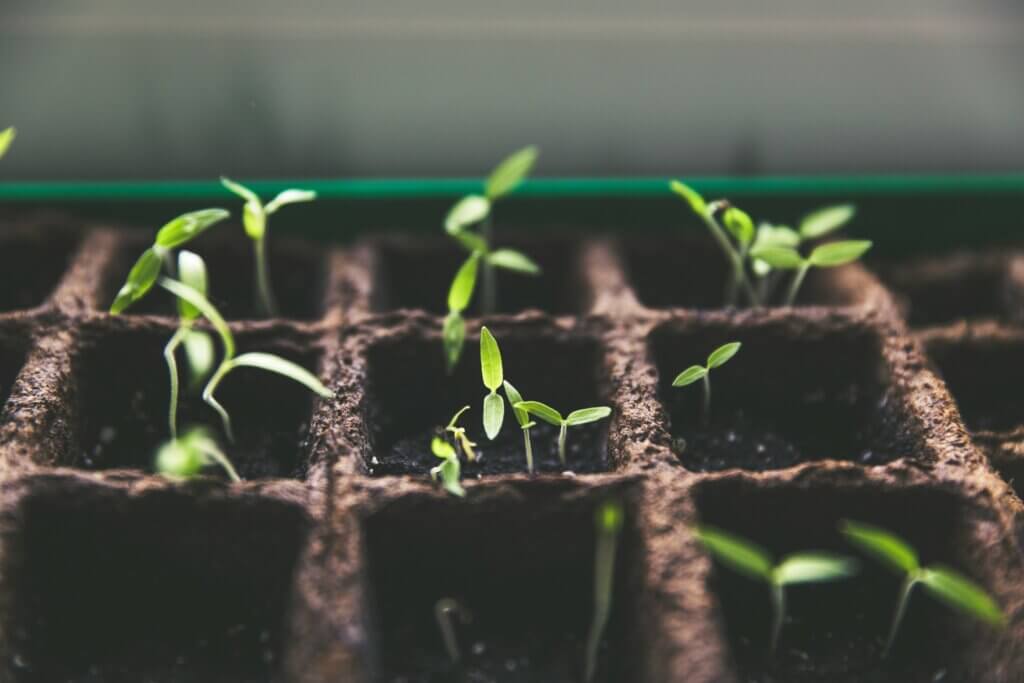
6. start pre-cultivation: What you can sow now
Suitable for the windowsill:
- Chili, peppers (long cultivation time: 8-10 weeks until pricking out)
- Artichoke
- Celeriac (slow, needs patience)
- Early-flowering summer flowers such as snapdragons or sweet peas.
Light is the key: without a plant lamp, the rule of thumb is the brightest window, but not above the heater. The following temperatures are ideal:
- Peppers/chilli: 22-25 ° Celsius for germination, later 18-20 ° Celsius
- Celery: 18-20 ° Celsius.
7. check seeds & supplies – and buy wisely
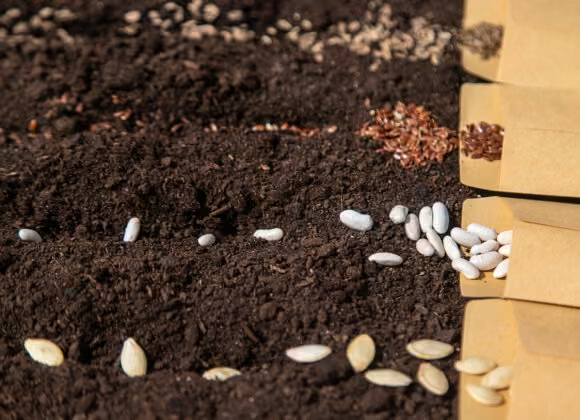
Now is the time to empty the seed box. And to check the supplies, like this:
- Check expiration dates. Many seeds last longer, but germination rates drop.
- Schnelltest: 10 Samen auf feuchtem Küchenpapier keimen lassen.
- Germination 7-8, everything is great.
- Germination 3-4, better to buy more.
Pay attention when shopping:
- Site requirements (sun/shade, soil)
- Resistance in vegetables (e.g. against mildew)
- Regional varieties that like your climate.
8. create a habitat: Nesting boxes, feeding places, water
In January you decide who will be moving in with you in the spring. So it’s good to take precautions:
- Cleaning/hanging up nest boxes: ideally 2-3 m high, entrance hole away from the weather side.
- Keep feeding places clean (risk of mold!).
- Provide water if it does not freeze permanently – a shallow dish with a stone as a landing place is sufficient.
Extra bonus: piles of dead wood or leaves as winter quarters for hedgehogs and insects. Nice and messy is perfect here.
Related posts:
Compost & green manure: Fit for 2026