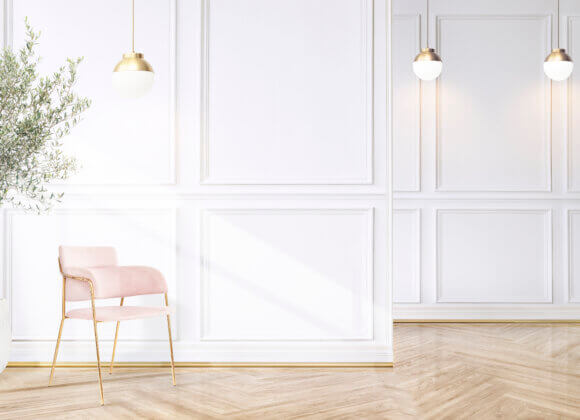
After a few years in which minimalism and clean chic were the non-plus-ultra of interior design, the pendulum is now swinging in the opposite direction: more opulent, colorful, creative and individual is the motto – giving maximalism a comeback.
What is maximalism in the institution?
“More – of everything” is probably the most apt definition of maximalism. People indulge in colors, shapes, materials, patterns and decoration, with no trace of restraint. After all, maximalism is about expressing your own personality, individuality, creativity and history in the design of your own four walls. This also means that not only the one or other favorite piece, but also more of them can be dug out of cellars, boxes and stores and presented. In order to achieve this, some previously established rules can be confidently thrown overboard when combining items. True to the motto: whatever you like is allowed.
Incidentally, maximalism is not a contemporary invention: according to experts, its roots go back at least as far as the 19th century, some even say as far back as the Baroque era. And just like 200 or more years ago, today it is all about putting yourself and your treasures in the right light.
How does maximalism differ from minimalism?
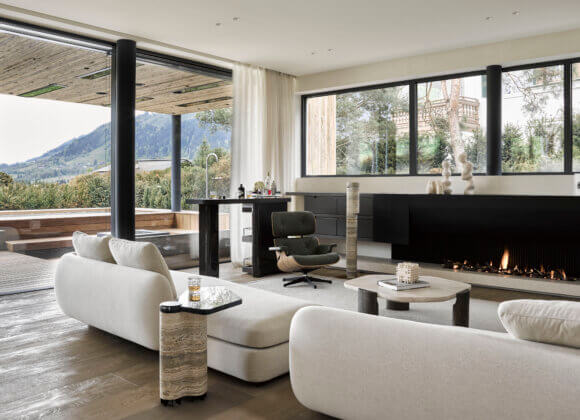
While the motto of minimalism is “less is more”, the motto of maximalism is “may it be a little more?”. Clear lines and shapes, neutral colors and reduction are the typical characteristics of minimalism; simplicity and functionality are paramount. On the other hand, maximalism is lavish, colorful, magnificent, lively, unique and possibly a little exalted. Colors, shapes, patterns and materials, but also styles and cultures are mixed – which not only requires creativity, but also a little courage in some cases.
How do I furnish my home in the Maximalist style?
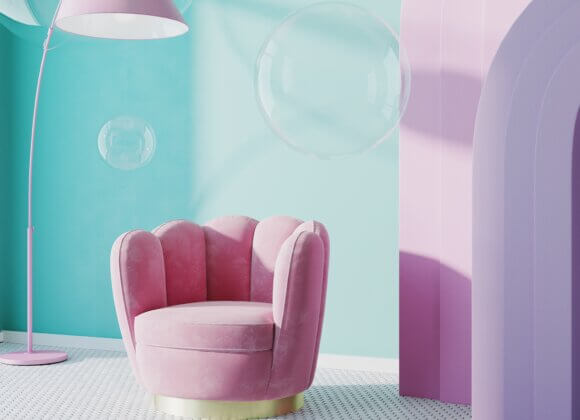
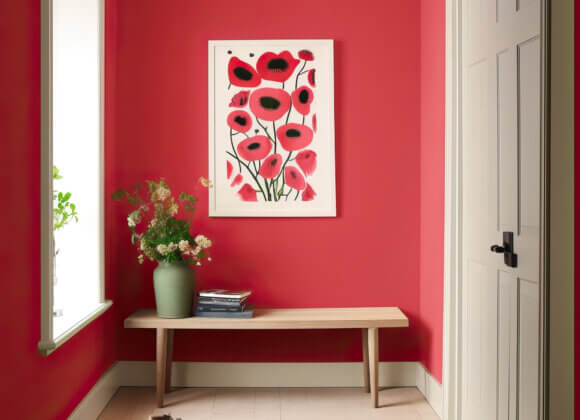
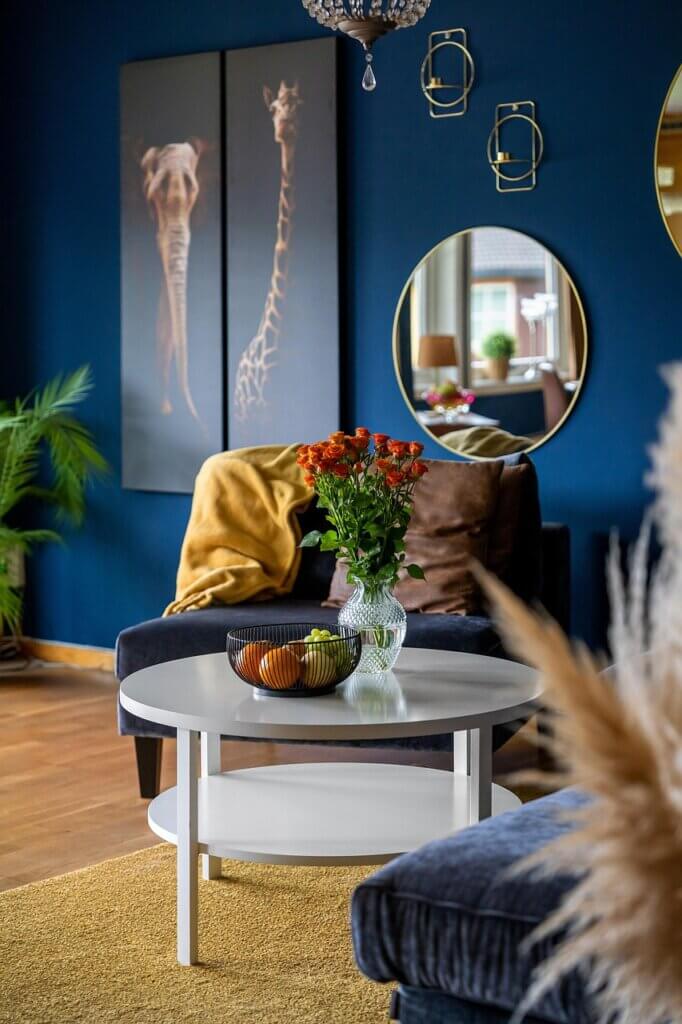
One of the most important elements of the maximalist style is color – especially strong, rich colors. Dare to combine different colors, strong contrasts and unusual combinations are absolutely desirable. If in doubt, you don’t have to paint the walls and/or ceiling brightly – if you’re not quite sure, experiment with colorful textiles first.
In addition to colors, there is another typical element of maximalism, namely patterns, on walls, textiles, pictures and even furniture. Don’t be afraid to combine floral prints, stripes or geometric shapes. The same applies to materials: velvet, silk or linen also go well together and create excitement when combined. Speaking of combinations: don’t be afraid to combine old and new. Old Biedermeier armchairs upholstered in colourful fabrics, for example, harmonize perfectly with a modern wooden table. A floor lamp from the 1970s, on the other hand, can put the new seating area in the perfect light.
Statement pieces are also a must: whether it’s a chest of drawers from the family estate, an opulent chandelier or an extravagant sculpture – showcase the pieces that are close to your heart and transform the room into the perfect stage. The whole thing is rounded off with the right decorations, including plants, of course.
By the way: If you don’t like turquoise, deep blue, emerald green and the like, you don’t have to do without the maximalist style. Because this style can even be implemented with muted colors and patterns as well as the appropriate decoration.
How do I avoid chaos in maximalism?
Although it may seem like it, maximalism is not about cramming as much as possible into a room. Rather, it’s about using different design elements to give rooms dynamism and vibrancy and create a coherent overall picture. You can achieve this by paying attention to a common thread. This can be a uniform color palette, the repetition of a certain pattern or points where the eye can come to rest.
Which furniture and accessories are typical of maximalism?
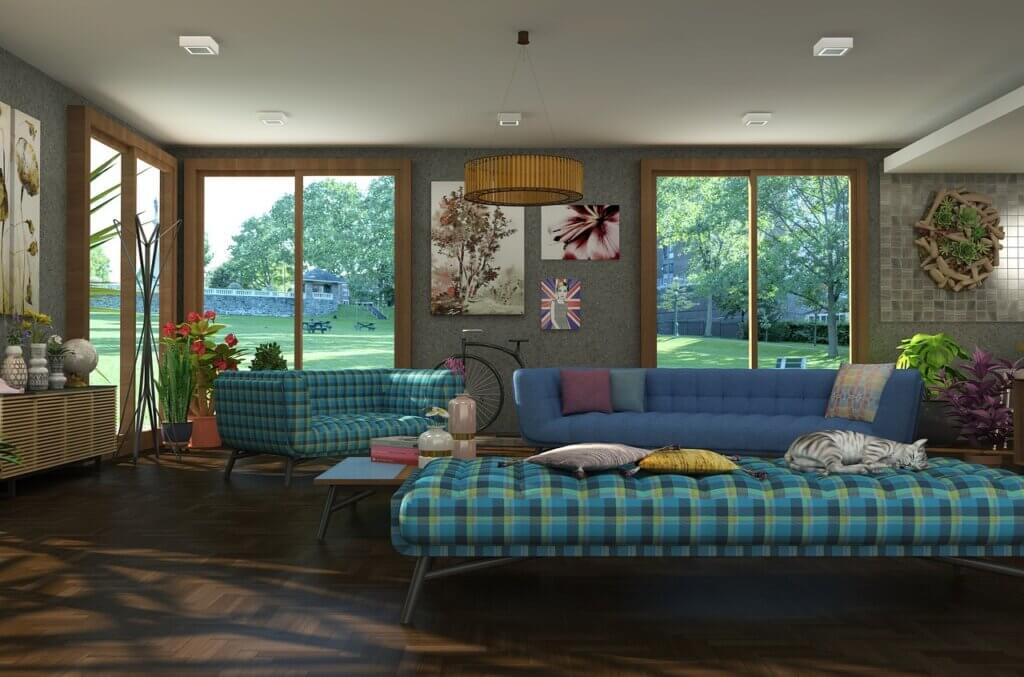
There is no such thing as typical furniture and accessories for maximalism – even a simple shelf can become a maximalist eye-catcher with the right top and accessories. Nevertheless, there are pieces of furniture and accessories that are maximalist in their own right. This can be a colorful cabinet from Asia as well as an English sofa, an imposing armchair, an old dining table, a chandelier or a picture in an ornate frame – the main thing is that it looks unique and opulent.
Related posts:
Living trends 2026: How we will live in the new year
Chalet style in the city apartment
Time travel to a living paradise: The charm of retro furniture