
It’s rarely the big upheavals that have a lasting impact on our homes – but the quiet, consistent routines. Micro organizing is just such an approach: no radical decluttering at the weekend, no hours spent sorting out entire rooms. Instead: small, targeted interventions that can be effortlessly integrated into everyday life. And they have an amazing effect.
What is micro organizing?
Micro organizing describes systematic organizing in very small units. Instead of devoting yourself to the entire closet or kitchen, you concentrate on individual drawers, compartments or categories. It’s about manageable tasks that can be completed in just a few minutes – but on a regular basis. The effect: less overwhelm, more consistency and a permanently tidy environment.
How does micro organizing work in everyday life?
The key lies in the low threshold. Micro organizing requires neither preparation nor perfection. It starts with simple questions: What can I put in order now, at this moment? It could be the cutlery drawer, my handbag or a single shelf. The decisive factor is regularity – ideally daily or several times a week.
Studies in behavioural psychology show that small, recurring actions are much more likely to become a habit than large, infrequent projects. This is precisely where micro organizing comes in: It anchors order as part of everyday life, not as a state of exception.
Which areas are suitable for small tidying projects?
Particularly suitable are those zones that are used frequently – and therefore quickly become cluttered:
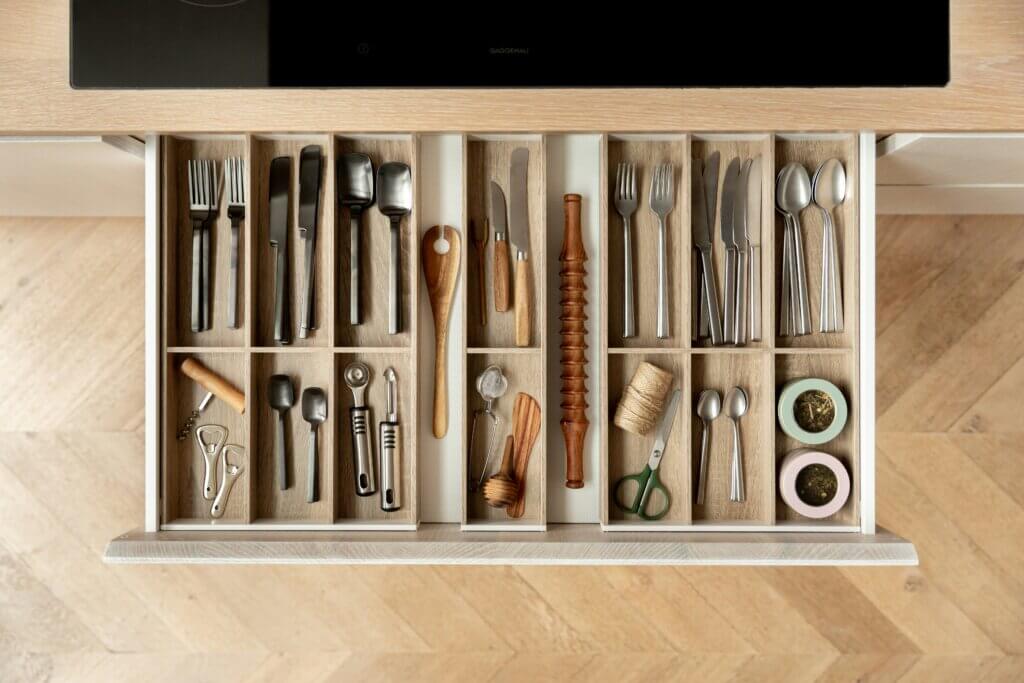
- Cutlery and kitchen drawers
- Cosmetic and bathroom cabinets
- Handbags and rucksacks
- Shoe racks and entrance areas
- Bedside cabinet
- Digital areas such as e-mail inboxes or photo galleries
Even “invisible” places such as storage boxes, cable boxes or document folders benefit enormously from small, targeted interventions.
How can you create more order with 10 minutes a day?
Ten minutes may seem marginal at first glance – but they add up surprisingly quickly. This adds up to over five hours per month. A clear focus is crucial:
- Set a timer for 10 minutes
- Select a clearly defined area
- Work without distraction
- Finish the task consistently, even if not everything is perfect
This method reduces decision-making stress and prevents the typical “I’m not even going to start”.
Why is micro organizing often more effective than large clean-up campaigns?
Big clean-up campaigns have one disadvantage: they are rarely sustainable. After an intensive weekend, everyday life returns – and with it the old mess. Micro organizing, on the other hand, acts like a continuous maintenance process.
It prevents chaos from arising in the first place. In addition, the emotional hurdle remains low: those who know that a task only takes a few minutes are more likely to start – and more likely to stick with it.
Another advantage: decisions are easier to make. While you often have to evaluate hundreds of items during a complete clear-out, micro organizing reduces the selection to just a few items. This increases the quality of decisions and reduces mental stress.
Micro-organizing tips for the kitchen, bathroom and closet
Kitchen:
Work with zones. One drawer for cooking utensils, one for spices, one for supplies. Regularly sorting out expired products – ideally during daily cooking – prevents overcrowding. Transparent containers provide an overview.
Bathroom:
Reduce visibly placed products to a minimum. Everything else is stored in categories. Check a category once a week – such as skincare or hair products – to keep things organized.
Closet:
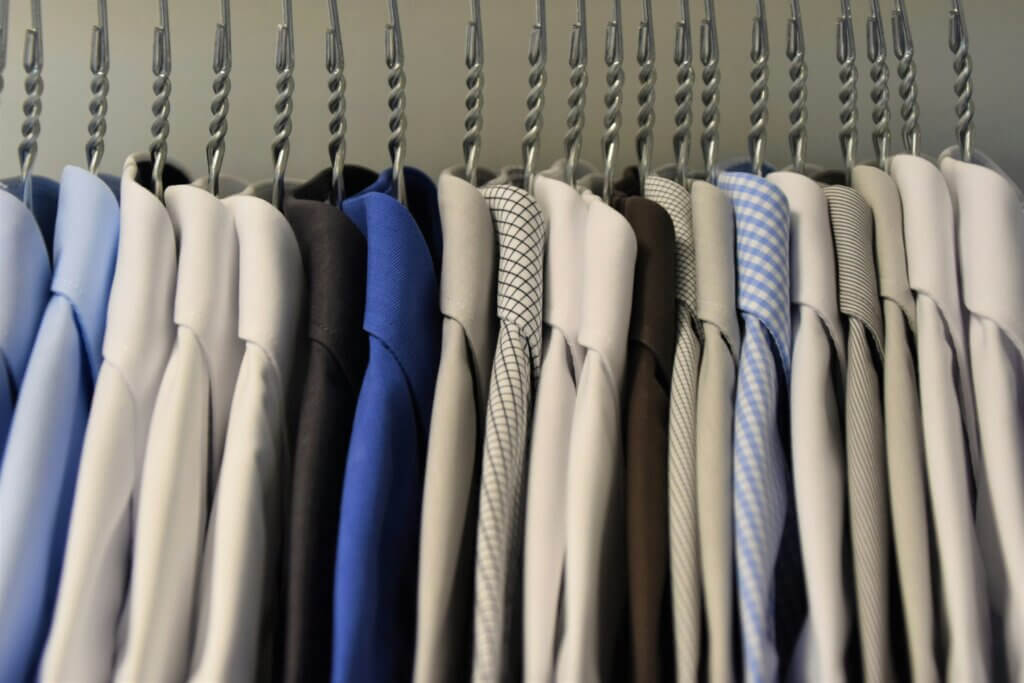
Micro organizing is particularly effective here. Instead of seasonal complete campaigns, it is enough to regularly go through individual categories: T-shirts, jeans, accessories. A tried and tested method is the “1-in-1-out” rule – each new item replaces an old one.
How can you keep things tidy without constantly tidying up?
The answer lies in the structure. Order can only be maintained if every item has a fixed place – and this place can be reached intuitively. Micro organizing supports exactly that: it creates clear, small systems that work in everyday life.
The principle of immediate return is also helpful: things are put back in their place immediately after use. What sounds trivial is actually crucial.
And finally: accept that order is not a state, but a process. Micro organizing makes this process easy, flexible and – in the best case – even satisfying.
Related posts:
Tidiness in the kitchen: how to make the kitchen a feel-good place
Everything all right? Tips for an organized home
Bathroom makeover: ideas for a breath of fresh air in the bathroom