Around one in three people in Europe now suffer from allergies or allergic complaints – at least some of the time. And the trend is upward. The reasons for this are complex: changing environmental conditions, increasing air pollution, an increasingly sterile lifestyle in childhood and a changed lifestyle with stress, an unbalanced diet and lack of sleep. All of this influences the immune system – and thus also its readiness to react.
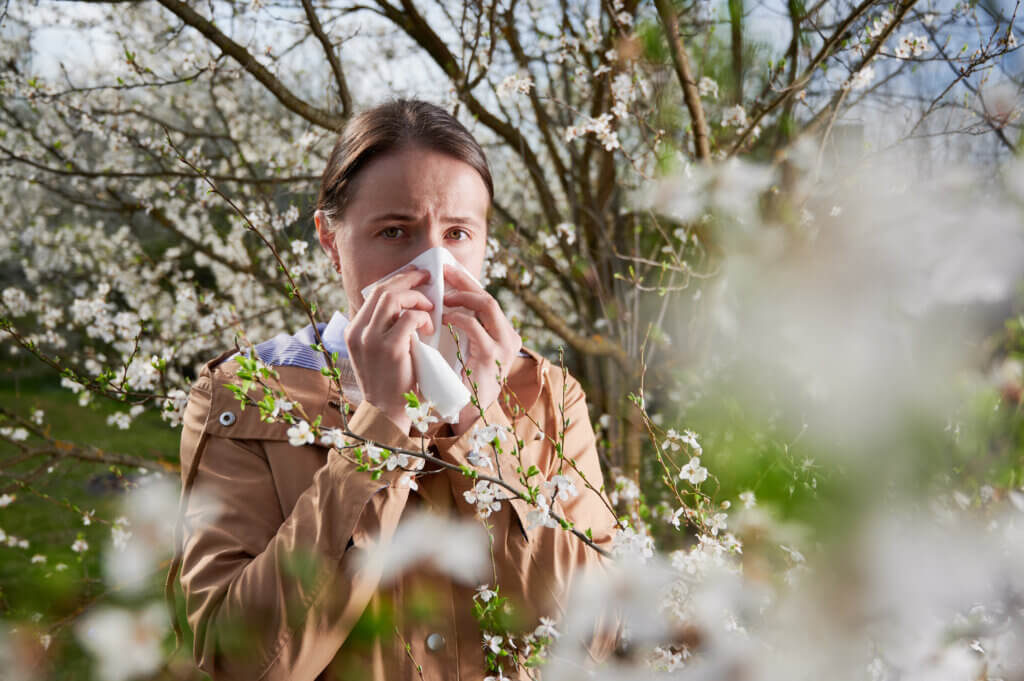
What happens in the body is basically a malfunction: the immune system classifies harmless substances such as pollen, house dust or certain foods as dangerous. Histamine and other messenger substances are released, triggering typical symptoms. These include watery or itchy eyes, sneezing, a blocked or runny nose, skin reactions or even breathing difficulties. Particularly in spring and early summer, when the concentration of pollen reaches its peak, sufferers report a massive burden in everyday life.
It is also striking that allergies are increasingly occurring for the first time in adulthood. The reason often lies in a gradual change in the immune system: constant stress, hormonal changes, environmental factors or infections can lead to the body’s tolerance to certain substances being lost. The body suddenly reacts sensitively to stimuli that were previously tolerated without any problems. We spoke to TCM nutritionist Ruth Unger about this topic – an interview about how allergies develop, how they can be influenced and how to combat them.
Allergies are a considerable burden, especially in spring and early summer.
A question for the expert: What role do factors such as diet, stress or sleep play in the development or intensification of allergies?
From the perspective of Traditional Chinese Medicine (TCM), these factors play a central role as they significantly influence the balance in the body. A large part of our energy – the so-called Qi – is formed from food. A regular, warm and balanced diet strengthens this energy and therefore the immune system.
On the other hand, cold or raw foods, lots of dairy products, frequent bread meals and highly processed foods have a particularly negative effect. From a TCM perspective, irregular eating or radical diets also weaken the digestive system – and therefore the immune system in the long term.
Sleep is just as important: during the night, body and mind regenerate, Qi and blood are built up. Sufficient sleep, a stable rhythm and the hours before midnight are particularly important. A permanent lack of sleep makes the body more susceptible – including to allergic reactions.
Stress in turn disrupts the flow of energy. In TCM, this is known as liver Qi stagnation. The consequences range from inner restlessness and tension to digestive problems – a cycle that further weakens the immune system.
Can allergies also be related to the general physical condition or lifestyle?
Yes, in TCM allergies are never considered in isolation, but always in connection with the individual constitution and lifestyle. Part of our resistance is already formed before birth. This basic constitution – the so-called Jing – forms the basis for a stable immune system. Accordingly, factors such as good preparation for pregnancy, but also breastfeeding and a balanced diet in childhood are important.
Lifestyle also has a significant influence. A balanced diet, sufficient exercise, restful sleep and a conscious approach to stress strengthen the body in the long term. Conversely, constant stress, lack of sleep, highly processed foods, smoking and alcohol significantly increase susceptibility to allergies.
How does traditional Chinese medicine explain the development of allergies?
In TCM, allergies are an expression of a weakened defense energy, the so-called Wei Qi. This protects the body like a shell against external influences. If it is weakened, irritants such as pollen or house dust can “penetrate” more easily and trigger symptoms.
The digestive power, which is assigned to the “spleen” in TCM, plays a central role here. If it is weakened, less energy is produced – and therefore less defensive energy. At the same time, the spleen is closely connected to the lungs, which are responsible for the immune function. If this interaction is disturbed, allergic symptoms occur more easily.
Stress can also play a role as a so-called congestion of the energy flow (liver qi stagnation). Typical signs are irritated eyes, inner tension or feelings of pressure in the chest area.
From a TCM perspective, an allergy is usually caused by a combination of several factors: weakened digestion, susceptible lungs, stress and a weaker basic constitution.
What options does TCM offer to alleviate allergies in the long term or to strengthen the body?
TCM takes a holistic approach: the aim is not just to alleviate symptoms, but to strengthen the body in the long term. The focus is on strengthening the digestive system (“center”). Warm, regular meals, cooked vegetables and cereals such as rice or millet are recommended. Less beneficial are cold foods, raw vegetables, lots of dairy products or highly processed foods.
The lungs can also be specifically strengthened, for example with certain foods such as cooked pears, almonds, root vegetables or mild herbal teas.
In spring, the focus is also on the liver, which is particularly sensitive at this time of year. Green vegetables, sprouts or mild teas can have a supportive effect here, while alcohol and strong spices should be avoided.
Methods such as herbal therapy or acupuncture are also used. The individual approach is always decisive: constitution, complaints and lifestyle determine the therapy.
Our expert
Ruth Unger is a qualified TCM nutritionist. Her company food:wise stands for a smart, mindful and individual way of eating – in harmony with the body, life circumstances and the inner center.
Not everyone is happy about the falling leaves; for some, they’re just a chore. Yet leaves in the garden are a real treasure that’s worth gathering in the fall. Why are leaves important? Leaves are definitely not waste; rather, they are extremely valuable. They provide nutrients that improve soil quality, protect the soil from temperature …
More and more hobby gardeners are turning to saving their own seeds, thereby laying the foundation for a bountiful harvest next year. This not only saves money but also helps promote the concept of sustainability and preserve cherished varieties. From which vegetable varieties can I collect seeds myself? To collect seeds from vegetables yourself, two …
Conservatories offer the perfect setting for enjoying lush greenery and abundant blooms all year round. In this article, you’ll learn which plants are suitable for conservatories, what mistakes to avoid when planting, and get valuable tips from our editorial team. Which plants are best suited for a sunroom? In general, a wide variety of plants—both …
SIE WOLLENNICHTSMEHR VERPASSEN?
Unser kostenloser Newsletter liefert Ihnen wöchentlich die neuesten Artikel rund ums Wohnen & Leben.
SIE WOLLENNICHTSMEHR VERPASSEN?
Unser kostenloser Newsletter liefert Ihnen wöchentlich die neuesten Artikel rund ums Wohnen & Leben.
SIE WOLLEN
NICHTS MEHR VERPASSEN?
Unser kostenloser Newsletter liefert Ihnen wöchentlich die neuesten Artikel rund ums Wohnen & Leben.