
Less sacrifice, more balance: the 2026 nutrition trends are noticeably turning towards the essentials. Away from dogma and towards foods that nourish, stabilize and are good for you in the long term. Ruth Unger, a qualified nutritionist based on Chinese dietetics, explains from the perspective of traditional Chinese medicine which 7 healthy ingredients should be on our plates right now – and why they bring body and mind back into balance.
Our goodie for you: At the end of the article you have the chance to win a 1:1 TCM consultation worth € 149 from our expert Ruth Unger. Good luck!
Traditional Chinese medicine does not think of nutrition in terms of calories or macros. Instead, every food, spice and drink has a special effect – for example, warming or cooling, restorative or invigorating, strengthening or draining. The focus is on the so-called “center” – our digestive system as an important source of Qi, or life energy. Strengthening it strengthens the whole person. According to Chinese astrology, 2026 is the year of the fire horse, which stands for rapid change, lots of energy and freedom. It will be all the more important to strengthen the center with these seven ingredients:
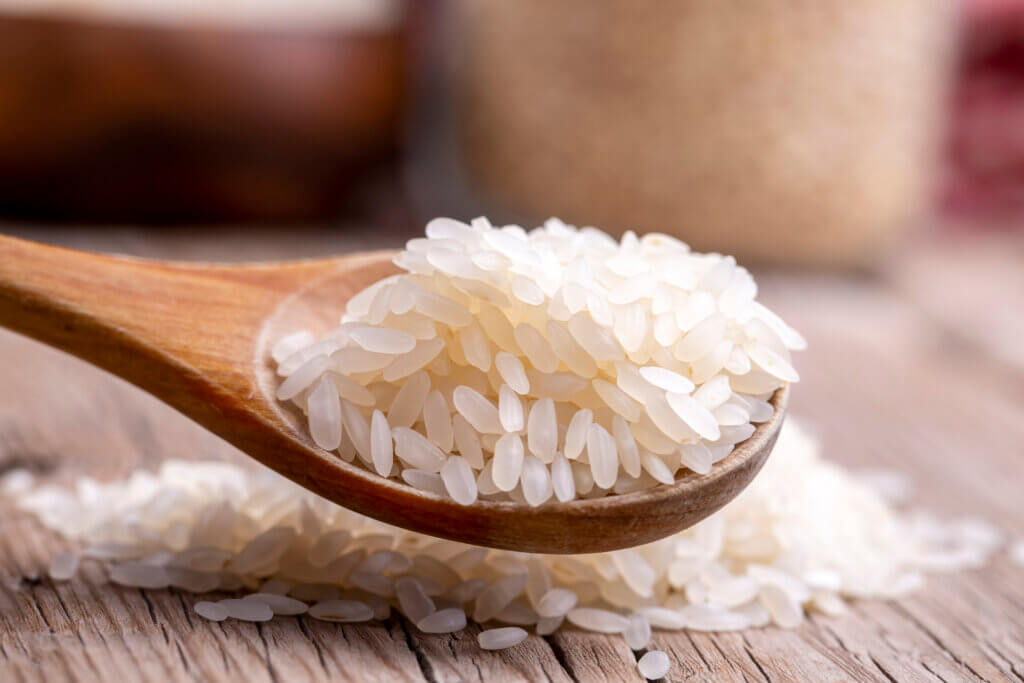
Rice
Whether basmati or classic long-grain rice: in TCM, rice is considered a real basic superfood. It strengthens the digestive organs, harmonizes the body and helps with numerous disharmonies. Its ability to form Qi and gently drain excess moisture is particularly valued – an issue that plays a major role in cases of tiredness, heaviness or water retention. Rice is surprisingly versatile in culinary terms: sweet in the morning with fried apple pieces, at lunchtime as a vegetable dish, in the evening as a garnish in a warm soup. A food that always fits the bill – and never overwhelms.
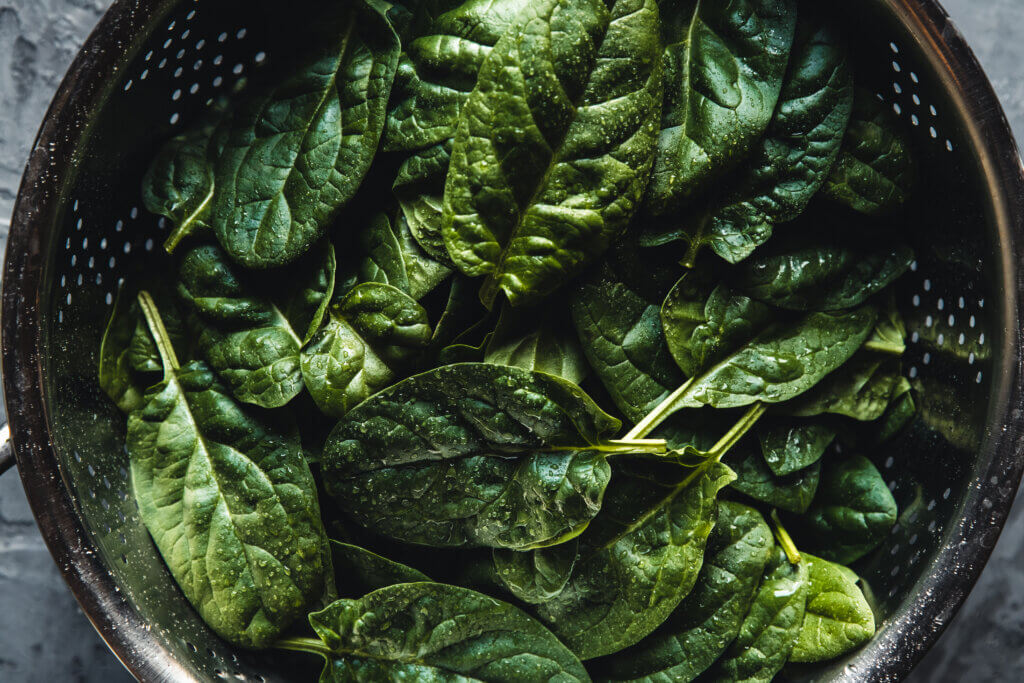
Green leafy vegetables
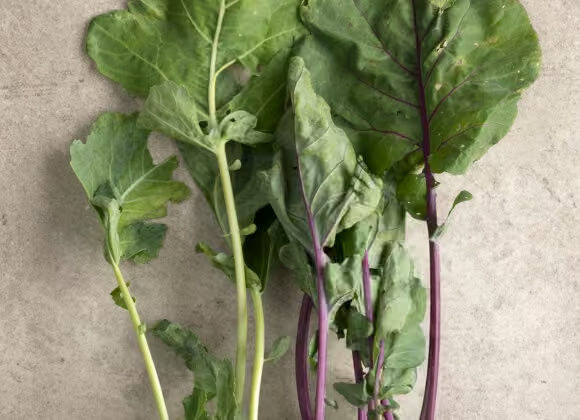
From a TCM perspective, spinach, chard & co. are true blood and juice formers. They nourish the body in depth and also support the center. Spinach is traditionally used for constipation, headaches, dizziness, red eyes or even night blindness – symptoms that are often associated with a lack of blood in TCM. Regularly cooked or gently steamed, green leafy vegetables bring freshness and substance to the plate at the same time.
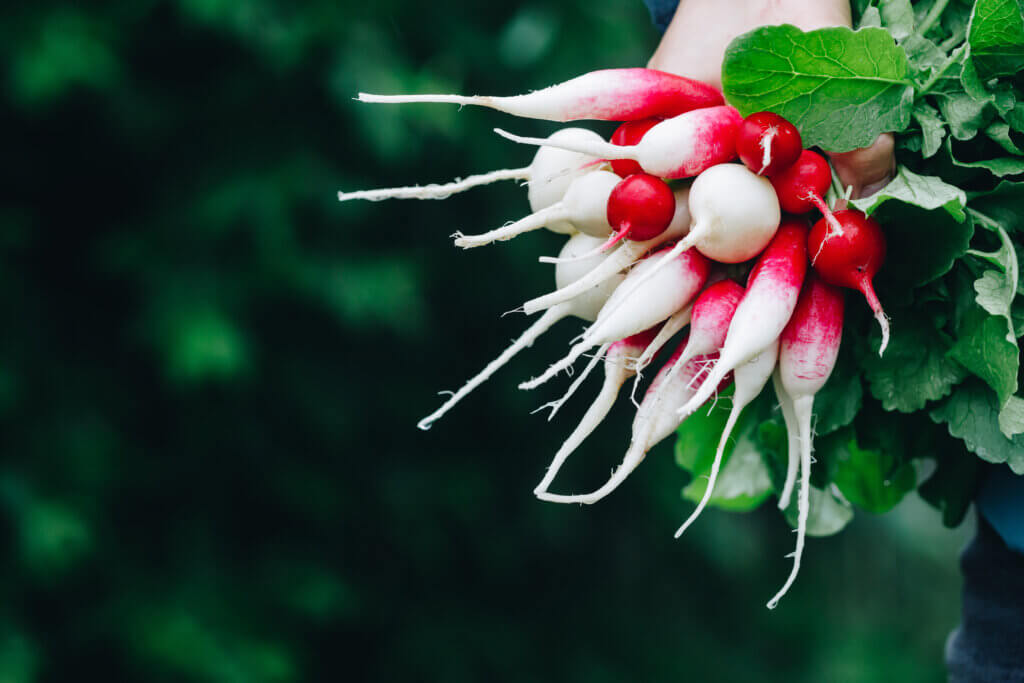
Sprouts, cress & radishes
Few foods are as synonymous with movement as fresh sprouts. They help to relieve stagnation – a key issue in our stressful times. Liver Qi stagnation in particular is widespread, often triggered by constant stress and high pressure to perform in combination with our Western eating habits, which contain a lot of sugar, white flour or too many dairy products. Typical signs are PMS, menstrual pain, headaches, teeth grinding or depressive moods. Fresh sprouts, cress or radishes – ideally sprinkled freshly over your meal every day – are a simple but highly effective support, especially in spring.
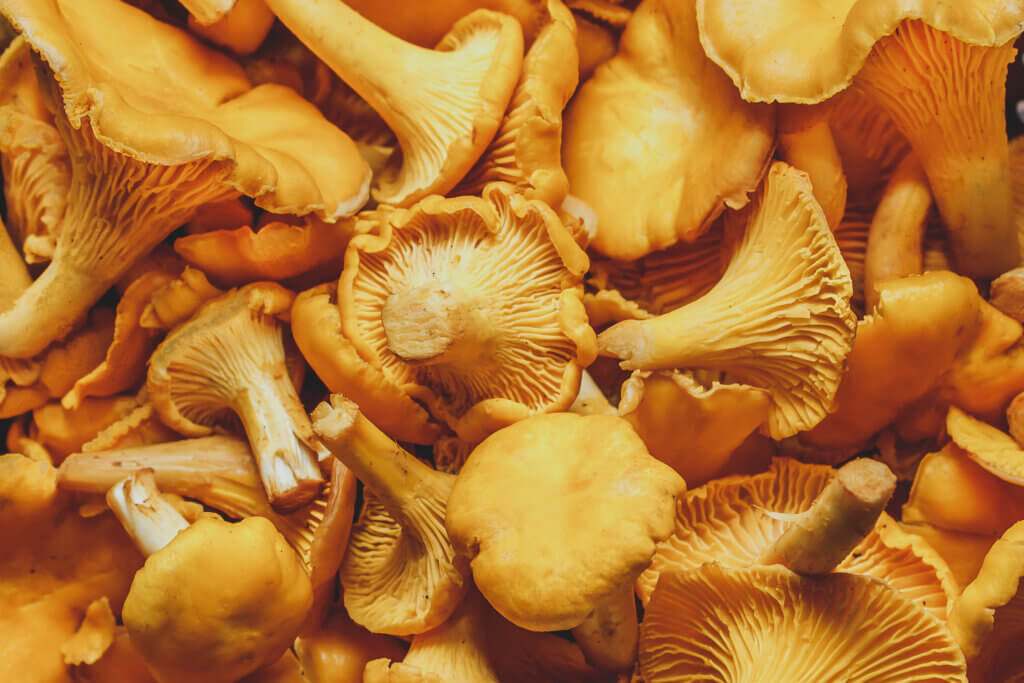
Mushrooms
Mushrooms are real all-rounders. They support the formation of blood and body juices, strengthen digestion, cool excess heat and help to transform mucus. This makes them amazingly versatile: for heartburn and gastritis as well as for dry coughs, dry skin, exhaustion or slimy colds.
Mushrooms also add substance and depth to the diet when energy levels are low or during periods of increased stress – both in culinary and energetic terms.
Quinoa
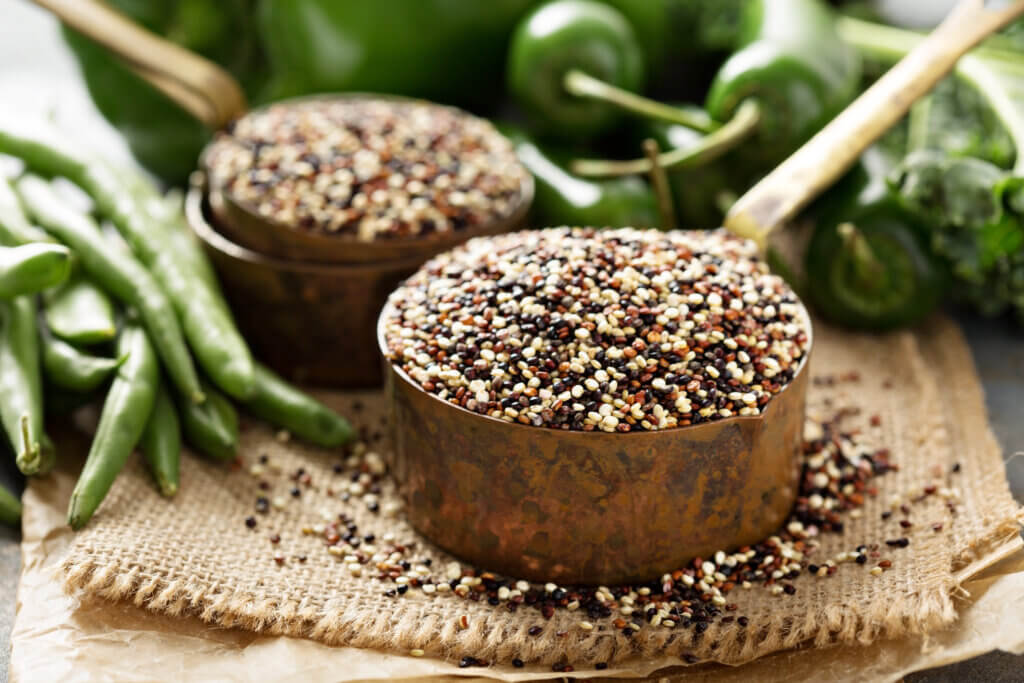
The gluten-free pseudo-grain strengthens the center and nourishes the kidney yin – a resource that is particularly important for women after giving birth or during the menopause. In TCM, quinoa is also recommended for so-called stomach heat, such as heartburn, bleeding gums or inflammatory gastritis.
Practical in everyday life: quinoa can be mixed wonderfully with rice, served as a warm vegetable dish or made into succulent patties.
Fresh, aromatic herbs
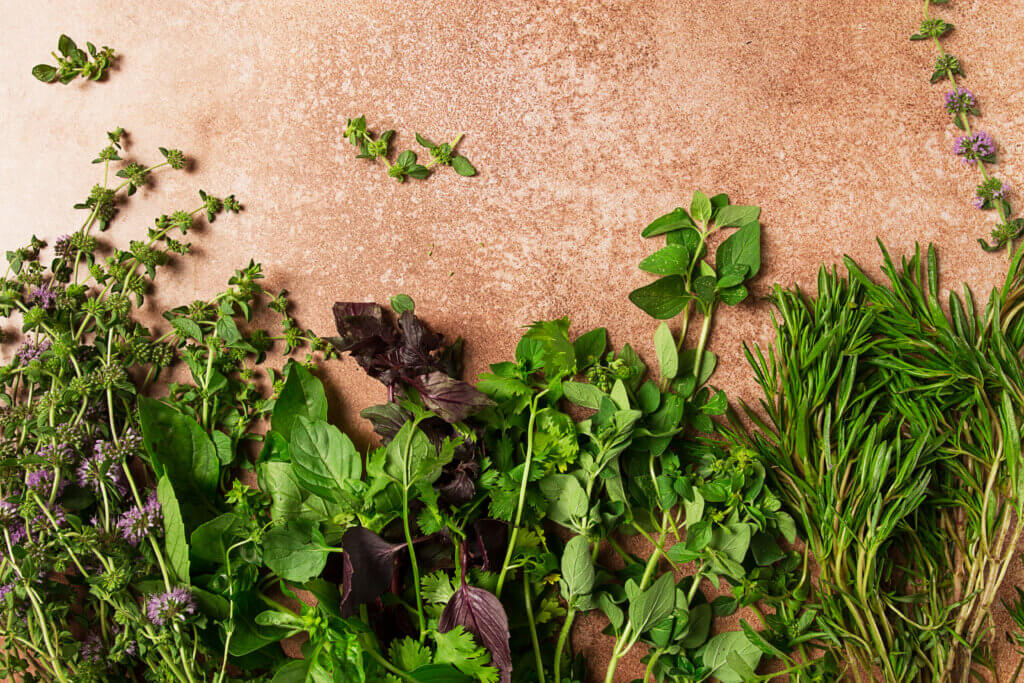
Parsley, dill, basil, marjoram and oregano are far more than just decoration. They gently move the Qi, counteract congestion and support blood formation. In TCM, they are used specifically to take the heaviness out of meals and increase digestibility.
It is best to sprinkle them freshly over your food every day – a small gesture with a big effect that combines enjoyment and health.
Carrots & other root vegetables
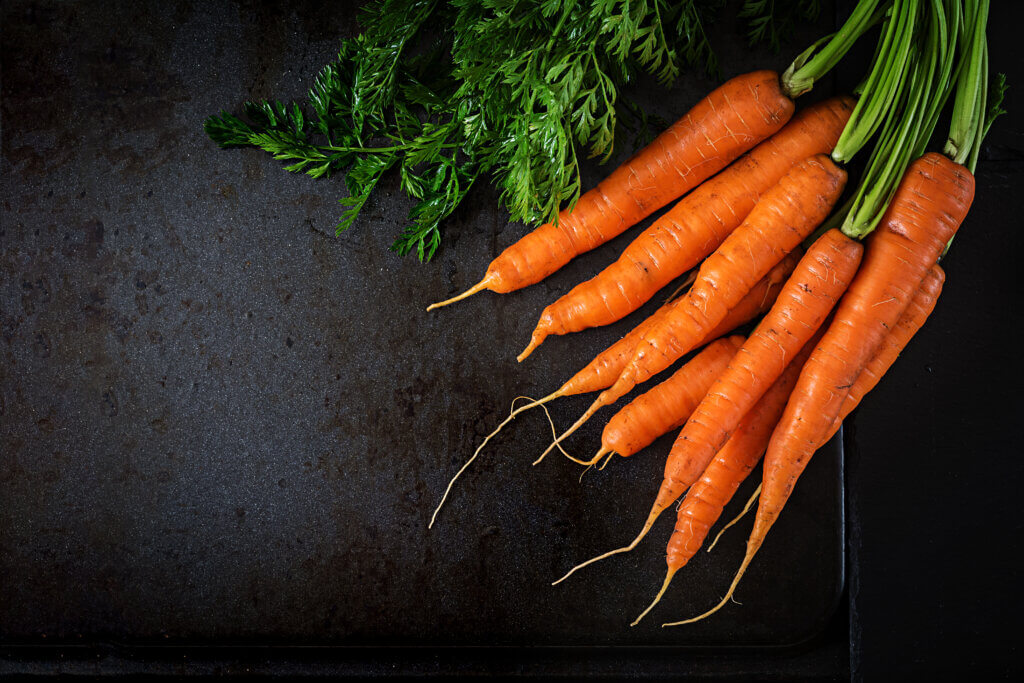
Carrots, celeriac or parsley root strengthen digestion, promote the production of juices and are suitable for all ages. They are particularly ideal for children – but cooked, not raw. Their naturally sweet taste makes them popular and easy to accept, while at the same time stabilizing and nourishing.
In TCM, root vegetables stand for grounding – and that is exactly what many of us need more than ever in 2026.
Competition
Answer our competition question, sign up for the newsletter and with a bit of luck you could win a 1:1 TCM consultation with Ruth Unger worth € 149.
The consultation includes:
- Detailed anamnesis (discussion of previous eating habits, digestion, sleep, cycle, emotions and constitution), tongue analysis and pulse analysis
- Evaluation according to TCM criteria: Recognition of disharmony patterns such as heat, cold, Qi or blood deficiency, dampness, etc. & classification in the five-element theory
- Individual nutrition concept (incl. foods and drinks to be avoided or recommended), recipe ideas and recipes
Duration: approx. 60-90 minutes, in the practice or online
Our expert

Ruth Unger is a qualified TCM nutritionist. Her company food:wise stands for a smart, mindful and individual way of eating – in harmony with the body, life circumstances and the inner center.
Website: www.foodwise-tcm.at
Related posts:
Fridge detox: 10 ingredients for a healthy home