
Either the good intentions for 2026 are already working amazingly well – or they urgently need an update: the festive season has long since passed, everyday life is back to full speed, and that’s exactly why we’re in danger of falling back into old routines. The fridge plays the main role in this, because every day it plays a part in deciding whether we reach for something nourishing quickly – or fall back into the convenience trap. What’s at the front gets eaten. What disappears at the back is forgotten. And this is where the silent difference between “I actually wanted to” and “I’m really going to” lies.
To ensure that the new start doesn’t just happen on paper, we asked Ruth Unger, nutrition expert for Traditional Chinese Medicine (TCM), what belongs in a healthy fridge – and what not. Her perspective is pleasantly suitable for everyday use: a healthy fridge is not a strict set of rules, but a smart basic set of equipment. By consciously sorting and stocking it sensibly now, you can build a practical, realistic bridge through the winter – light, invigorating and at just the right pace for this time of year.
Ms. Unger, what do you mean by a “fridge detox” – and what is actually relevant to health, beyond the trend?
For me, a fridge detox means consciously clearing out, cleaning and reorganizing the fridge. The focus is on removing expired or unused food, followed by a thorough clean – preferably with vinegar water. I then focus on fresh, nutrient-rich products. A fridge detox not only creates order and clarity, but also awakens a new desire for healthy, conscious eating.
If you were to open an average household fridge: What three things would you most often identify as “problem areas” – and why?
From the point of view of Chinese dietetics, there are usually three typical “problem areas”.
- Dairy products: Milk, yoghurt, cheese and similar products often take up a lot of space – and from a TCM perspective, they are among the most cooling and moisturizing foods. Many disharmonies caused by our modern eating habits are attributed in TCM to regular, excessive consumption of dairy products, among other things.
- Sausages and processed meat: Ham, salami, cold cuts or meatloaf – often pork-based – are considered highly moisturizing in TCM and are usually very high in fat. In TCM, they can promote the formation of “damp heat”, a pattern that is often associated with chronic stress or inflammatory processes in the West.
- Ready meals and microwave meals: These products may seem convenient, but from a TCM perspective they contain hardly any Qi – i.e. no nourishing energy.
Which foods do you think belong in a fridge that supports a truly healthy home – and which are completely overrated?
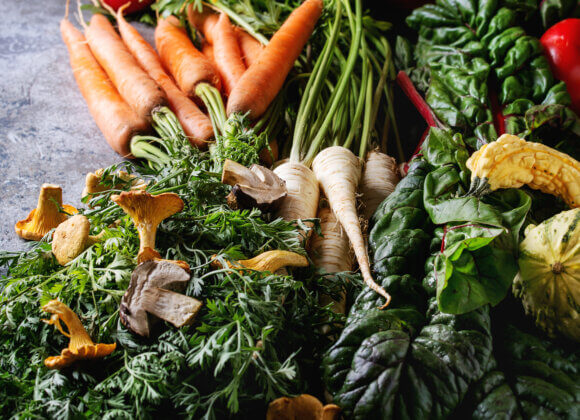
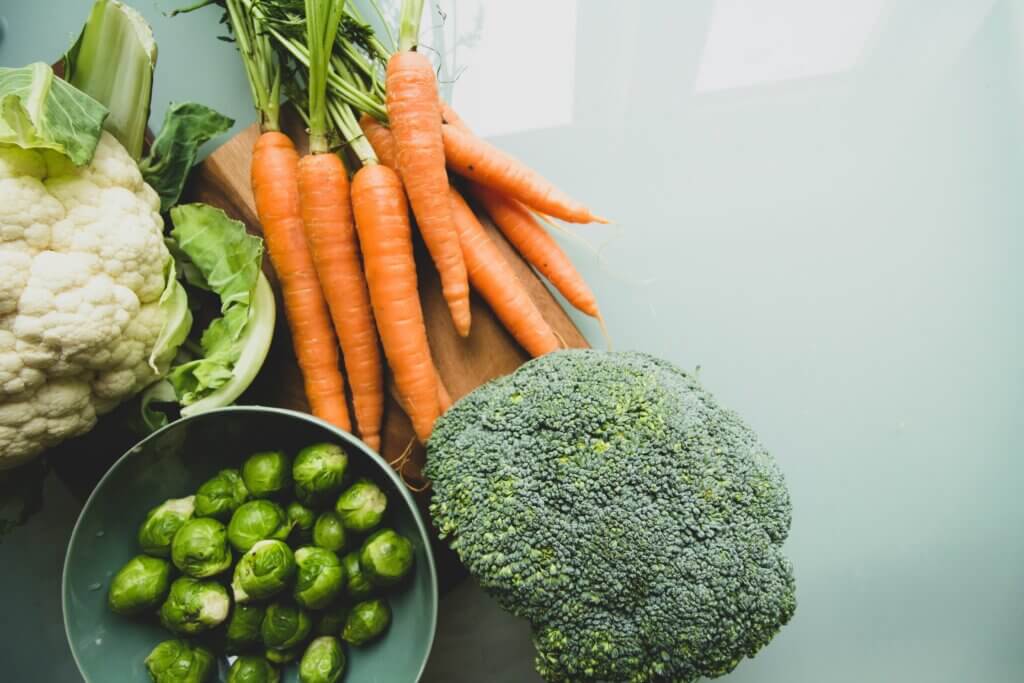
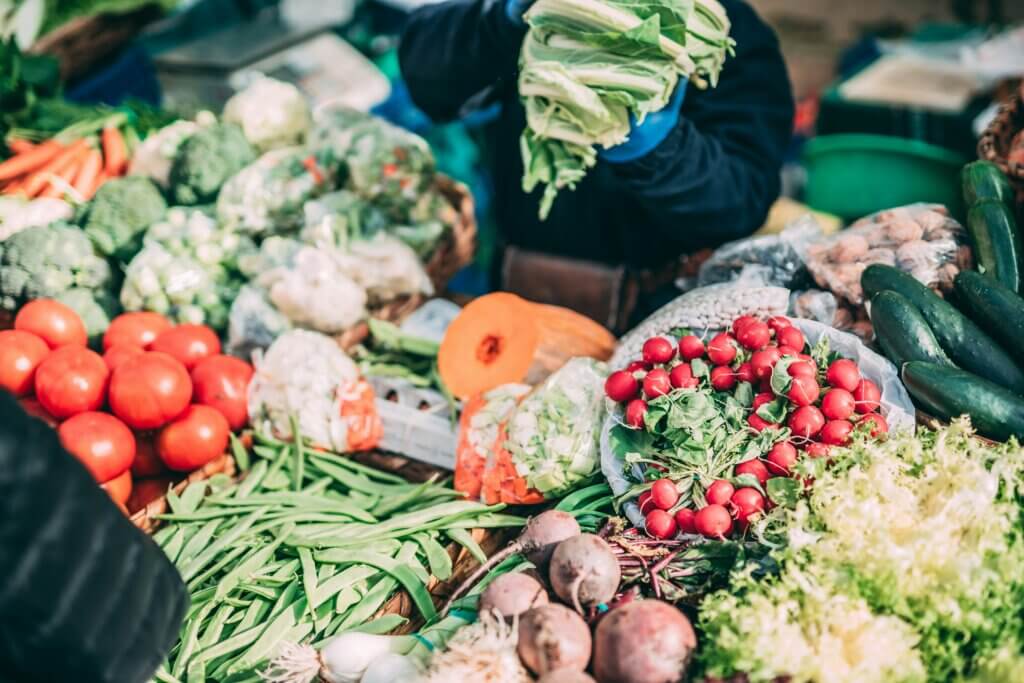
For me, a fridge that supports a really healthy home needs, above all, fresh organic vegetables – from carrots, zucchinis and peppers to mushrooms, broccoli and cauliflower to robust root vegetables root vegetables. Also eggs and high-quality fats such as organic butter and ghee have a fixed place in my diet. With these basic ingredients, countless healthy family dishes can be prepared spontaneously and in a variety of ways. Pre-cooked dishes such as soups, compotes or a portion of rice are also particularly important to me. They are a real lifesaver in everyday life: when things have to be done quickly, you can conjure up a warm, nourishing meal in just a few minutes – without stress and without sacrificing quality. On the other hand, I find products such as yogurts, ready-made spreads, packaged salads, juices, smoothies and light products completely overrated. They provide little energy and don’t fill you up for long.
How do you recognize quality at first glance? For basics like dairy products or spreads, are there clear criteria by which you would choose?
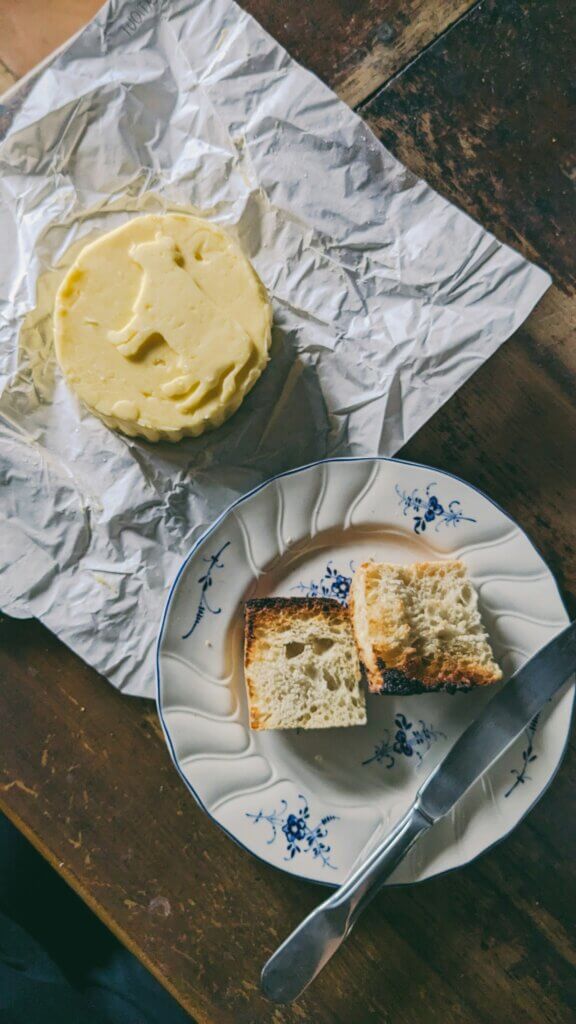
When it comes to the quality of food, you can tell at first glance whether many products are of high or low quality – when it comes to vegetables, for example, I am clearly guided by freshness – I prefer to buy my vegetables fresh at the weekly market. In my opinion, there are some clear quality criteria for typical everyday basics that you can use as a guide. Dairy products traditionally only play a subordinate role in TCM. They are considered to have a strong moisturizing effect and are used in a more targeted, therapeutic way – for example for heartburn, sore throats or in phases of physical weakness. I hardly ever use them in everyday life. When I do, I make sure they are of the best quality and only buy organic products from local producers.
And what about sausages or ready-made sauces?
I rarely choose sausages, and if I do, then only organic quality, ideally directly from the farm. We also only eat meat in small quantities. Here I pay particular attention to origin, animal welfare and regional production. I generally prefer organic quality for all food. For me, it is a reliable indicator of more careful production, lower levels of additives and, of course, better taste. With ready-made sauces, it’s worth taking a closer look at the list of ingredients: Many contain sugar, vinegar, stabilizers or artificial flavourings – additives that, from a TCM perspective, can promote the development of dampness and mucus. That’s why I prefer to make my own dressings, for example using tahini (sesame butter) and tamari (gluten-free soy sauce). It’s quick, tastes fresh and gives me complete control over the ingredients.
Many fridges are full, but we still rarely cook fresh food. What role do habits play in this? And how can we practically break this cycle?
The increasing time pressure in all social classes and age groups – especially the multiple burdens on mothers due to work, household and childcare – unfortunately encourages the trend towards ready meals, raw food, frozen products and microwave meals. The result: although many fridges are full, fresh food is rarely cooked. Habits play a key role here: we usually reach for what we are familiar with, what is quick and what is already available in the fridge. In my opinion, radical changes are not necessary to break this cycle – small but effective changes in everyday life are often enough. One key point is to place healthy food in the fridge in a visible and easily accessible place. This automatically makes you reach for fresh, nutrient-rich alternatives more often.
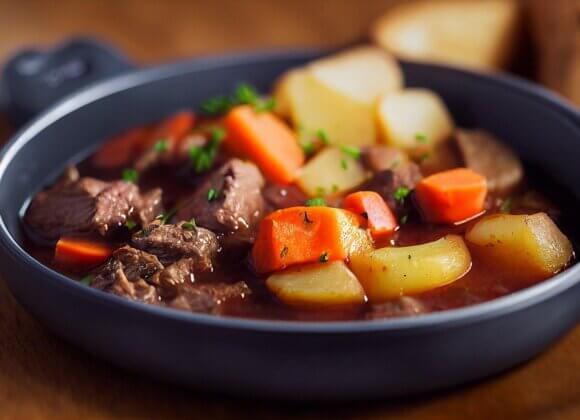
Pre-cooked, healthy meals (meal prep) such as soups, rice or millet, compotes or stews are particularly helpful. If these are to hand, a healthy meal can be prepared quickly even in hectic moments – without any ready-made products. At the same time, it is worth consciously reducing or, ideally, eliminating energy-sapping foods such as ready meals or microwave meals. Those who are also aware of how much influence healthy eating has on well-being, energy levels and disease prevention can more easily break the cycle of convenience and convenience foods. It is often the small, consistent steps that make the biggest difference in the long term.
What are typical “sugar traps” in the fridge – i.e. products that appear healthy but are not?
Typical sugar traps in the fridge include: Fruit yogurts and protein yogurts, which quickly become high in calories due to added sugar. Smoothies and puddings – including soy-based ones – often contain high amounts of sugar or sweeteners. Ready-made salad dressings, sauces and ketchup that contain hidden added sugar. Ready-made porridge mixes and light products that replace sugar with sweeteners but still keep the taste very sweet. Flavored plant milks, which often contain added sugar. If you want to keep an eye on the sugar content, you should therefore check the list of ingredients or use home-made alternatives.
How important is correct storage for nutrients and shelf life: which foods lose quality most quickly in the wrong compartment?
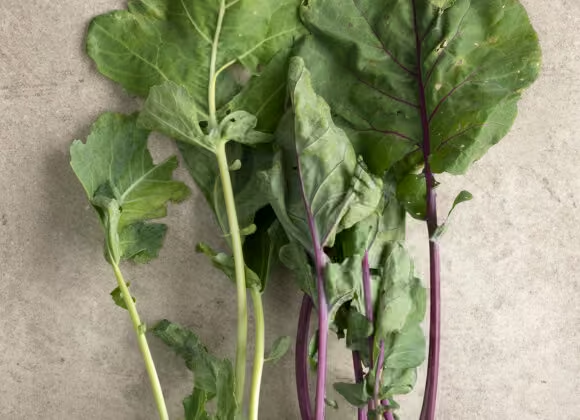
Correct storage is a decisive factor in how quickly food loses its nutrients, freshness and taste. Some products, such as leafy vegetables – for example spinach or chard – are particularly sensitive to temperature and humidity. They are best stored in the vegetable compartment, which offers high humidity and moderate cooling. Nevertheless, leafy vegetables should not be kept in the fridge for too long in order to preserve their quality. Less sensitive storage vegetables such as beet, celeriac or cabbage, on the other hand, can be kept for longer in the lower vegetable drawer and often last for several weeks.
Meat should always be stored separately from vegetables and in the coldest compartment. This ensures hygienic storage and minimizes bacterial growth. I also sort different types of vegetables – including carrots, root vegetables, mushrooms and leafy vegetables – into separate organizers to keep the fridge tidy and organized.
Detox is often also about cutting things out. Which ingredients or product groups would you prefer to reduce individually – and which would you consider to be unnecessary or even counterproductive to cut out radically?
From my point of view and from the perspective of TCM, the following foods should be reduced: Dairy products such as milk, cream cheese, curd cheese, cottage cheese, mozzarella and yogurts, as they have a strong moistening effect. Sausages. Instead of sausages, a high-quality piece of organic meat such as beef or chicken should be preferred. Syrups and fruit juices, which I usually replace with (warm) water or tea. Fats such as butter, fresh vegetables and animal protein in the form of eggs should not be radically eliminated. From a TCM perspective, these foods provide valuable energy and support a healthy diet.
If someone has little time and still wants to eat better: What could a realistic, healthy fridge “basic stock” for a working week look like?
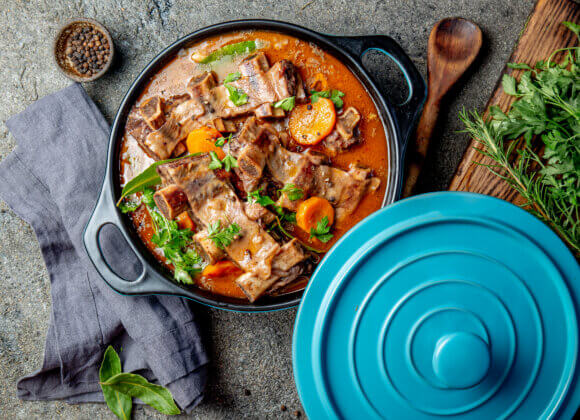
In my opinion, the fridge should ideally be stocked with pre-cooked food. This includes, for example, bottled vegetable stock and creamy vegetable soups such as zucchini, cauliflower or sweet potato soup. Pre-cooked cereals such as basmati rice or quinoa, solid polenta, apple or pear compotes and steamed vegetables for soup ensure that you always have a healthy base for meals to hand.
You should also have eggs and butter in the fridge so that you can prepare an omelette for breakfast in no time at all. Fresh vegetables such as mushrooms, zucchinis and leafy greens such as spinach or chard, supplemented with sprouts and fresh herbs, are also ideal for quick, healthy meals. With this preparation, you always have the option of preparing nutritious, home-cooked meals without having to resort to ready-made products.
What small, everyday routines do you recommend to keep the fridge healthy in the long term – i.e. not just “detoxing” once, but shopping and eating better in the long term?
A weekly meal plan has proved very useful in our home. It makes planning easier, makes shopping more efficient and prevents impulse purchases, which are often unhealthy. Instead of going shopping every day, we do a larger purchase once a week – based on a shopping list we have drawn up beforehand. Before putting the groceries in the fridge, it’s worth doing a mini detox: sort out expired or spoiled food, put leftovers at the front and clean the compartments with a damp cloth. When putting food away, we make sure to put the older products with an earlier expiration date at the front and the new ones at the back. This saves money and prevents food from spoiling unnecessarily. At the end of the week, we often have a “leftovers meal”. Anything left over is creatively processed into new dishes. This means less food is thrown away and surprisingly great combinations are often created.
At a glance: 10 ingredients for a healthy fridge
- Carrots
- Zucchini
- Paprika
- Mushrooms
- Broccoli
- Cauliflower
- Root vegetables
- Eggs
- Organic butter
- Ghee
Our expert

Ruth Unger is a qualified TCM nutritionist. Her company food:wise stands for a smart, mindful and individual way of eating – in harmony with the body, life circumstances and the inner center.
Website: foodwise-tcm.at
Related posts:
Beauty from the kitchen: curd cheese, oatmeal and co
Summer bowls: more than just a food trend!
The green moment – how to make the perfect matcha