

Colds, coughs and sore throats are in high season, the flu epidemic is rolling in – a strong immune system is worth its weight in gold right now. Here are five tips to help you strengthen your immune system and prevent colds and flu.
Tip 1: Eat healthily – these foods are good for the immune system
It’s hard to believe: the gut is not only important for digestion, but is also the body’s largest and most important immune organ. Around 80 percent of immune cells are located here. In order for them to work well, however, they need the right environment, i.e. healthy intestinal flora.
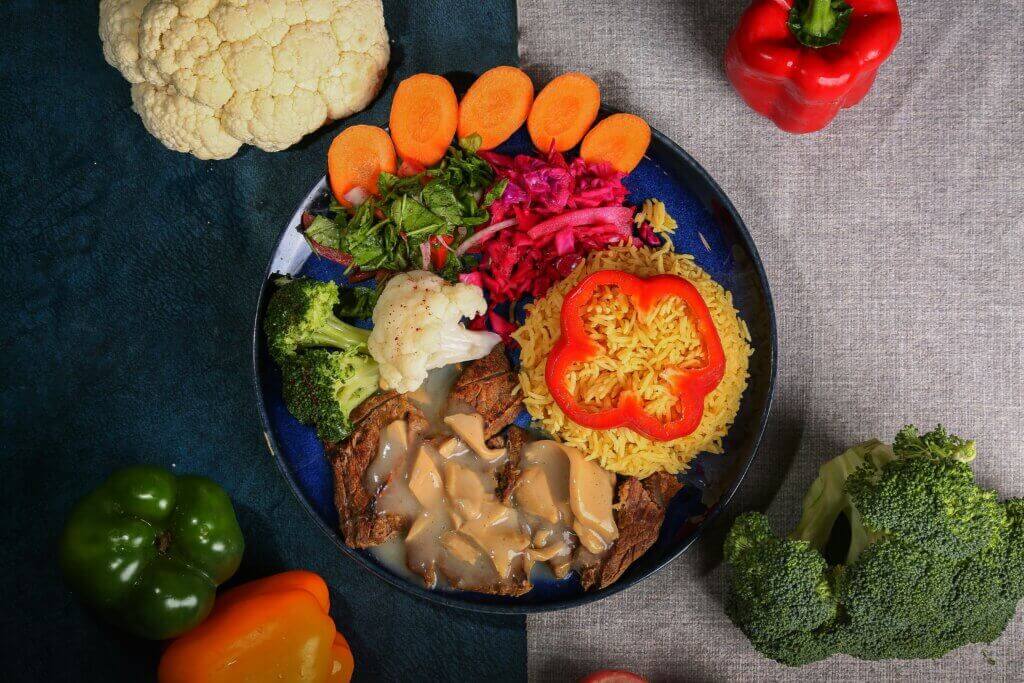
The key to this lies in a healthy, balanced diet, as this promotes beneficial intestinal bacteria. Especially during the cold season, include more fresh fruit and vegetables such as red peppers, cabbage sprouts, broccoli, carrots, pumpkin, garlic, onions or blackcurrants, oranges and ginger in your diet. These are rich in vitamins, phytochemicals, minerals and trace elements. Pulses, cereals and nuts provide vegetable protein, while rapeseed, olive and linseed oil provide unsaturated fatty acids.
Tip 2: Bring movement into your life!
Exercise is a blessing – this also applies to the immune system. So overcome your inner couch potato and get moving. Regular endurance sport is particularly effective – it not only strengthens the muscles and the cardiovascular system, but also boosts the immune system. This is particularly true of exercise in the fresh air. Not least because the body can also stock up on vitamin D, which also plays an important role in strengthening the body’s own immune system.
Speaking of vitamin D: this is hardly found in food, but the body can produce it itself in sunshine, as mentioned. However, given the low amount of sunshine in winter, many people – studies estimate that up to 40 percent of Europeans – suffer from a vitamin D deficiency in winter. In view of this, vitamin D supplementation may well be worthwhile in consultation with your GP.

Tip 3: Relax!
Stress is exhausting, and this also applies to the immune system. If you are constantly tense and under stress, you produce a lot of cortisol, which in turn inhibits the immune system. Therefore, shift down a gear more often and take a break. Relaxing with friends, reading a good book or using relaxation techniques can help you to calm down.
Tip 4: Get a good night’s sleep!
Rest is not only important during the day, but also at night. Studies show that the risk of illness demonstrably increases with decreasing sleep duration. This is because sleep also promotes the production of important immune cells such as T cells and increases their activity. Less than seven hours of sleep increases the risk of infections such as colds, as a lack of sleep impairs the function of T cells and promotes inflammatory processes, making it harder for the body to defend itself against viruses. Good sleep is therefore a fundamental measure to keep the body’s own defenses fit.
Tip 5: Sauna sessions for a strong immune system
In Scandinavia in particular, saunas are considered a panacea for health. Among other things, they are said to strengthen the cardiovascular system, reduce the risk of high blood pressure – and strengthen the immune system. This is because the heat causes the body to sweat, similar to a fever, and at the same time improves blood circulation. Pathogens don’t stand a chance with regular sauna sessions. Some people also swear by contrast showers to boost the immune system: However, their effect on strengthening the immune system has not been sufficiently scientifically proven.
Related posts:
Running for beginners – how to get off to the right start
Healthy nutrition increases performance