
Protein has long since ceased to be a bodybuilder’s topic and is now part of modern everyday cuisine. But how much protein really makes sense, which sources fit into a modern diet – and where does the marketing begin? Personal trainer and nutrition expert Alfredo Scarlata(mypersonaltrainer.at) classifies the trend, dispels myths and shows how “high protein” works in a relaxed way from breakfast to dinner.
Our goodie for you: At the end of the article you have the chance to win a longevity coaching session with Alfredo Scalarta worth € 499.
Nowadays, high protein is almost everywhere: on supermarket shelves, on café menus, in private kitchens. What used to sound like a shaker and weight bench is now a completely normal part of many eating habits. “Protein has simply become part of everyday life,” says Alfredo Scarlata, who, as a personal trainer, also deals extensively with the topic of proper nutrition. “It used to be a bodybuilder issue, but now it’s more of a health issue because the products are now available everywhere. And many people notice for themselves: You stay fuller for longer, you feel more stable. You can see this in my nutrition plans – skyr with oats is quick to make and provides a lot of protein.”
So the trend is not just about lifestyle, but about tangible effects: Satiety, stability in the energy balance and a kitchen that “can do more” in just a few simple steps.
How much protein does the body really need?
The classic reference values have long been around 0.8 grams of protein per kilogram of body weight per day. This is still considered the minimum – but no longer adequately reflects the needs of many people, especially when the focus is on activity, muscle building or healthy ageing. Scarlata puts it like this: “0.8 g is really only the minimum. Many people feel much better with 1.2 to 1.6 g – especially as they get older or do strength training.”
This is within the range of what recent studies consider sensible for active adults and older people: around 1.0 to 1.6 g/kg – depending on age, training status and goal. The decisive factor is not the sporting extreme, but a realistic daily structure.
Muscle and bone preservation: the most visible effect
Protein is a building material – not only for muscles, but for practically all body structures. Especially in old age, sufficient protein becomes the basis for stability, mobility and performance. Alfredo observes very specific differences in his customers’ everyday lives: “It’s quite clear – those who eat more protein build muscle faster and more effectively. You can see that clearly. I regularly carry out body analyses with my customers – you can tell immediately who is eating enough protein. People who pay attention to this lose less muscle when losing weight or build up better. Their everyday life becomes easier, their posture improves and they have fewer complaints. It really makes a difference.”
Saturation, blood sugar, regeneration – and what is overestimated
Studies have repeatedly associated protein-rich meals with a greater feeling of satiety, a smoother blood sugar curve and an increased thermic effect – in other words, with the fact that the body uses slightly more energy when digesting protein. However, daily practice shows that not all of these effects are equally significant.
“Satiety is a huge issue. Many people automatically stop snacking. Blood sugar remains more stable. Muscle soreness is less, regeneration better. The supposed ‘metabolism boost’ is often somewhat exaggerated. The real advantage is rather this structured, regular eating.”
The bottom line is that if you distribute protein wisely throughout the day, you will eat less often between meals and eat more regularly and in a more structured way overall – and it is precisely this new eating order that noticeably stabilizes weight and energy levels.
Is high protein automatically low carb?
The short answer is no – and this is precisely where some of the most persistent misconceptions about high-protein diets persist. Alfredo Scarlata sees time and again in his customers’ everyday lives that high protein is often mistakenly equated with cutting out carbohydrates. “No. Not at all. Many of my dishes have both. Lentil or chickpea noodles, rice dishes, bowls. Carbs are important – especially when you’re training.”
High protein therefore does not mean cutting out carbohydrates, but rather supplementing protein more consciously. People who exercise regularly in particular need carbs as a reliable source of energy – and even without exercise, the body benefits from a balanced combination of proteins, carbohydrates and good fats.
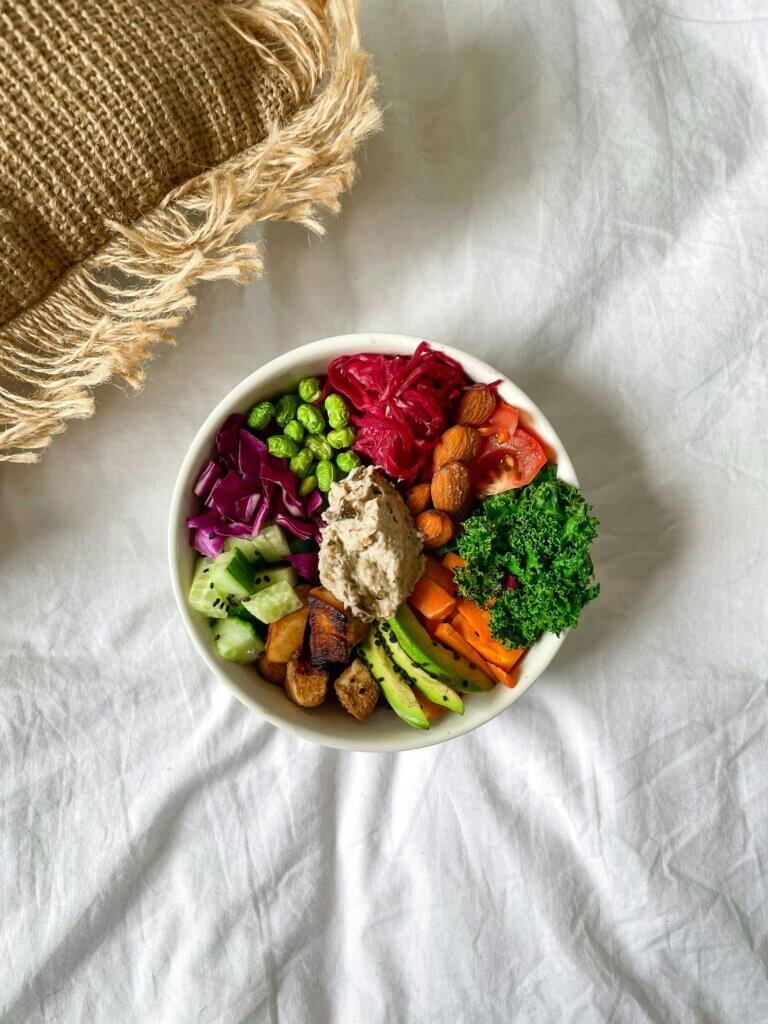
Balance instead of extremes: how high protein stays healthy
Protein supports fat loss and muscle mass – but only if it doesn’t become a dogma. Scarlata recommends a simple, everyday approach to calorie intake: “Simply include protein, but don’t go to extremes. Around 20-25% of your daily calories is enough. And yes: high protein really doesn’t have to be low carb. Skyr in the morning, tofu or chickpea bowls for lunch, and something with beans or chili in the evening – that’s a good basis.”
The goal is not maximization, but regularity. Protein should enhance meals – not replace other foods.
Animal, plant-based – and why variety also wins with high-protein
High-quality protein sources provide essential amino acids. Animal protein sources (eggs, dairy products, poultry, fish) are considered “complete”, many plant-based sources must be combined. This works excellently in everyday life – if you think colorfully.
Scarlata: “I’m not dogmatic about it at all. Everyone should eat the way that suits them – health-wise, morally, ecologically. I eat very little meat and fish myself because it feels right to me. I mainly get my protein from plant-based foods and dairy products such as skyr, cottage cheese and cottage cheese. Beans, lentils, tofu, tempeh, edamame – these are my basics. Often simple combinations such as rice with beans, quinoa with chickpeas, tofu and edamame. Works great in everyday life.”
These combinations in particular improve the biological value of plant proteins – and add variety to the cuisine.
High-protein products: useful or just well packaged?
Skyr, bars, shakes, “protein” snacks: the market is booming. However, the benefits depend heavily on the product and everyday life. Scarlata makes a clear distinction between basics and mere trend labels: “Skyr, cottage cheese, cottage cheese, tofu – yes, they have real benefits. Shakes are practical when you need something quick. Many protein cookies or protein ice cream, on the other hand, are more like marketing. You can eat them, sure, but you don’t need them.”
The rule of thumb: the closer to the food, the more sensible. Highly processed products are not a must – at most an option.
Upper limits: How much is too much?
Many people today eat significantly more protein than in the past. This is usually not a problem for healthy adults – but at some point it becomes one-sided. “Most people do well with 1.2-1.8 g/kg. Over 2.2 g/kg doesn’t make sense for most people. Then it becomes rather one-sided. For healthy people, high amounts of protein are not a problem for the kidneys – this is often misrepresented. But too much simply displaces other important foods.” The decisive factor is therefore not fear of protein, but the prevention of “nutrient monocultures”.
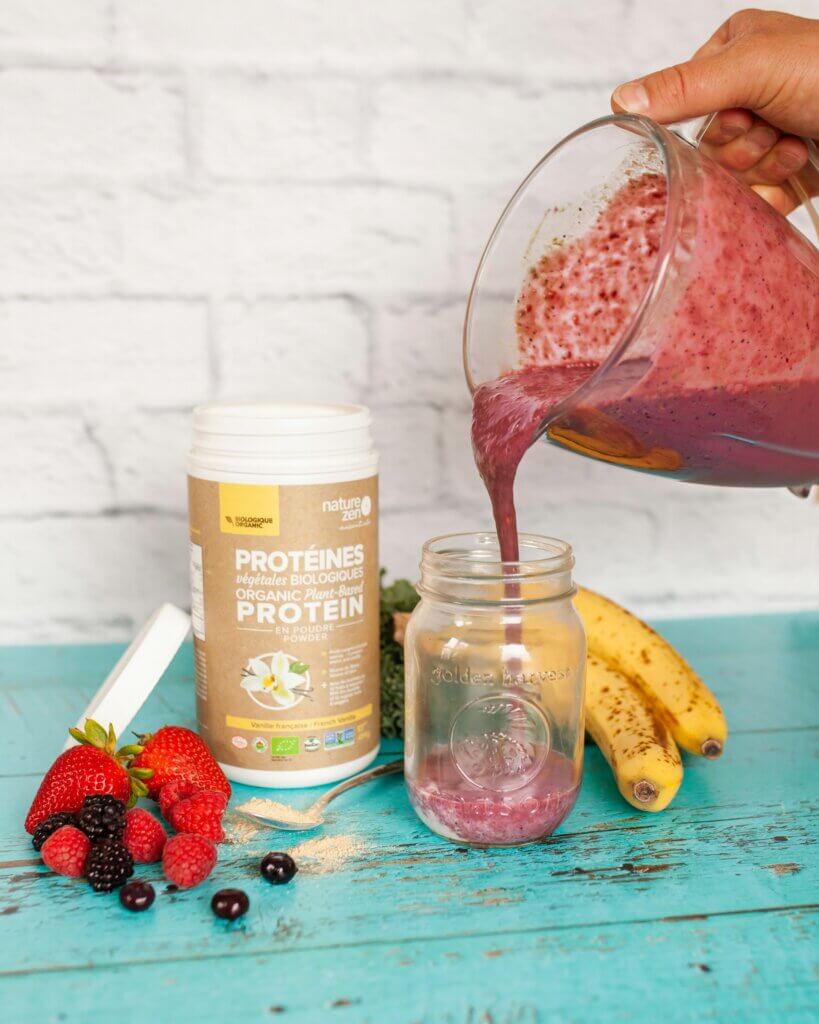
A balanced high-protein day – without any show
What does high protein look like if you really want to live it? Not as a challenge, but as a kitchen routine? Scarlata describes a day that fills you up, is suitable for training and is dogma-free:
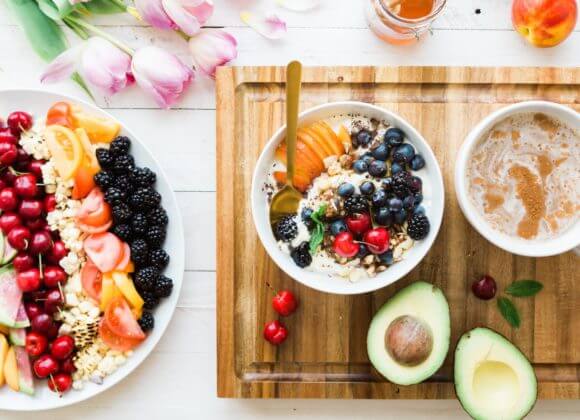
Breakfast: Skyr with oat flakes and berries (fills you up for a long time).
Lunch: Bowl with chickpeas, quinoa, tofu – all together quite a lot of protein.
Snack: Cottage cheese or shake and fruit.
Evening: High-protein chili with beans and some cottage cheese.
“This is what my customers eat on many training days – it works well, tastes good and keeps them full for a long time.” This is where the trend becomes a real help in everyday life: not about “more”, but about “better distributed”.
5 FAQs on the topic of high protein
How much protein does the body really need in everyday life?
The long-quoted minimum recommendation of 0.8 grams of protein per kilogram of body weight per day is still regarded as the basic value – but it only covers the physiological minimum. Today, 1.0 to 1.6 grams per kilogram are often recommended for active adults, people in strength training or for healthy ageing. Many people feel more efficient in this range, feel fuller for longer and have a more stable energy balance. The decisive factor is not so much an extreme value as a sensible distribution throughout the day.
What are the specific benefits of a high-protein diet?
Protein is a building material for muscles, organs, enzymes and hormones. An increased intake supports muscle maintenance when losing weight, improves regeneration after training and ensures a significantly longer feeling of satiety. Studies also show a more stable blood sugar level after protein-rich meals. The often cited “metabolism boost” due to the higher thermal effect of protein does exist, but is less important in everyday life than the improved satiety and more structured meal planning.
Does high protein automatically mean low carb?
No. A high-protein diet is not synonymous with abstaining from carbohydrates. On the contrary: carbohydrates are an important source of energy, especially during sporting activity. High protein means consciously increasing the protein content – not cutting out other macronutrients. Lentil or chickpea noodles, rice dishes, bowls with quinoa or beans show that proteins and carbohydrates can be combined without any problems. It’s the balance that counts, not the omission.
Are animal or plant-based protein sources better?
Animal products such as eggs, dairy products, poultry or fish provide all the essential amino acids in a favorable composition. Plant sources such as beans, lentils, tofu, tempeh or chickpeas also contain valuable protein, but benefit from clever combinations – such as rice with beans or quinoa with pulses. A varied mix increases the biological value and makes the diet more varied. Dogmas are not necessary – the decisive factors are quality and regularity.
How useful are high-protein products from the supermarket?
Not every product with a “protein” label automatically provides added value. Natural foods such as skyr, cottage cheese, tofu or pulses provide high-quality protein without unnecessary additives. Protein shakes can be practical when you need to eat quickly. Heavily processed bars, cookies or ice cream, on the other hand, are often more marketing than necessity. As a rough guide, 20 to 25 percent of daily calories from protein is considered sufficient – much more than that and the diet quickly becomes one-sided without any additional benefit.
Our expert

Alfredo Scarlata is a sports scientist and personal trainer in Vienna. He specializes in functional training, prevention and performance enhancement, and also works as a longevity coach.
Website: https://www.mypersonaltrainer.at/
Competition: Longevity coaching
Answer the competition question, sign up for our newsletter and with a bit of luck you could win a Longevity Coaching session with Alfredo Scarlata in Vienna.
The coaching includes:
- Longevity Index (0-100): Your personal health and vitality score
- Biological age: comparison of your biological age with your actual age
- Cell health: analysis of your water balance and your body balance
- Individual report with clear recommendations on nutrition, training and regeneration
Value of the prize: € 499,-
Redeemable in Vienna, no cash redemption.
Good luck!
Related posts:
Beauty from the kitchen: curd cheese, oat flakes & co